We all know, even the youngest among us, that Lipscani, the heart of Bucharest's Old Town, was once teeming with all sorts of tailoring workshops. In fact, even now we can see a vestige of this craft in the bridal gown shops that still dot the Old Town from time to time.
Many try to forget this period and hide all memories from the socialist era, but not Andreea and Monica, the owners of the Papiota bar. They claim they remember that time fondly because they associate it more with childhood than with the harsh times of communism, so they wanted to create a venue that evokes this good part of the period.
The concept of a tailor shop-atelier bar was jointly conceived with architects Corvin Cristian and Vlad Vieru, who also oversaw the interior design.
Papiota is located on the second floor of the building at 43 Lipscani Street. On the ground floor, there is a bridal shop and nearby a tailor shop, so the space was perfectly chosen to put their concept into practice.
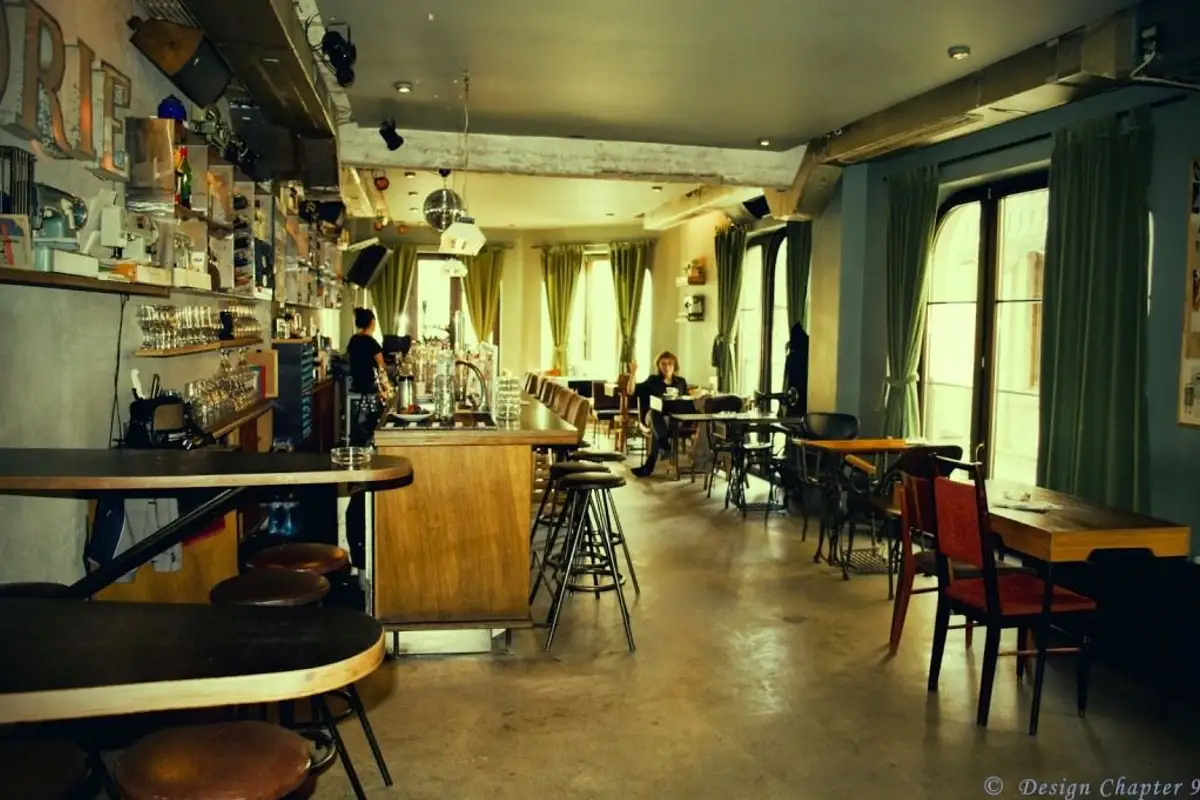
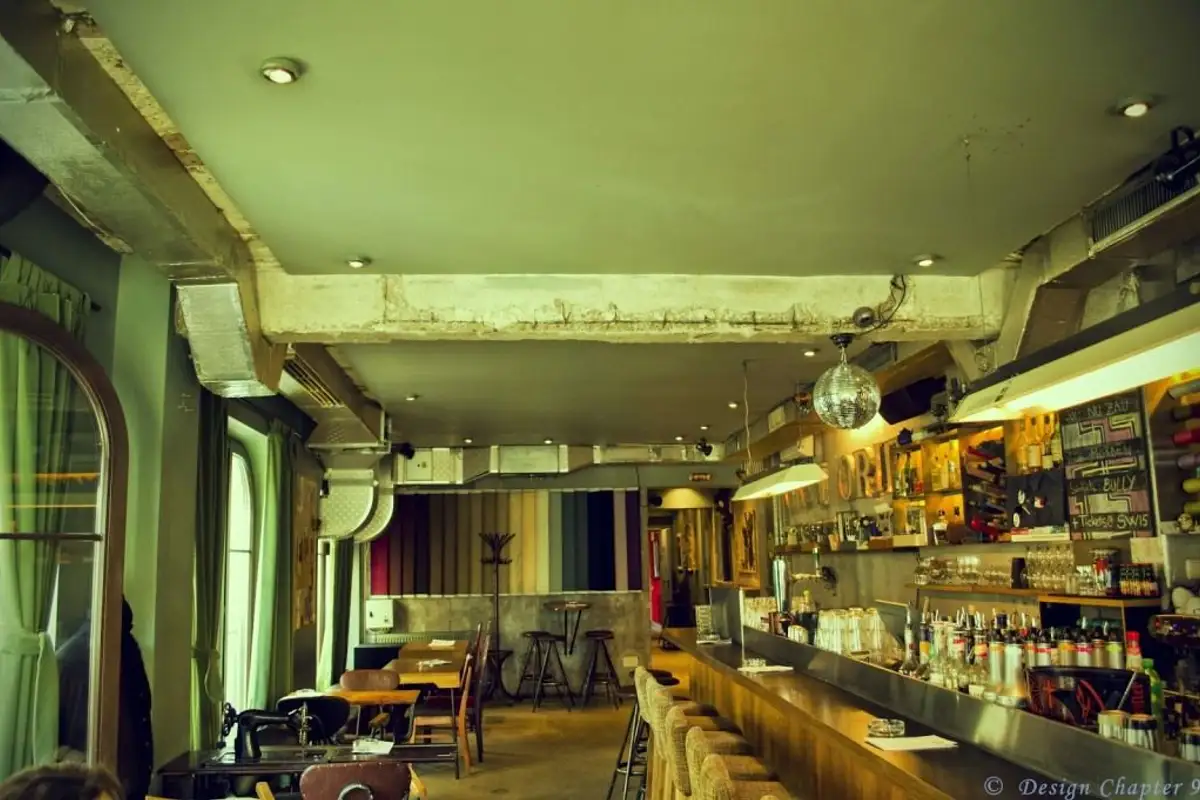
Upon entering, you are greeted by sewing tables and notice the space is long and filled with windows offering a wonderful view of the Old Town. However, the interior is not very bright, which enhances the charm of the tailoring atmosphere.
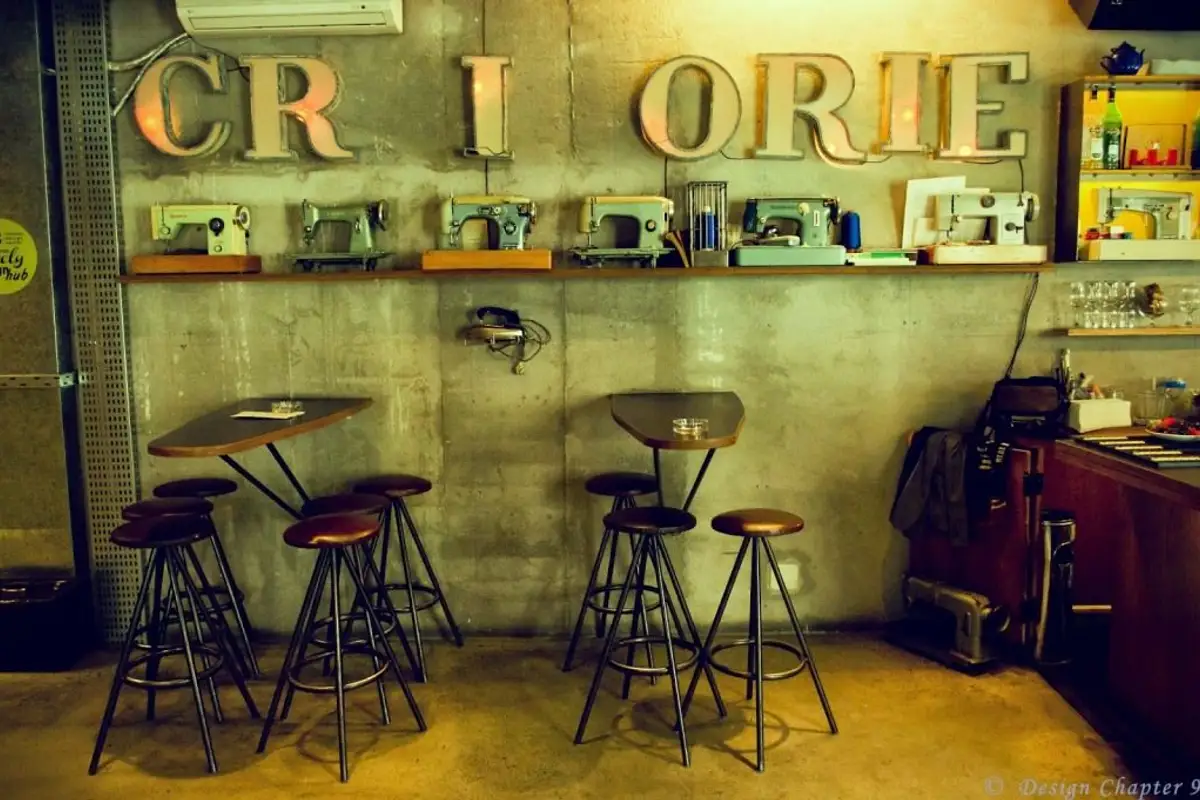
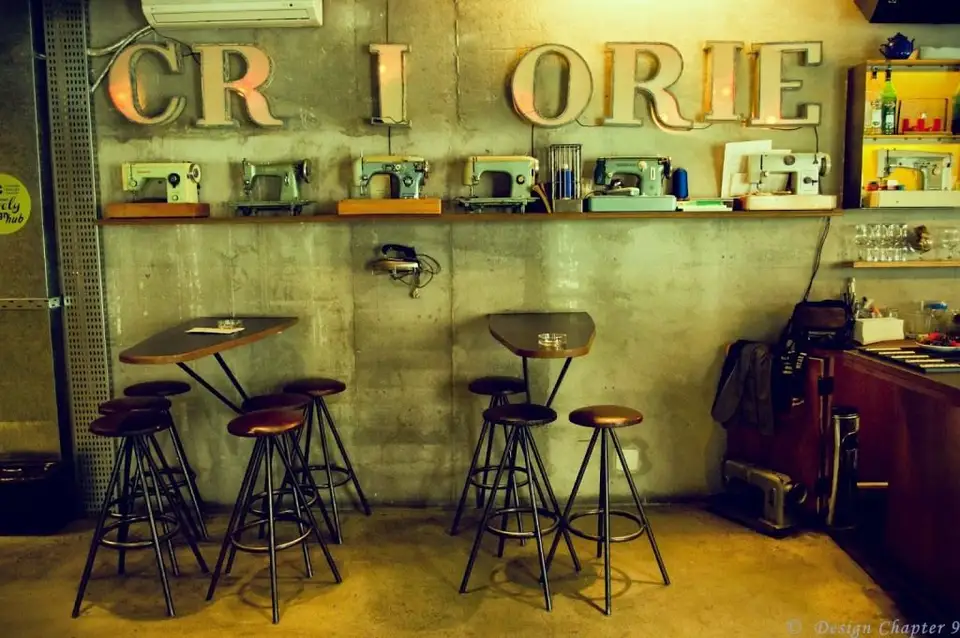
As you enter, on the left are a few ironing tables, and above them is mounted a faded sign from a communist tailor shop, missing a few letters. Below these letters, resting on a long shelf, sit several sewing machines.
It should be noted that some of the older pieces are personal objects belonging to the owners: Andreea brought a sewing machine from the 1960s, and Monica three armchairs from her grandmother's 1970s living room, an iron, and a plastic rotary phone.
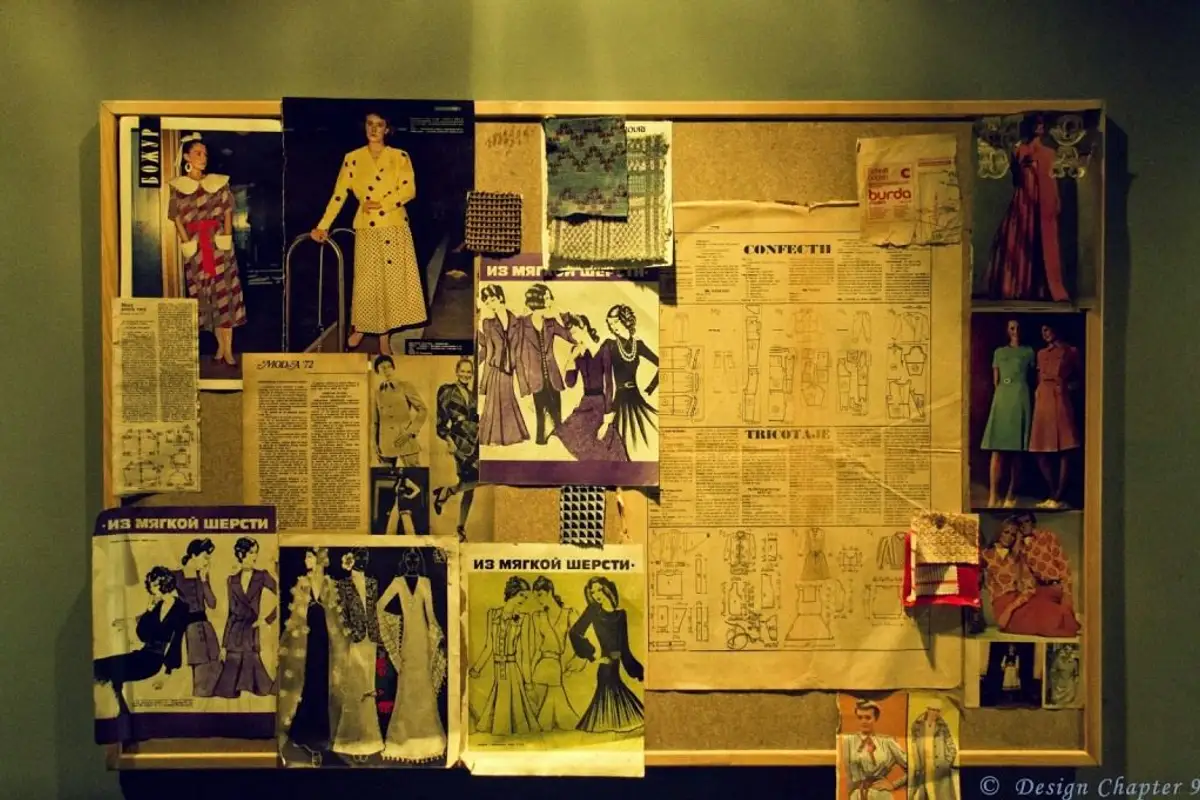
Another thing you immediately notice upon entering Papiota are the posters hung everywhere, referencing times gone by. They are created as collages from women's magazines, the very same magazines our mothers used to draw inspiration from. These collage pieces aren't just framed and hung here and there, but also stuck on the entrance door or incorporated into the menu.
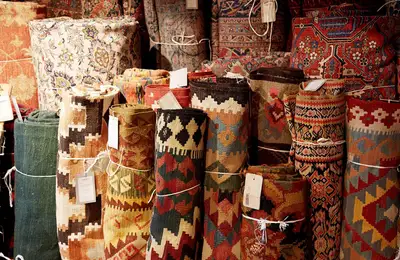
When it comes to wall decorations, I saw one of the most original designs at Papiota: plaques made from wood veneer covered in materials that mimic bales of fabrics used in a tailor's workshop.
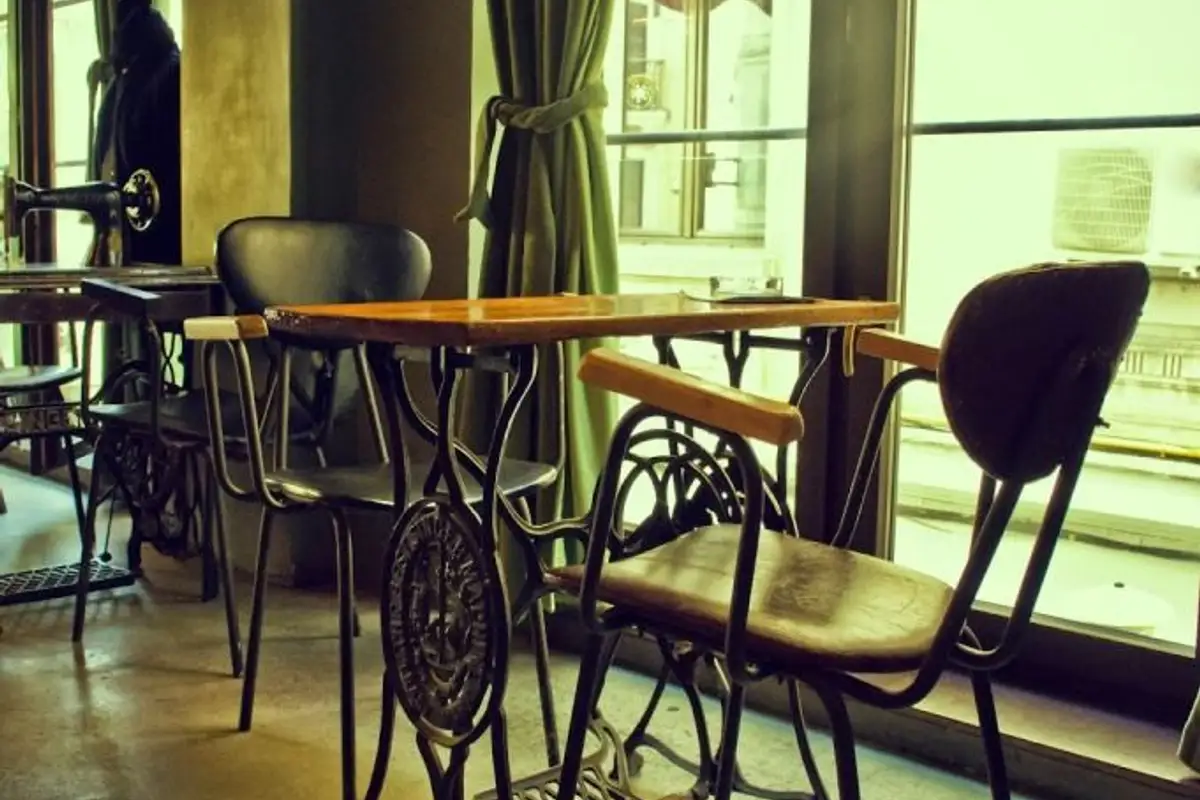
Regarding furniture, many of the tables are former sewing tables and the benches and one of the mannequins were purchased directly from a tailor on Doamnei Street. The chairs are either wooden, the kind everyone had in their homes during the communist period, or chairs typically used in tailoring workshops.
The bar stretches along the length of the space and is itself quite long, with several lanterns hanging in the back. The floor and walls are finished with exposed concrete to evoke some of the austere atmosphere of tailoring workshops, while the ceiling and pillars are painted a light green.
Photo source: