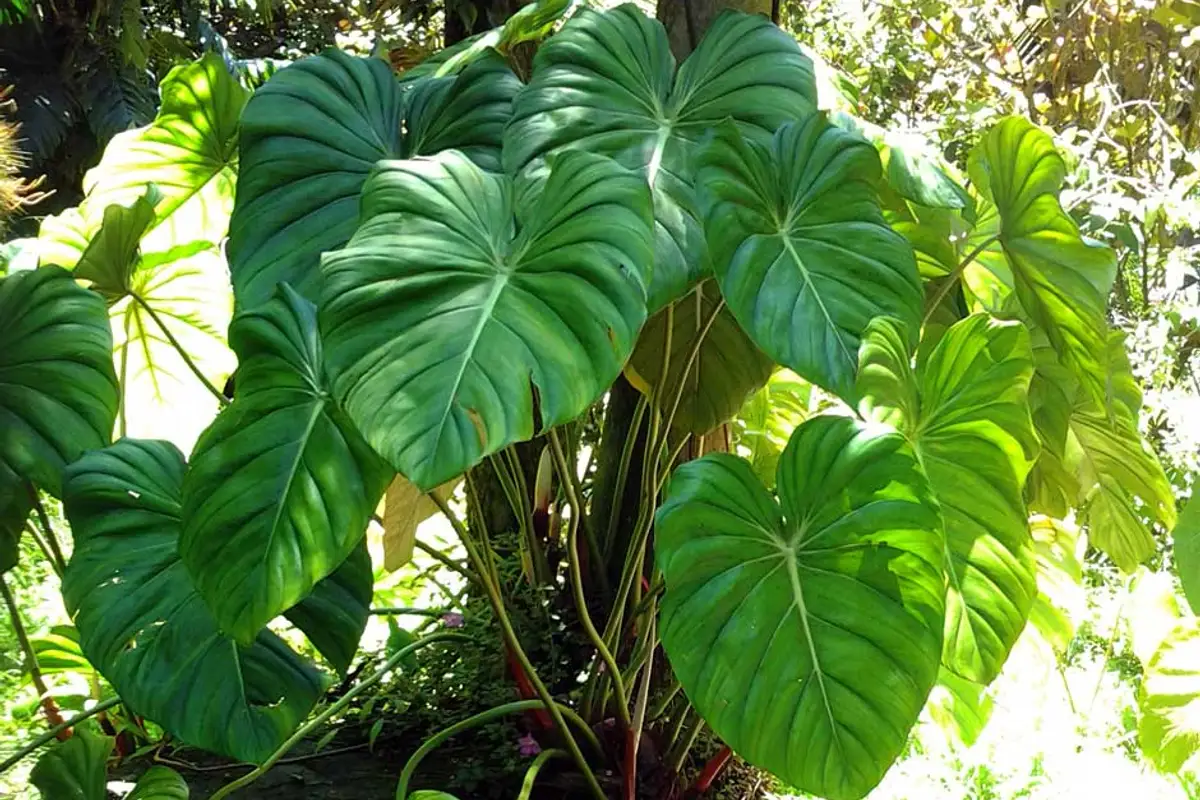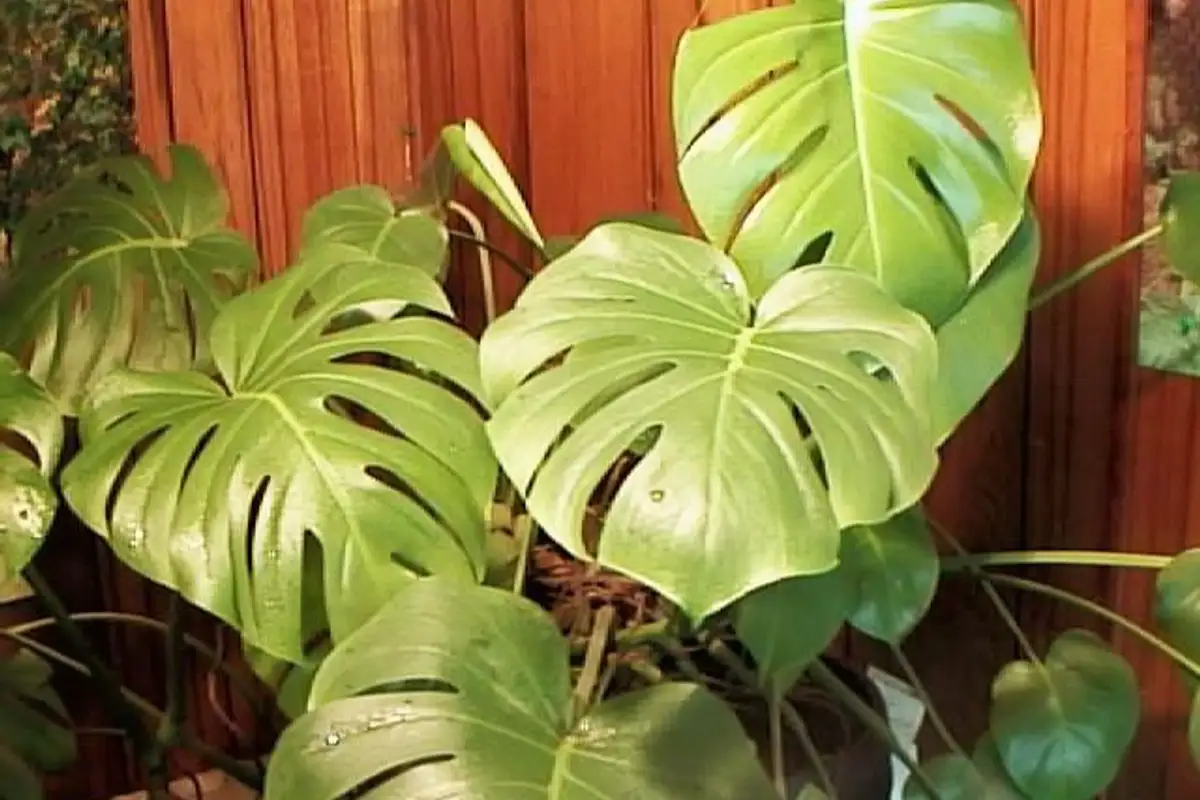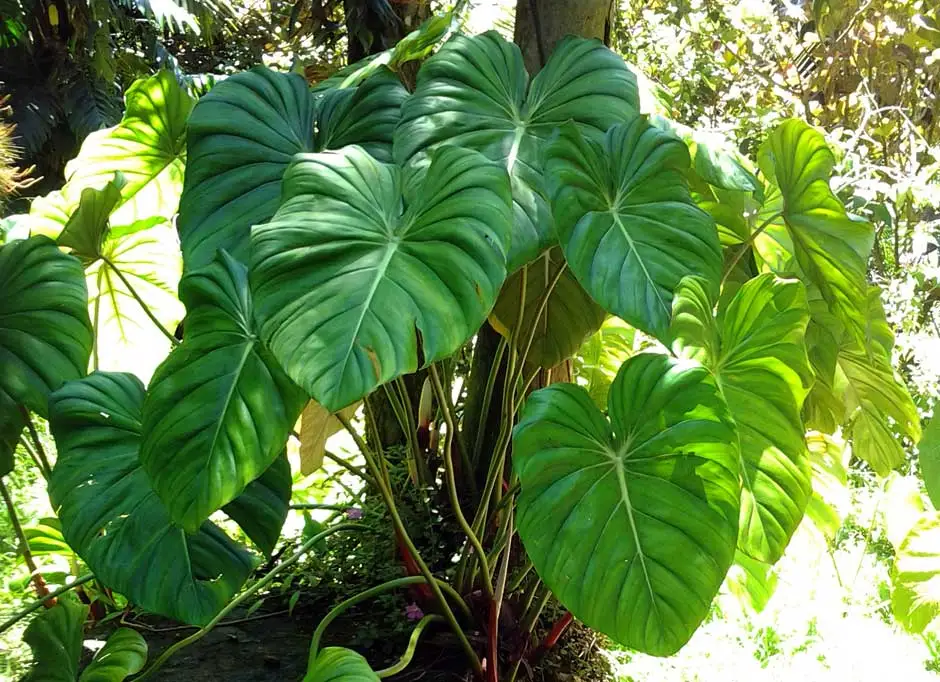
The philodendron is a popular plant due to its perennial nature and the beauty of its leaves, making it ideal for any type of interior.
There are numerous varieties of philodendron, approximately 120, all native to the tropical regions of America. Their leaves can reach gigantic sizes in their natural environment.
The philodendron is a plant that loves bright light, artificial light, but it can also get used to direct sunlight or shadier areas. At the same time, the philodendron develops optimally at variable temperatures; it's good to know that it won't withstand temperatures below 15 degrees Celsius.
If you want to plant it in the garden, it is advisable to leave it in a pot for a period of time so that it can acclimate to the environment.
For optimal growth, it needs high humidity. Therefore, during the warm season, it needs regular watering, but with caution as too much water will lead to root rot. It is recommended that in summer the leaves should also be lightly sprayed with water. During winter, water less often and moderately.
After this acclimation period, you need to dig a hole about three times wider than the area of the pot and twice as deep and by tapping the pot slightly, the philodendron will come out with all the soil. Remove the tips of the roots from the compacted soil and then you can plant the philodendron in the garden soil.
You need to provide it with loose and well-drained soil for a successful transition from pot to garden.
We recommend that you purchase a philodendron for its aesthetics and especially for its ability to purify the air inside your home.
Photo Source: Wikipedia