Plants
10 Easy-Care Indoor Plants
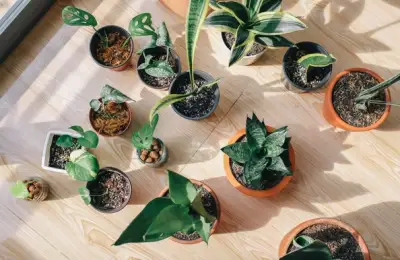
Indoor plants offer numerous benefits for both home décor and our health.
Cristina Paun · 8 ian. 2015
Indoor plants offer numerous benefits for both home décor and our health.
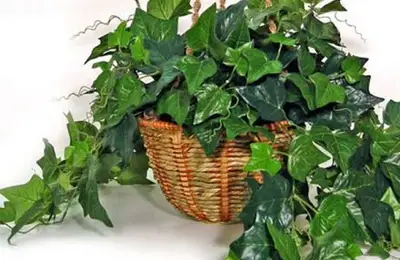
Few creeping plants survive under evergreen trees and shrubs, ivy being one of them.
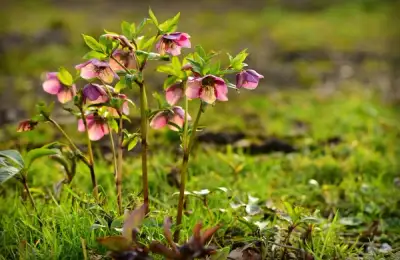
The leaves of the snowdrop are very attractive in winter. The distinctive flowers appear in the middle of winter. The numerous species of snowdrops are among the first fragrant flowers of the cold season. Brought indoors they spread a pleasant scent, but cut as flowers in a vase they do not last long.

Microgreens are a form of young, edible plants produced from vegetables, herbs, and other species, harvested between 7 and 25 days. They vary in size, from 5 to 10 cm, are more developed than sprouts and smaller than "petit" and "baby" plants.
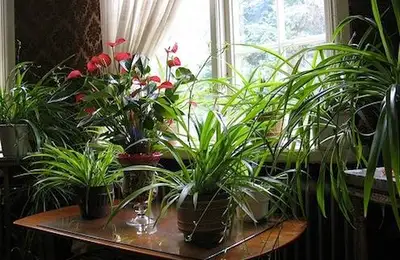
Even though plants remain in their pots, seemingly undisturbed by the changing seasons, we guarantee they feel the transformations taking place.
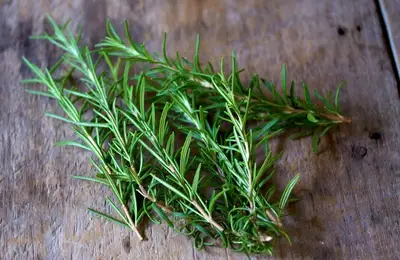
demic to the Mediterranean region, rosemary is a symbol of purity and fidelity, used today even for decorations. Its Latin name means "dew of the sea," referring to its place of origin, the coast.
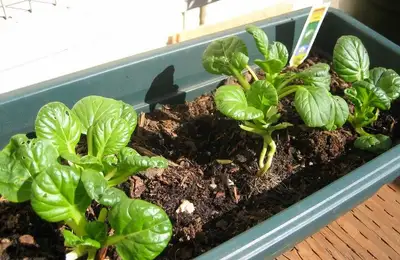
Even if it's frosty outside, spring can arrive indoors. To grow the seedlings needed for next year's vegetable garden, we need a lot of patience and special care.
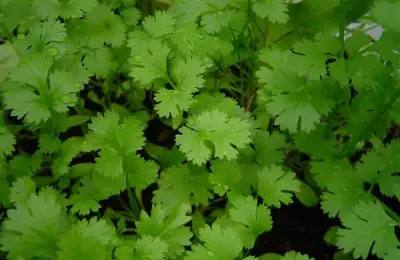
Cilantro is a plant native to the Mediterranean basin, known since 3500 BC. Records of this plant have also been found in the Ebers Papyrus.
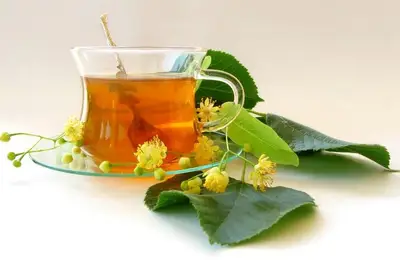
Lemon balm or bee balm is native to Southern Europe and a favorite plant in monastery gardens. The scent of its active principle resembles that of lemons. It is also known as "iarbă-stupilor," which indicates that it is also a melliferous plant.

Sage is widespread in the Black Sea region and Southern Europe. In ancient times, sage leaves were used for preservation.
Long autumn and winter days affect our houseplants. If pests also appear, potted plants die faster than we might imagine.