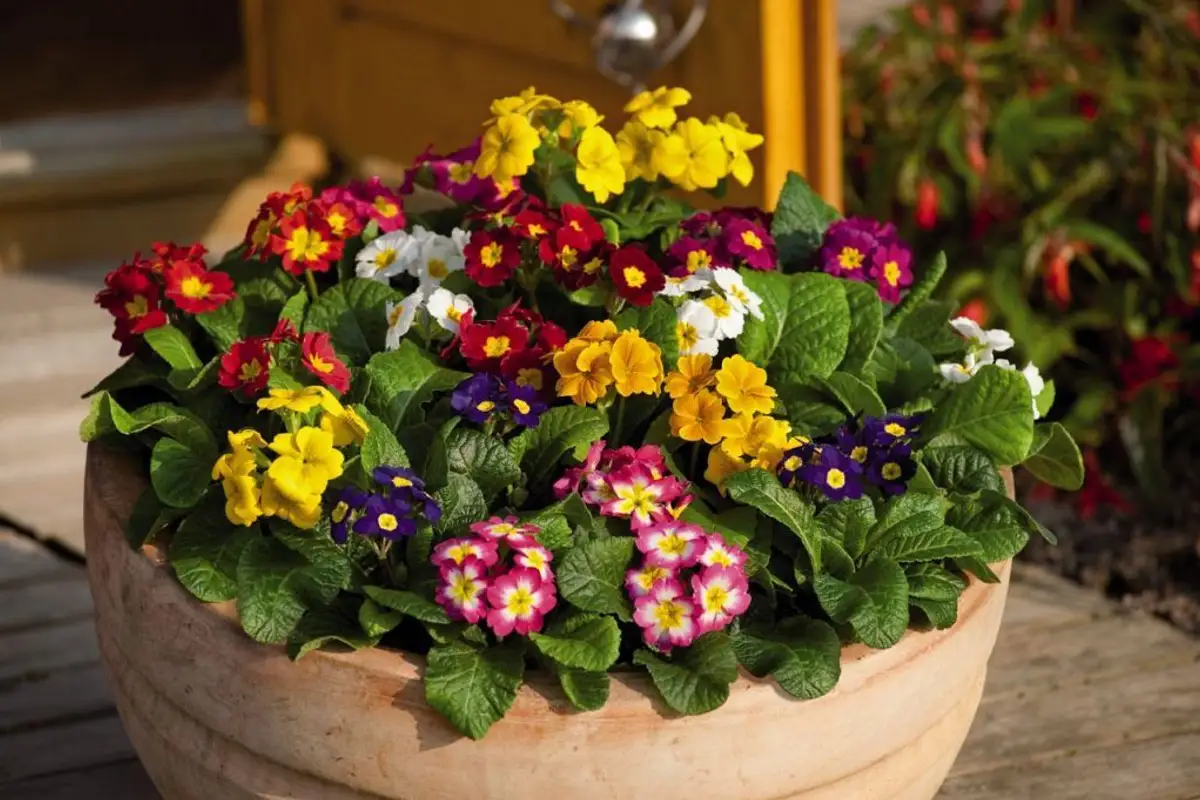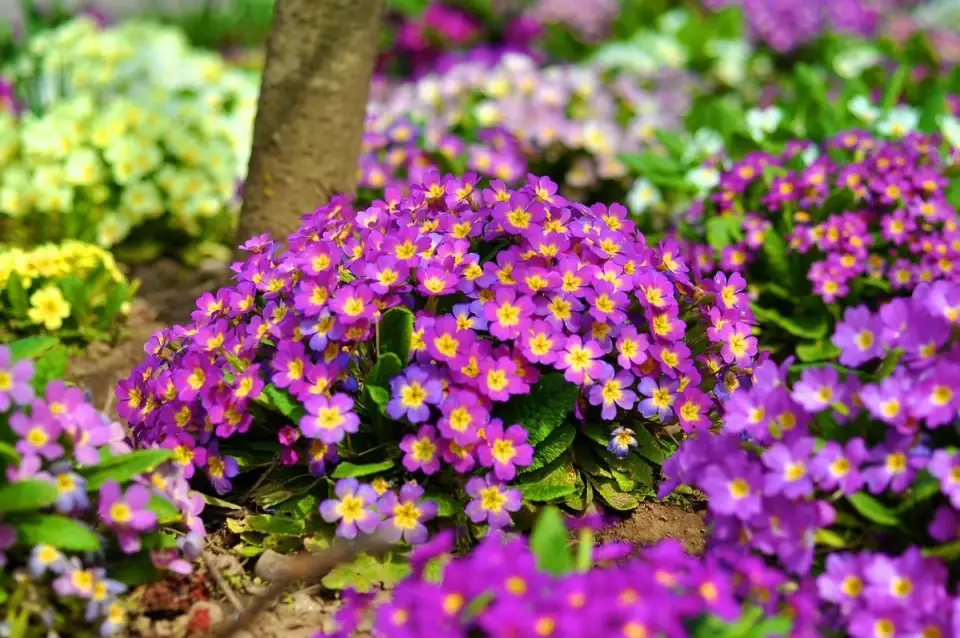
Flower lovers who are lucky enough to have a yard around their house should not exclude the primrose from the list of ornamental plants. It is a very unpretentious flower, easy to grow, care for and multiply, which offers an enchanting variety of color combinations.
If you haven't tried growing primroses in your garden yet, we will provide you with all the necessary information so that in spring you will know what to do.
Primula, a Garden Plant Primula is a plant with a very wide distribution area. As origin zones, we mention the alpine zones of Europe, the temperate climate zones of Asia and North America. It is a plant that does not grow tall (maximum 25 cm) whose flowers grow in bunches on stems.
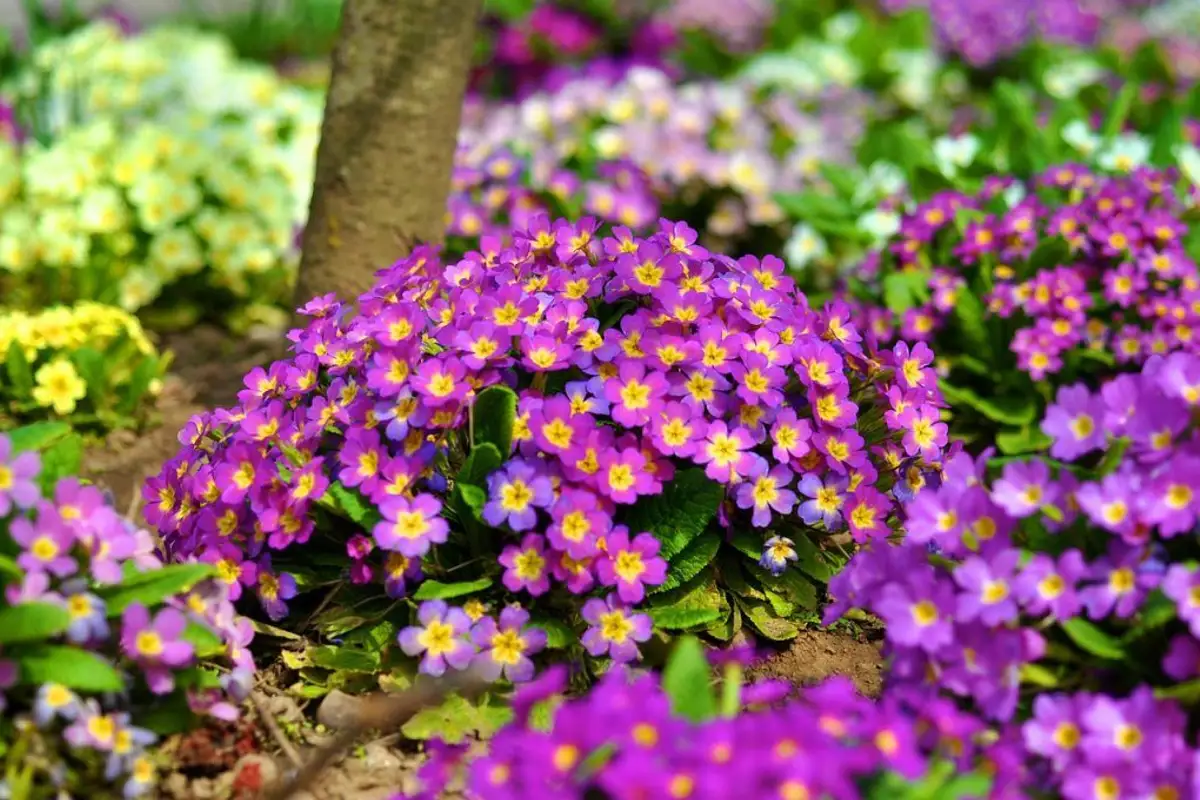
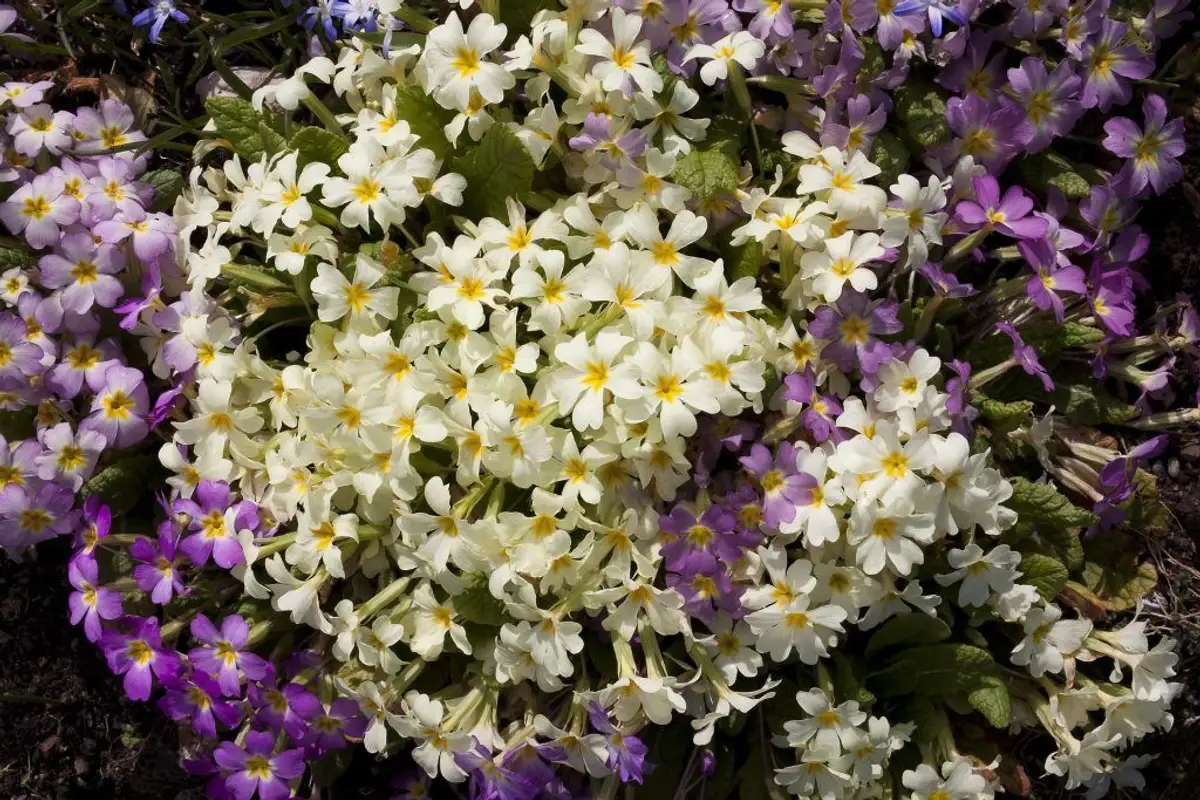
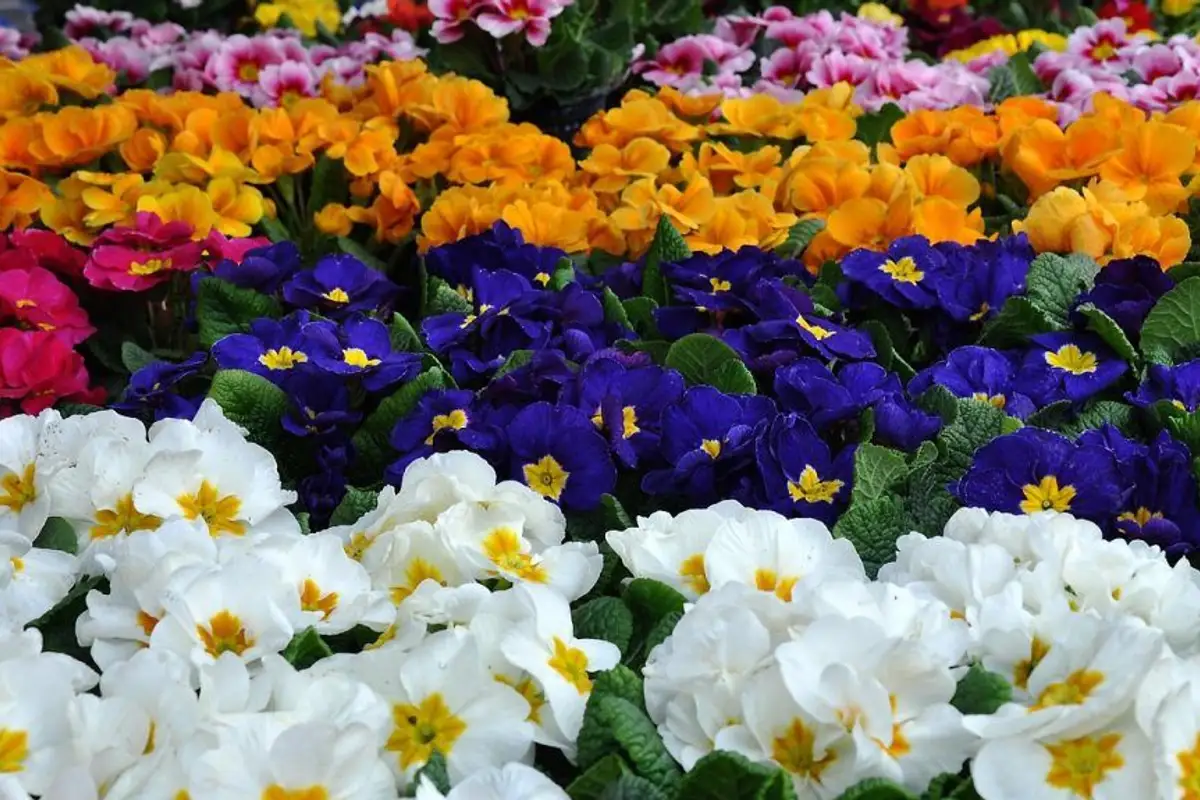
There is a very large variety between primrose varieties in terms of leaf appearance and flower color. Primrose flowers cover almost the entire chromatic spectrum, from delicate white to intense violet. They have a diameter of approximately 5-6 centimeters and 5 to 8 fringed petals.
As for the leaves, they can be oval-shaped, covered with fine hairs, or with very fringed edges, similar to a nutmeg leaf.
Although extremely decorative and brightening any atmosphere, primula plants are not suitable for planting in pots and keeping indoors. This is because after the flowering period, the part above the ground of the plant dries up. If you still want to have primroses indoors, it is ideal to also have a small outdoor space to transplant the root.
This way, the plant will survive until next year, when you can bring it back to the balcony or apartment.
The flowering period of the primula is between March and May. During the cold season, since the aerial stem and leaves have already dried up, no special protection is needed. Eventually, spread a layer of dry leaves over the primrose clumps before the first frost, and this will ensure the necessary protection as well as soil fertilization.
Some interesting information about primroses
Primula belongs to the Primulaceae species. There are over 500 different varieties, but not all of them have been cataloged yet. Botanists passionate about this species of flowers have been studying it for over a hundred years, and during this time they have discovered that primroses are not only decorative but also useful.
From the Primula officinalis variety, several substances used in medicine are extracted, such as primrose oil used in the treatment of cardiovascular diseases, vitamin C, primulozide, flavonoids and primverase - these last substances being used in the treatment of kidney and biliary affections.
In Romanian folk tradition, primroses are flowers that bring good luck to those who encounter them on their way, and in households where primroses are planted, animals and poultry will be protected from diseases. Offered as a gift, they can signify, depending on the context, the energy and enthusiasm of youth or inflamed love. The popular name for this flower is cuckoo's beak.