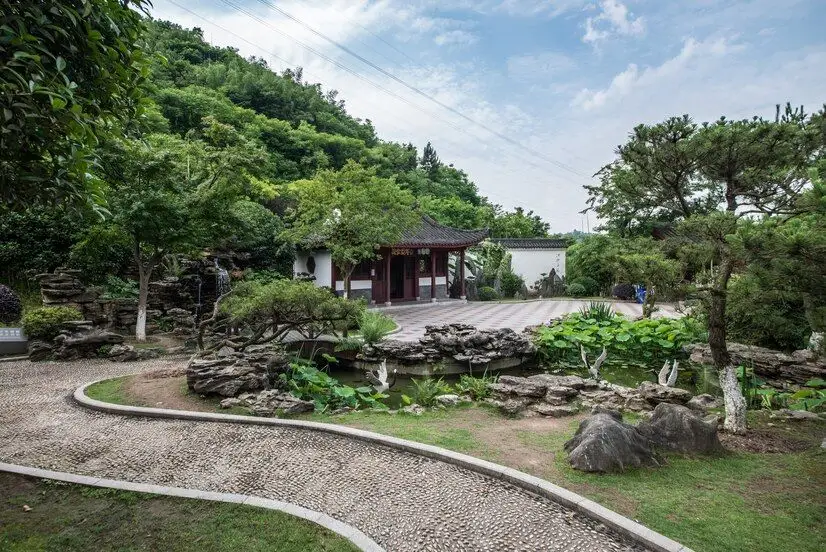
Landscape architecture involves designing and organizing outdoor spaces to create functional, aesthetically pleasing, and sustainable environments.
Here are some fundamental principles and elements in landscape architecture:
Aesthetics and Artistic Design: Aesthetics is an essential component of landscape architecture. Using shapes, colors, textures, and lines to create a visually appealing and balanced space is crucial. Artistic design can influence the perception of space and create a distinctive atmosphere.
Sustainability: Landscape architecture must consider sustainability and environmental protection. The use of plants, efficient water management, the use of sustainable materials, and reducing the impact on ecosystems are important aspects.
Circulation and Connectivity: Careful planning of access paths and circulation flows is essential to ensure connectivity and accessibility within the landscape. This aspect considers the comfort and ease of use of the space.
Structure and Organization: Creating a well-defined structure and an organized plan is crucial in landscape design. This involves the strategic placement of elements such as pathways, terraces, green areas, and decorative features.