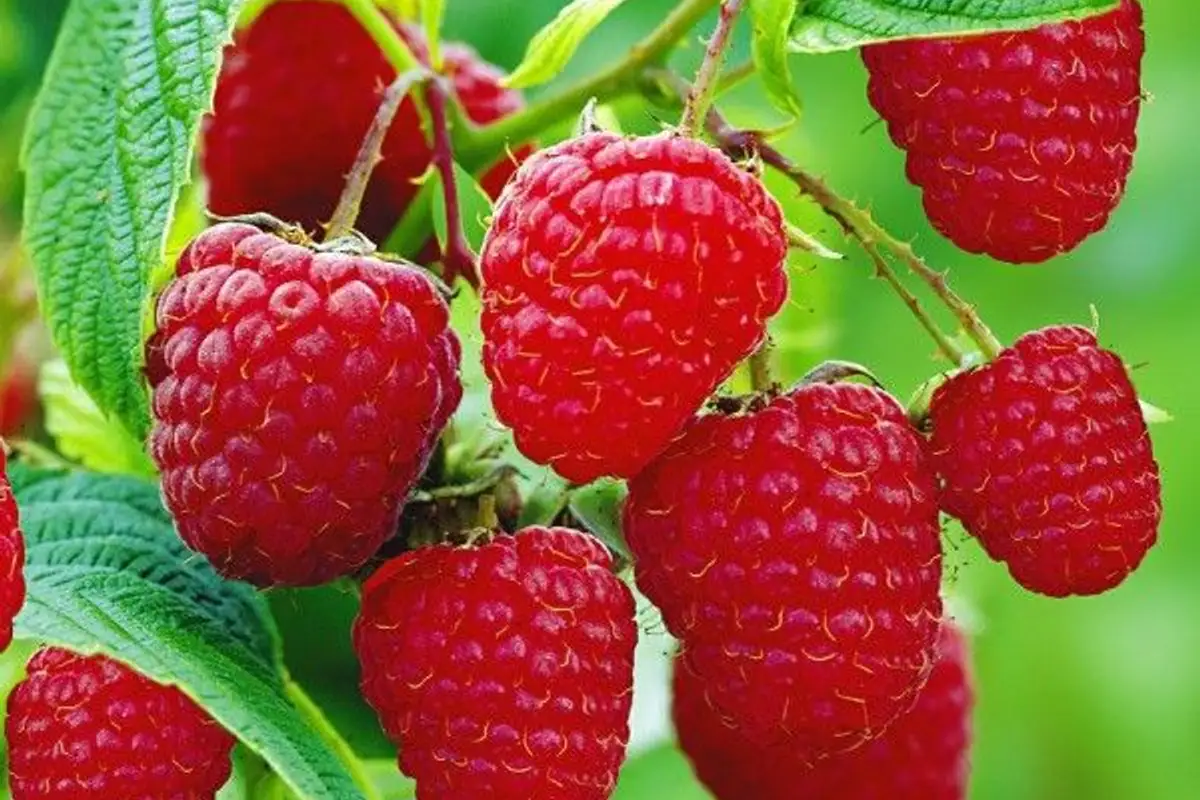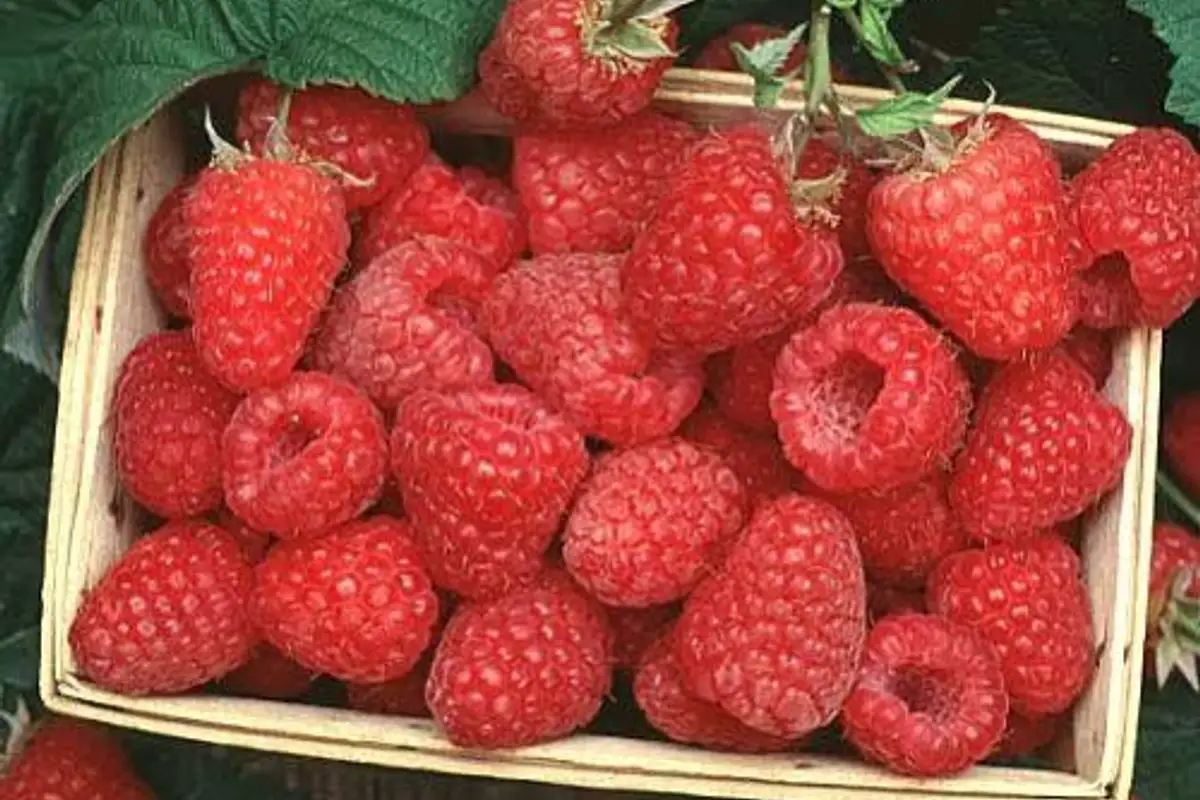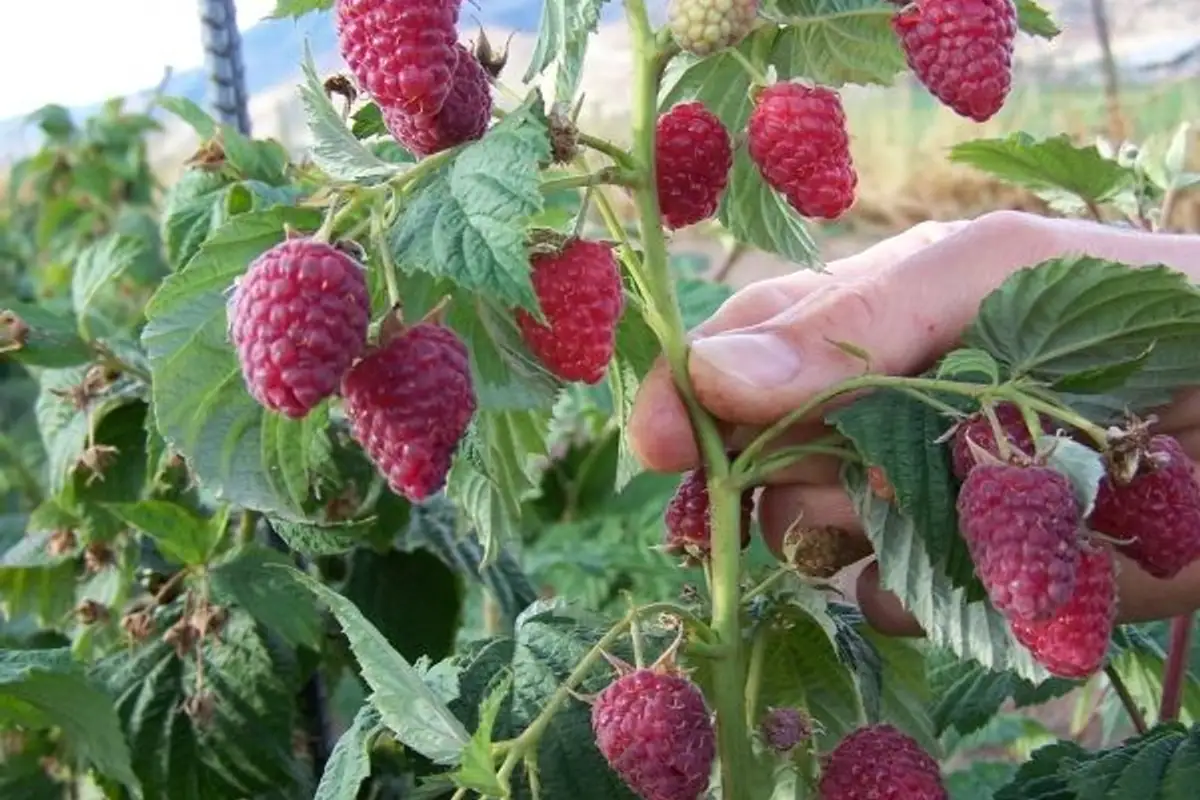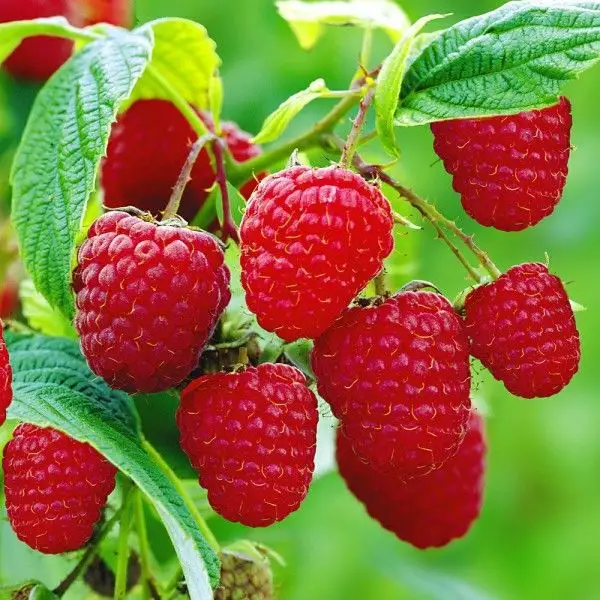
Like the strawberry, raspberry belongs to the Rosaceae family. Wild raspberries are a food source and good shelter for birds, insects, and mammals. Along with the blackberry, it is a plant specific to rural gardens. At the beginning of the 20th century, there were more than 400 varieties. The raspberry fruit is soft and perishable, and at harvest it detaches from the receptacle in the form of a drupelet.
Open Gallery Raspberry has very high demands on the soil. It prefers light, deep substrates rich in humus. Bound, compact soils are not recommended.
In spontaneous flora, it is found mainly at the edge of forests, in meadows, ditches, where the soil has constant humidity, and the sun's rays reach easily, the plants being protected by long blades of grass and leaves gathered by the wind. For good development, these conditions must be ensured in home gardens as well.
Read also: how to plant raspberries (video tutorial)
Raspberries need large amounts of fertilizer. The soil is fertilized annually with manure, compost, mown grass, and weeds are removed. Crops must be well-ventilated so that moisture on the leaves evaporates easily. The optimal planting time is during the dormant period (autumn, before the onset of frosts or very early spring).
Specimens in containers that have started to leaf out are planted only after late spring frosts.
A particularity of cultivated raspberries is the number of harvests obtained throughout a year. The cultivation systems practiced are on canes or in the form of a fruit hedge. In fruit hedge crops, production appears in June-July; in cane culture, harvesting takes place at the end of summer, and only from green canes in autumn.