If you are looking for a house, you have certainly come across listings that describe properties as "red," "gray," or, more recently, "white." These terms define the stage of construction and are essential to understand what you are buying, what additional costs will follow, and how soon you will be able to move in.
On the Romanian real estate market, houses at the "red" stage are the most common, but each stage comes with its own set of advantages and disadvantages. This complete guide will help you understand the key differences and make the best choice for your budget and plans.
What Does a "Red" House Mean?
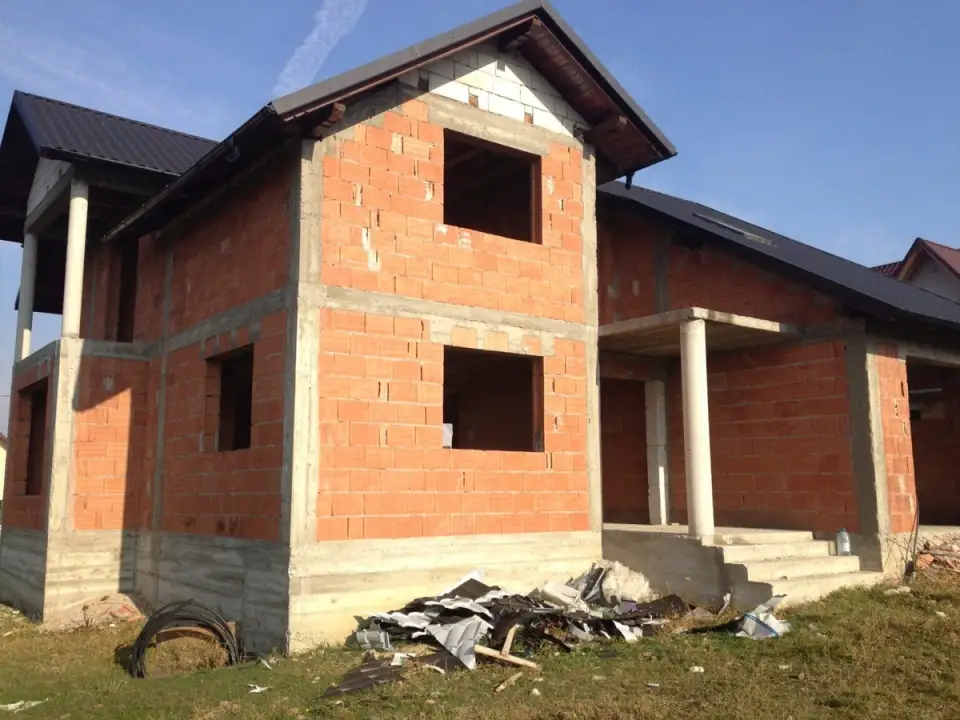
What it includes:
Roofing: The wooden structure and roofing (tiles, sheet metal, etc.).
Exterior walls: Exterior walls are raised but without finishes.
Utilities: Usually has access to water, electricity, and possibly gas, but the installations are not completed inside.
Advantages
Maximum design flexibility: You have complete freedom to personalize the interior layout, finishes, and fixtures as you please.
Short construction time (up to this stage): Raising the structure can be done relatively quickly.
Disadvantages
Long time until move-in: The finishing process is complex and time-consuming.
Requires an immediate and substantial investment: To make it habitable, you need to start expensive work immediately.
What Does a "Gray" House Mean?
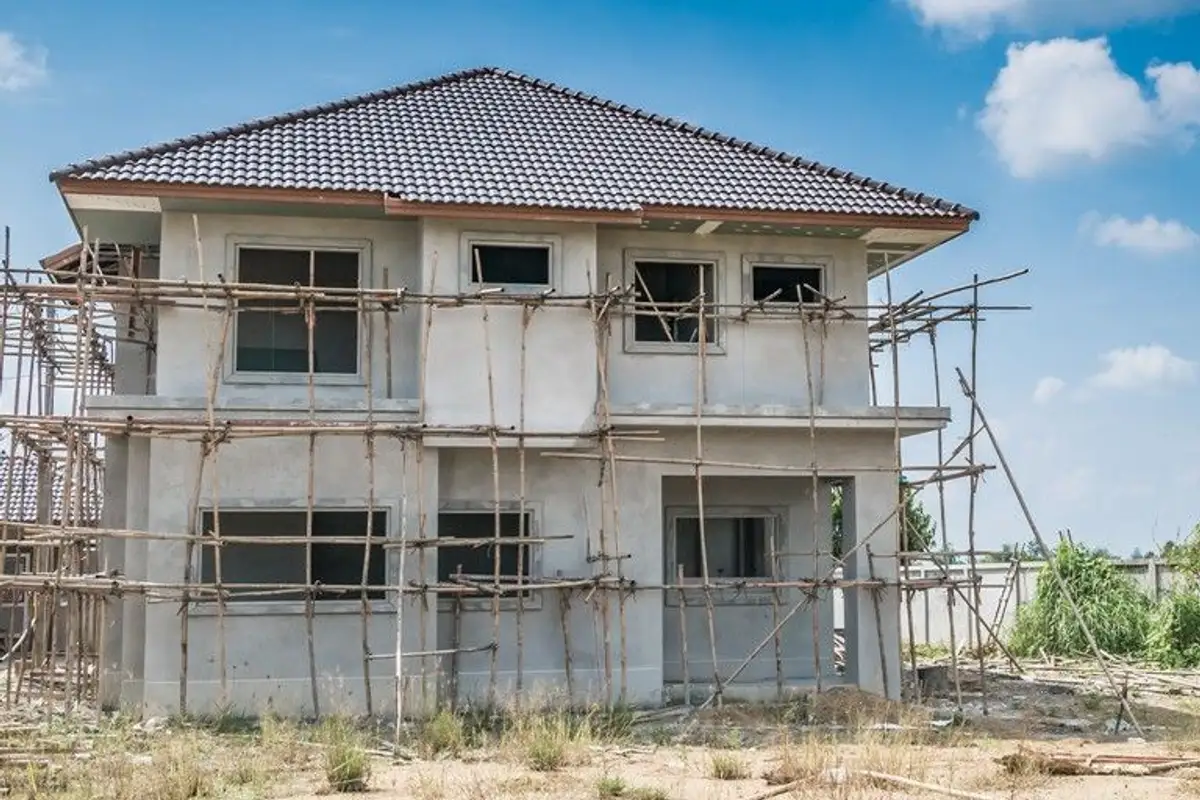
What it includes (in addition to "red"):
Exterior finishes: Decorative plaster applied to the facade.
Exterior joinery: Windows and the front door are installed.
Interior installations: The routes for electrical and plumbing installations are mounted in the walls, but they are not functional (without sockets, switches, sanitary ware).
Interior walls: They are plastered and prepared for puttying.
Advantages
Protection from the weather: The house is closed, protected from rain, wind, and snow.
Predictable final costs: It is easier to estimate the budget needed for interior finishes.
Allows for gradual completion: You can choose to finish rooms one by one, depending on your budget.
Disadvantages
Still requires investments: Interior finishes (putty, paint, flooring, doors, bathrooms) represent a significant cost.