Recently, we've focused on Bucharest locales, but we decided to diversify and turn our attention towards Transylvania. Cluj has several establishments it can be proud of, including Zama, which offers a modern interpretation of the traditional Transylvanian style.
We sought further insight from designer Cosmin Todor, who oversaw both the conceptualization and execution of the Zama project.
What is the concept of the Zama restaurant?
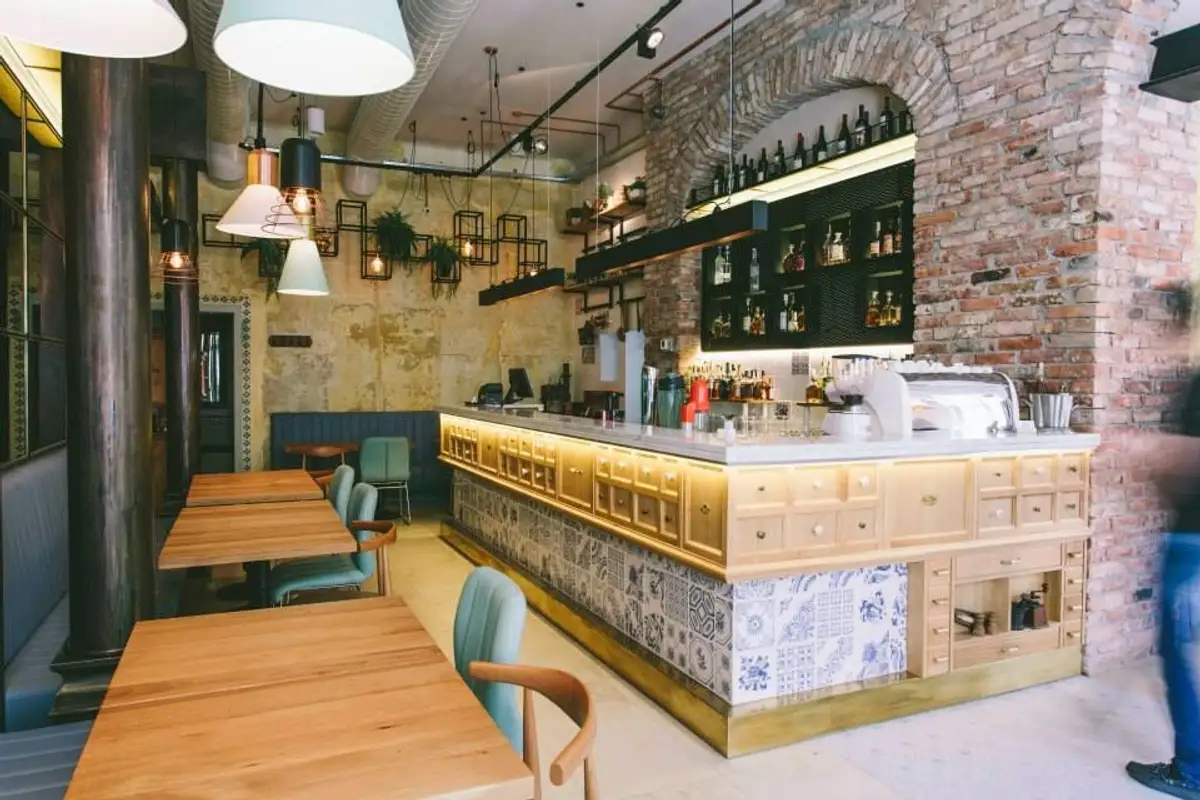
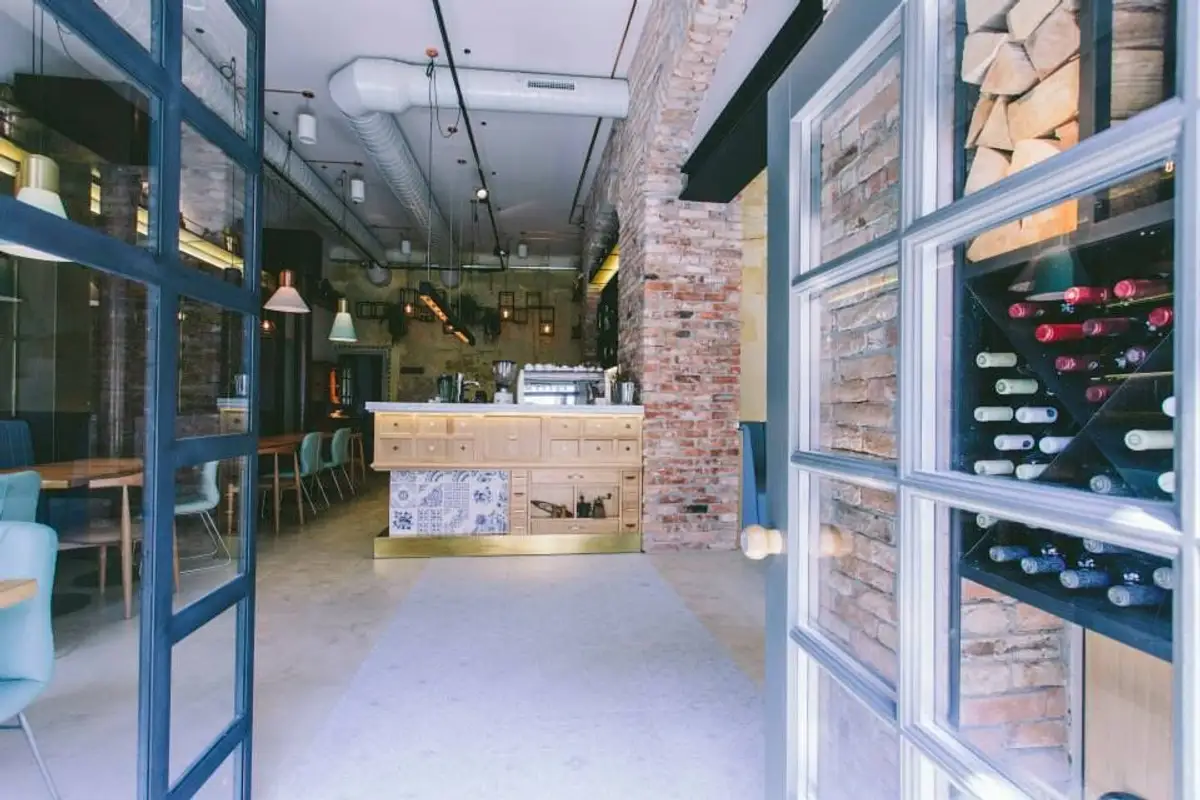
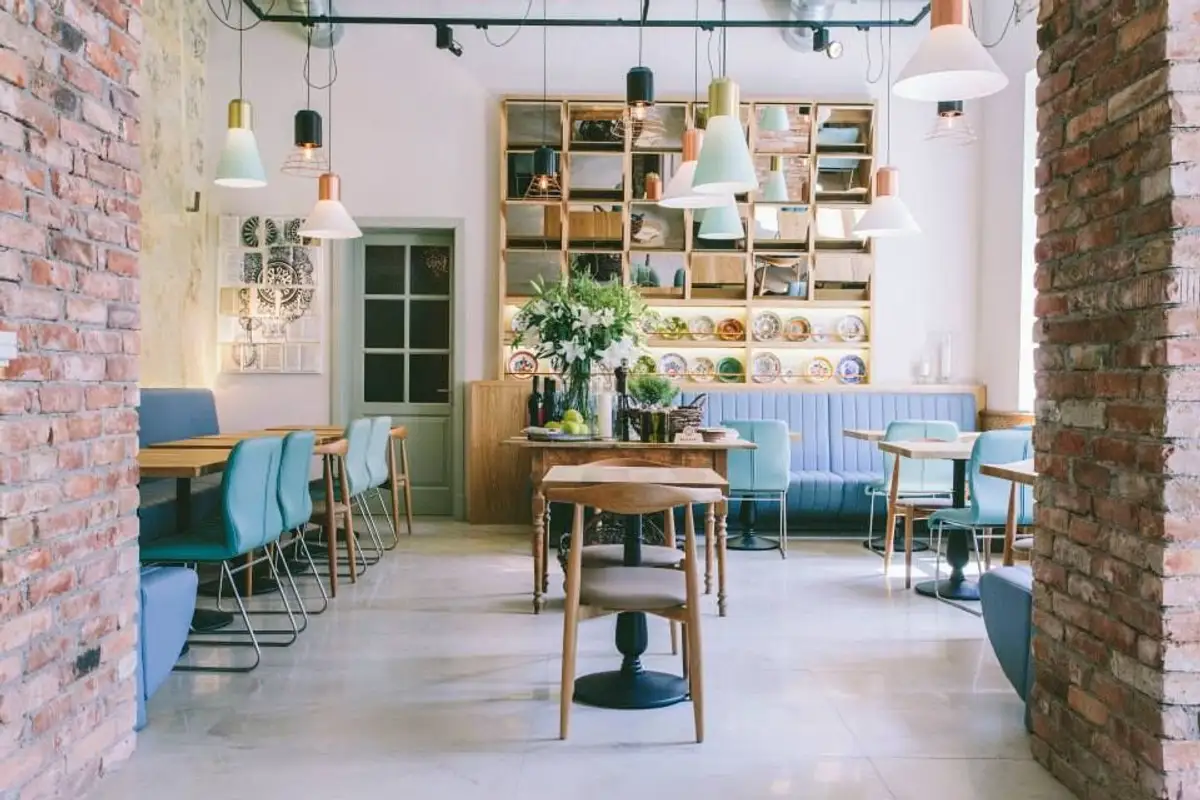
Everything stems from the same idea reflected in its name: simplicity. Zama is a combination of things both modern and traditional, industrial and elegant, metal and wood, old and new.
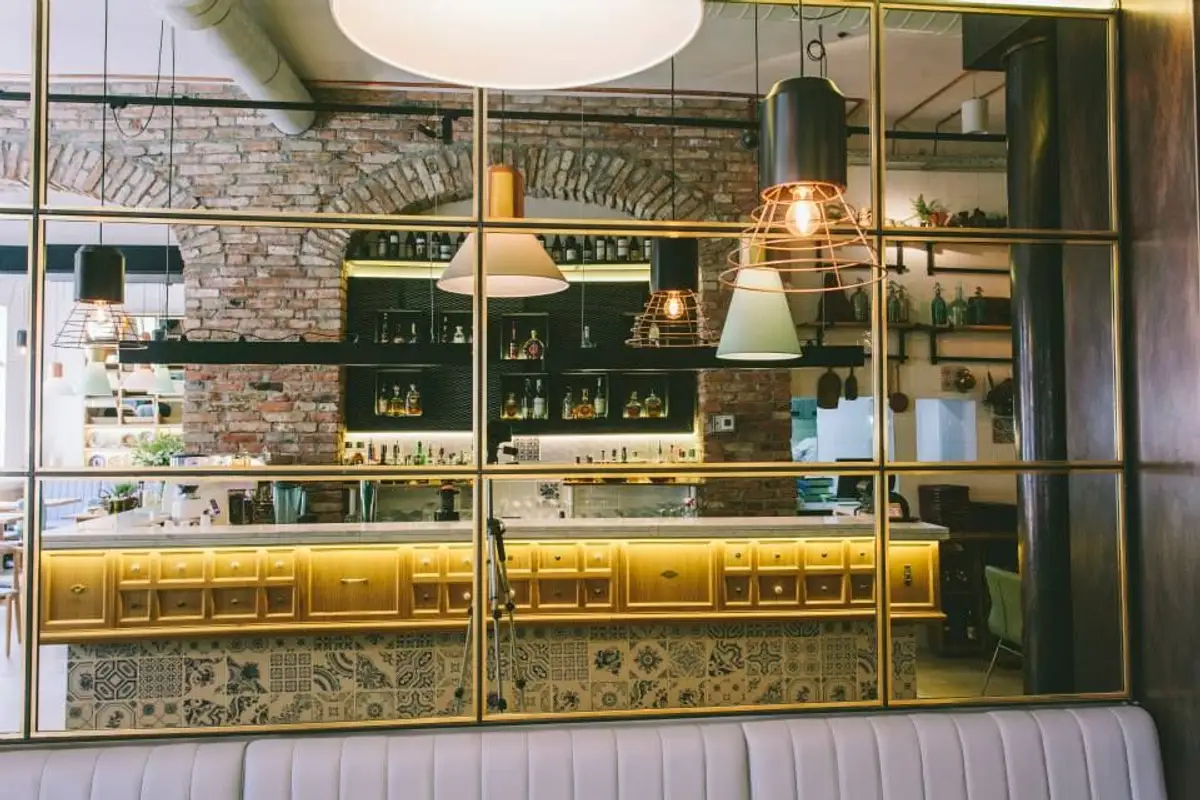
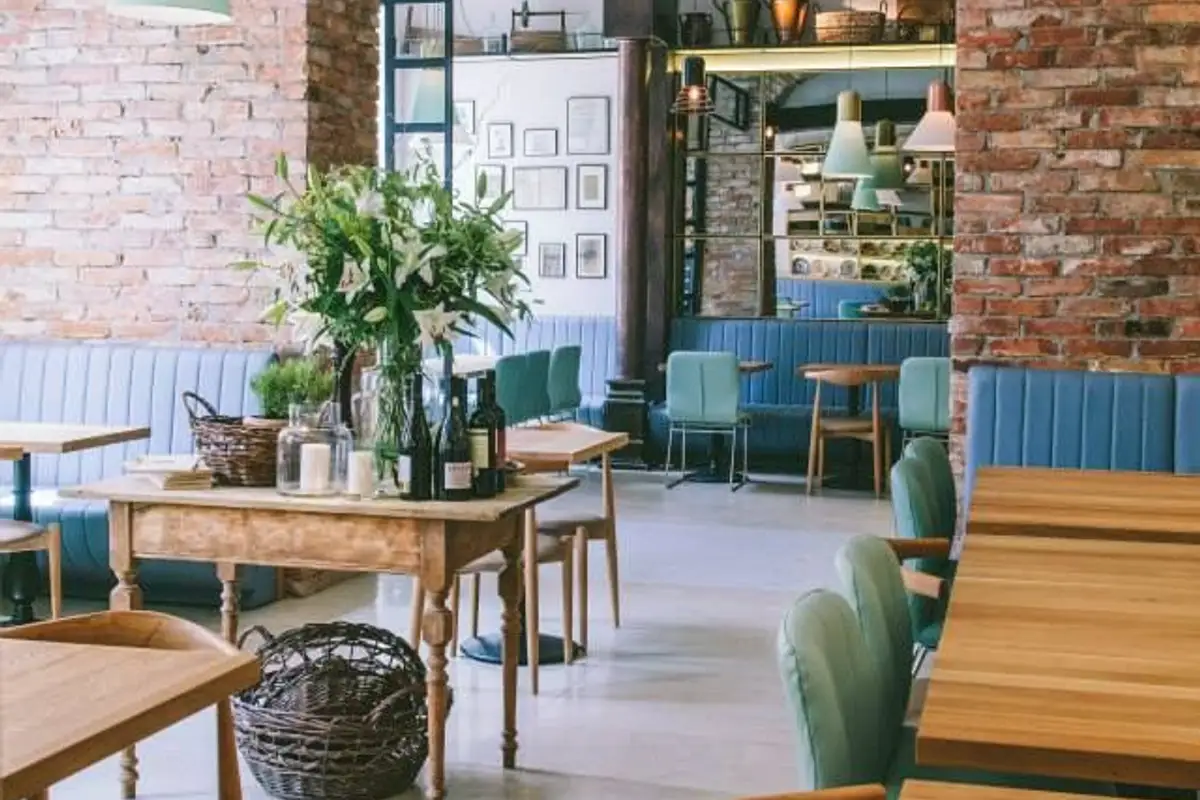
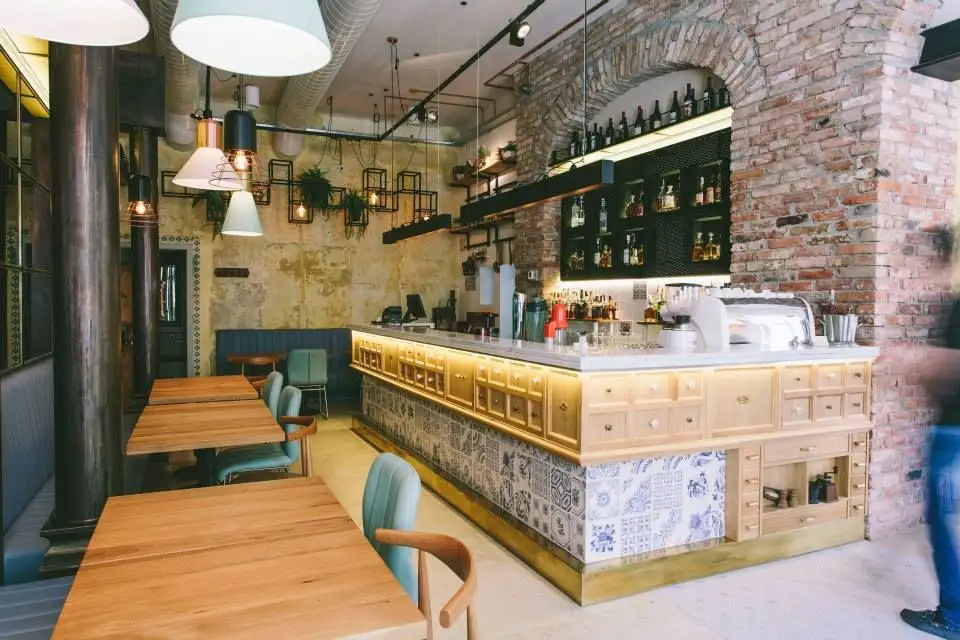
The design is one of contrasts, with a pendulum swing between warm, almost classic elements (the bar front) and cold, almost industrial elements (the retro bar and metal columns), between old traditional elements (plates from Transylvanian peasant households) and modern objects (lighting fixtures), between cool shades of blue and warm wood tones, between raw, rough textures (brick, exposed walls) and smooth, reflective surfaces (mirrors, glass, copper).
All of this together manages to express something very simple: a place where everyone can feel good, all social, ethnic, and intellectual categories.
How long did the landscaping work take?
The process took considerable time due to the complex project implementation procedures. First, it was necessary to recover the space's identity, which had been lost over time due to various renovations, and only then, on this foundation, build the Zama concept.
For example, the walls were thoroughly cleaned of all layers of paint so that the first layer could be seen. The brick walls were not uncovered but are specially built to feature this beloved natural brick element by Cluj residents.
What materials did you use?
Wood, metal, brass, ceramic, clear glass, reflective glass, natural leather, brick, materials I work with almost all the time.
Where did you purchase the furniture and other decorative elements?
The furniture is custom-made by Empero, who also supplied the chairs and Terminus doors, while the metalwork is from Feromatic. The lighting fixtures are from Luxline. Traditional decorative elements, as well as two pieces of furniture, were collected with the help of traditional recipe collector Mircea Groza, who is also a menu consultant.
How would you describe the design style?
I'm not sure if I can give it a clear definition, but I can tell you that it is a bringing forward of the Transylvanian traditional style.
What impact have you had?
It's hard to pinpoint just a few sources of inspiration, as I draw from so many. It's more like a blend of elements that I cherish.
If you happen to be in Cluj, Zama is one of the locations worth visiting. Here, in a traditional Transylvanian setting, you can try local cuisine with dishes that are sure to please you.