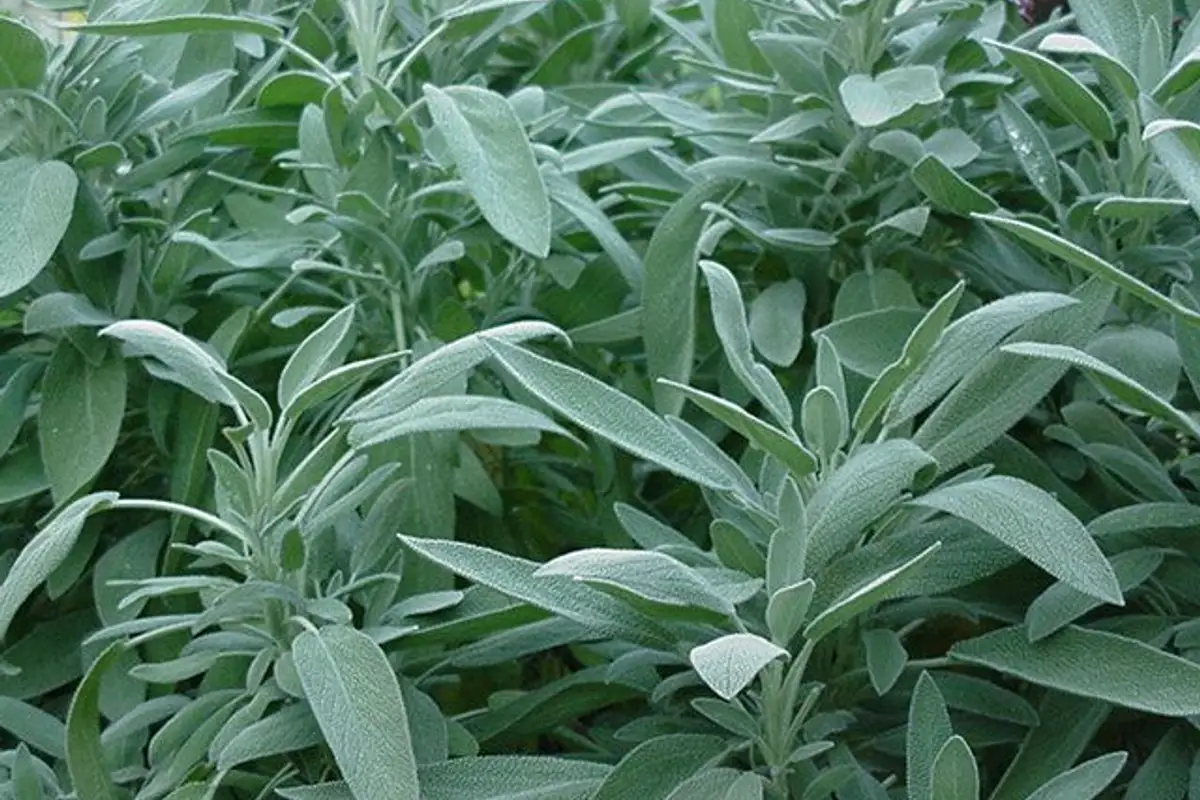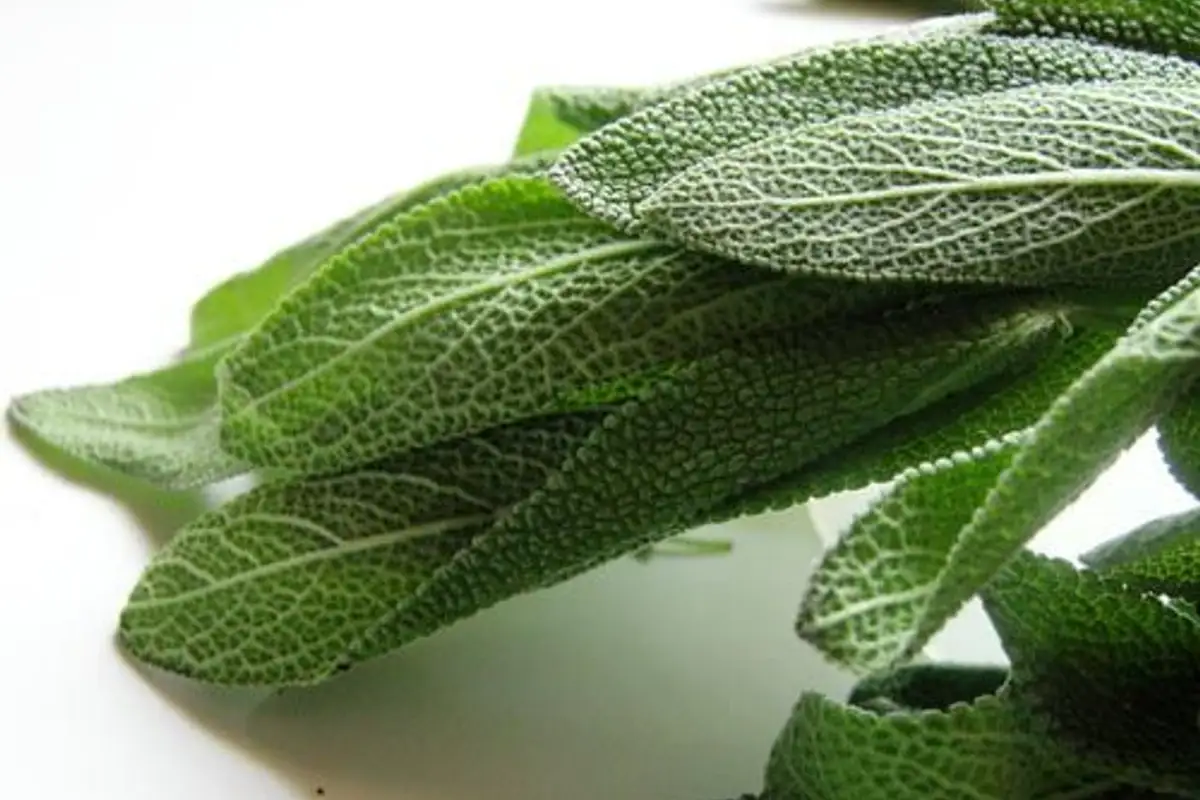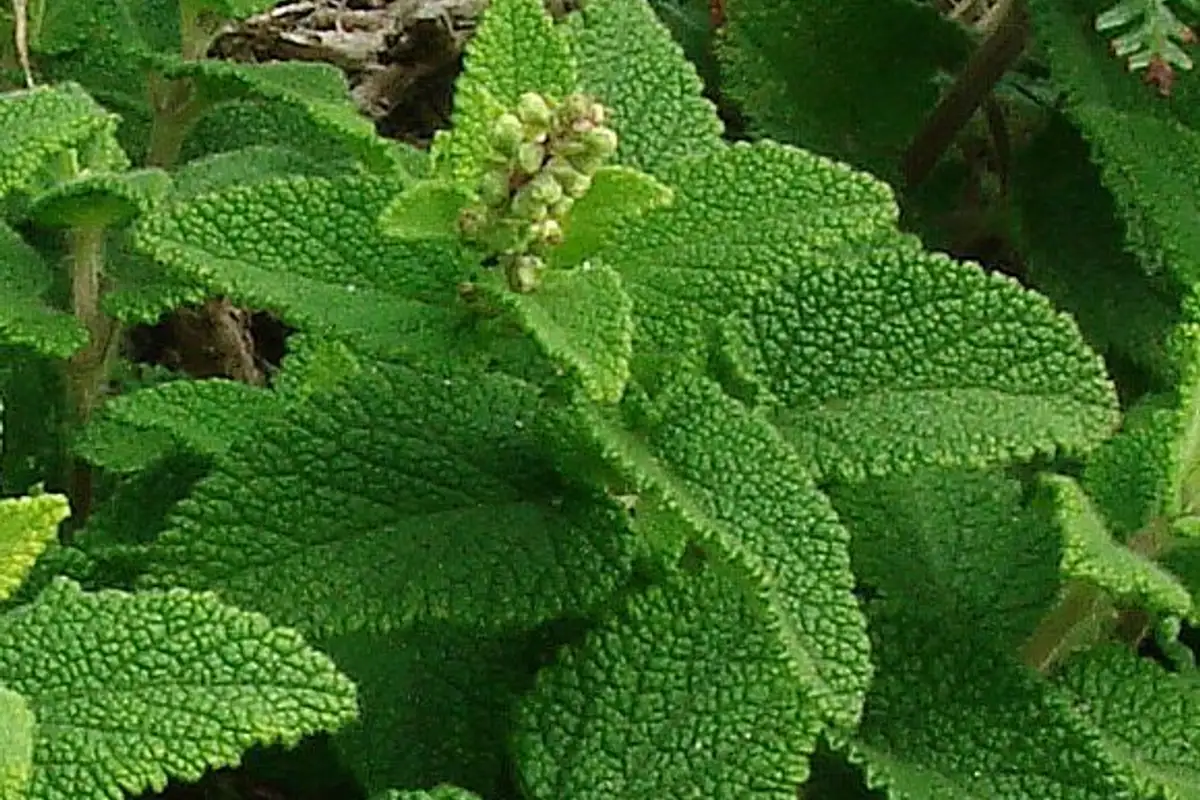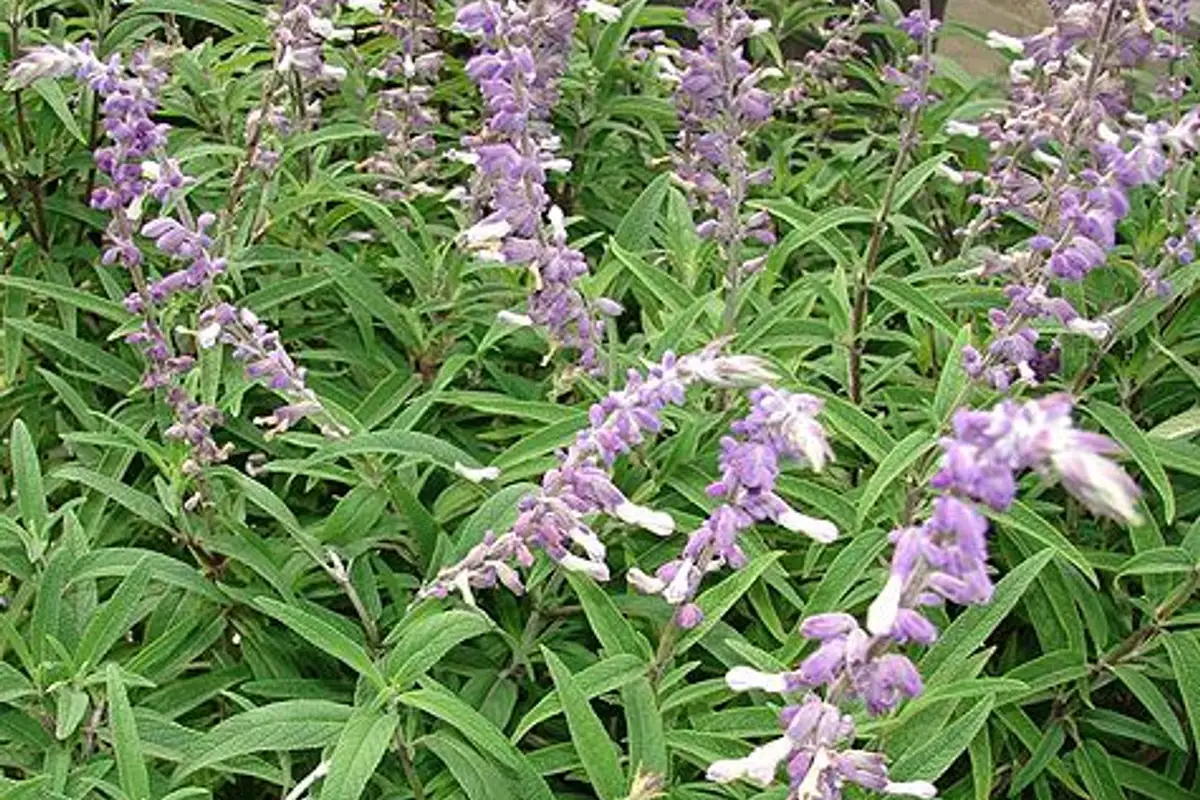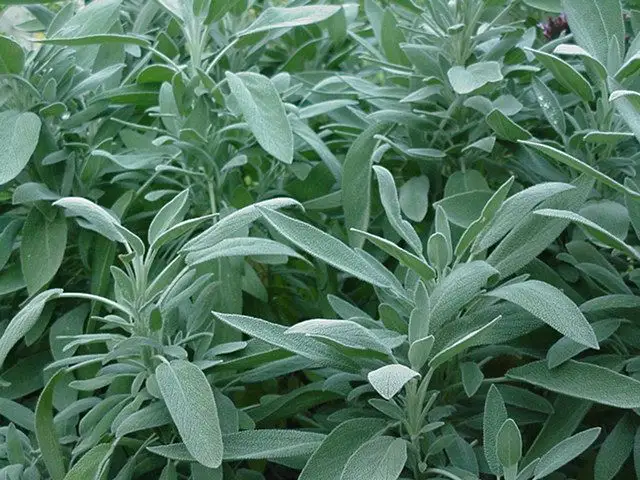
Sage is very common in the Black Sea area and Southern Europe. In ancient times, sage leaves were used for preservation. It is a perennial shrub that reaches a height of 50-80 cm. The stem is rectangular, and the leaves, a grayish-green color, are covered with white hairs. Sage flowers bloom from late May to July.
Sage is a plant with high heat requirements and is drought resistant. Only at the beginning of the growing season does it need more water. It can be successfully cultivated on almost any type of soil. Strong frosts can cause significant losses. Before establishing the crop, fertilization with organic fertilizers is recommended.
The sage crop can be maintained for about five to six years, after which the bushes age and are no longer suitable for harvesting leaves. The culture is established by direct sowing or seedlings. It can also be multiplied by dividing the bush.
Considering that sage is a perennial plant, sowing in the final location will be done at the end of October or the beginning of November. In spring, at the 3-4 leaf stage, the plants are thinned out to a distance of 30-40 cm between them.
Considering that sage starts growing slowly, propagation by seedlings is recommended. The basic criterion for this method is that the soil temperature should be at least 10 degrees Celsius at the time of planting the seedlings. Care work consists primarily in weed control by digging and hoeing.
In spring, dry portions are cut; if the plants have been affected by frost, the cutting will be more severe, leaving only a portion of 10 cm.
Leaves can only be harvested from the second year of cultivation. The young shoots are cut, from which the leaves are then picked and dried in a cool, airy place.
Sage is used both individually and combined with other spices to flavor meat dishes, as well as for flavoring cookies.
This plant has anti-inflammatory properties and reduces sweating, having an astringent and antibiotic effect. Sage tea is used to treat gingivitis and pharyngitis as a mouthwash. In the case of hemorrhoids, it is recommended for preparing medicinal baths. Consumption of sage tea is prohibited for pregnant women.
Article published in the book Herb Garden, Casa Publishing House