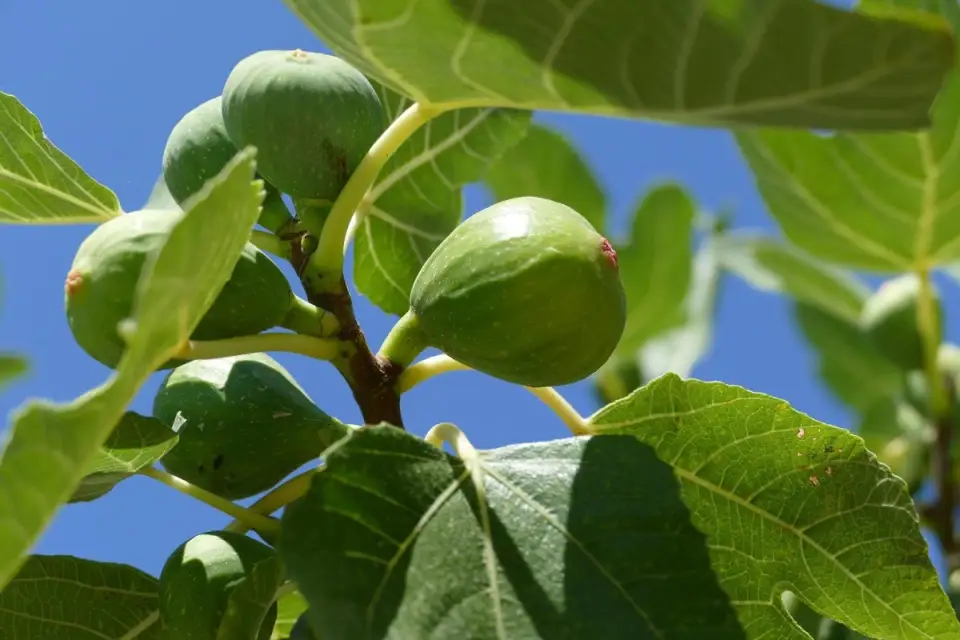
The fig tree is a fascinating plant, evoked in the Bible as a symbol of fertility, prosperity, and wisdom, knowledge, and healing. This tree is native to the Middle East and belongs to the Moraceae family, like the mulberry.
The fig (Ficus carica) grows wild but is also cultivated in gardens and commercial plantations, especially in subtropical and temperate zones, as well as those with a mild climate. The first records of the fig in Europe were found in ancient Greek writings (800 BC), where it was considered one of the most important fruit trees.
Smochin fruits are delicious, juicy and considered an exotic delicacy. But beyond the richness of flavor of figs, they also have therapeutic value due to their rich content of vitamins, minerals, antioxidants and fiber.
The health benefits of these fruits include: maintaining digestive system health, reducing oxidative stress, protecting cardiovascular health, regulating blood sugar levels, supporting the immune system, and anti-inflammatory effects.
If you wish to cultivate a fig tree in your own garden, to enjoy its shade, beauty, exotic aromas, and therapeutic benefits, you can discover in this article a short guide on its growth and care.
What is the fig and what are its characteristics?
There are four main types of figs, three of which (San Pedro, Caprifigs, Smyrna) are not typically cultivated by gardeners because they involve some complex pollination requirements. The fourth type – the common fig – is parthenocarpic, meaning the fruit forms without fertilization.
Therefore, the figs you purchase from commerce are self-fertile, meaning you can plant a single fig tree without needing another for cross-pollination.
You can choose from numerous varieties, whose fruits vary in color from brown to black, purple, green, or yellow: Celeste (cultivated especially in North America), Brown Turkey (more cold-resistant than other varieties and with smaller fruits), Black Mission (which produces two fruit crops per year of large violet-black fruit), Ischia (with smaller, light-colored fruits that are very aromatic) etc.
In Romania, the most popular varieties are: Svinita 1, Drobeta 1, Drobeta 3, Caracal 3, Curmala, De Portugalia, Dotatto, Calimirna, De Adriatica, de Crimea, San Piero.
The Smochinul is a sun-loving plant that requires water but is not demanding when it comes to soil.
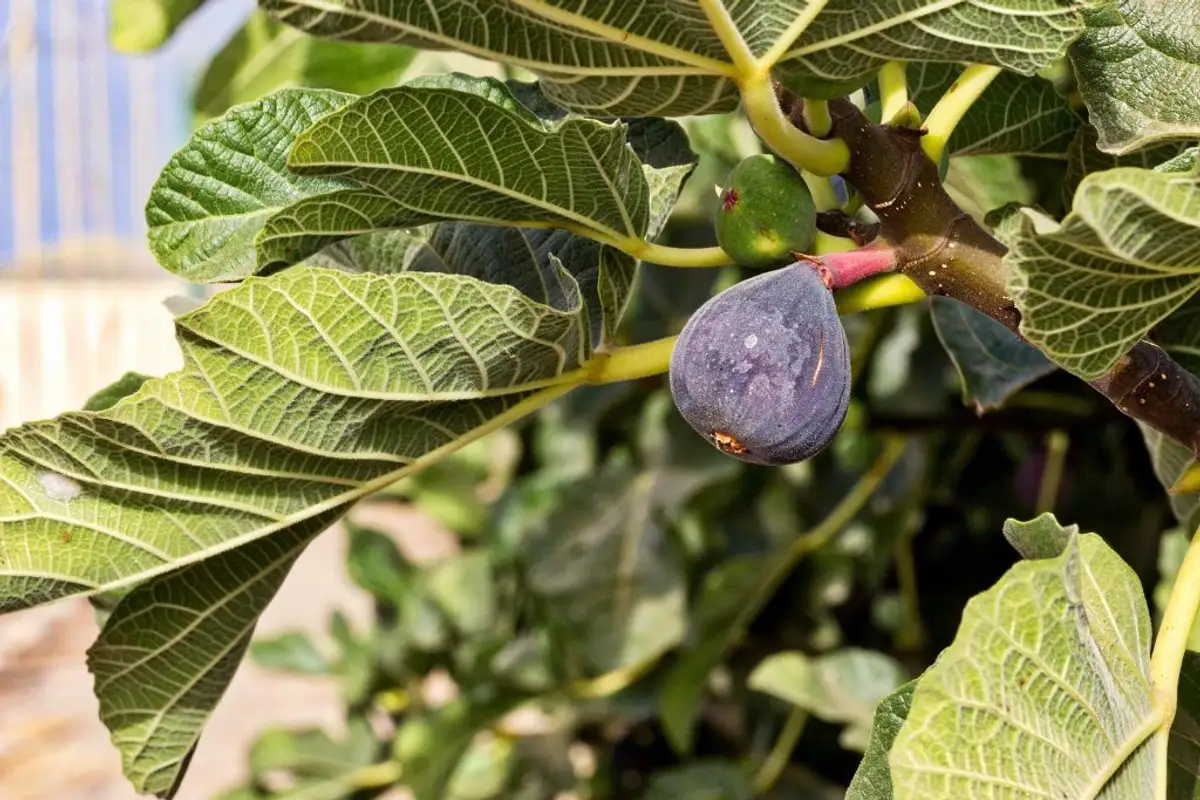
In our country, the fig tree can find favorable growing conditions, with cultivation being recommended in warm areas with a low risk of frost (temperatures should not drop below -12˚C), such as the western part of the country or the Black Sea coast. If temperature requirements and cultural technology requirements are met, you can have abundant harvests in your own garden.