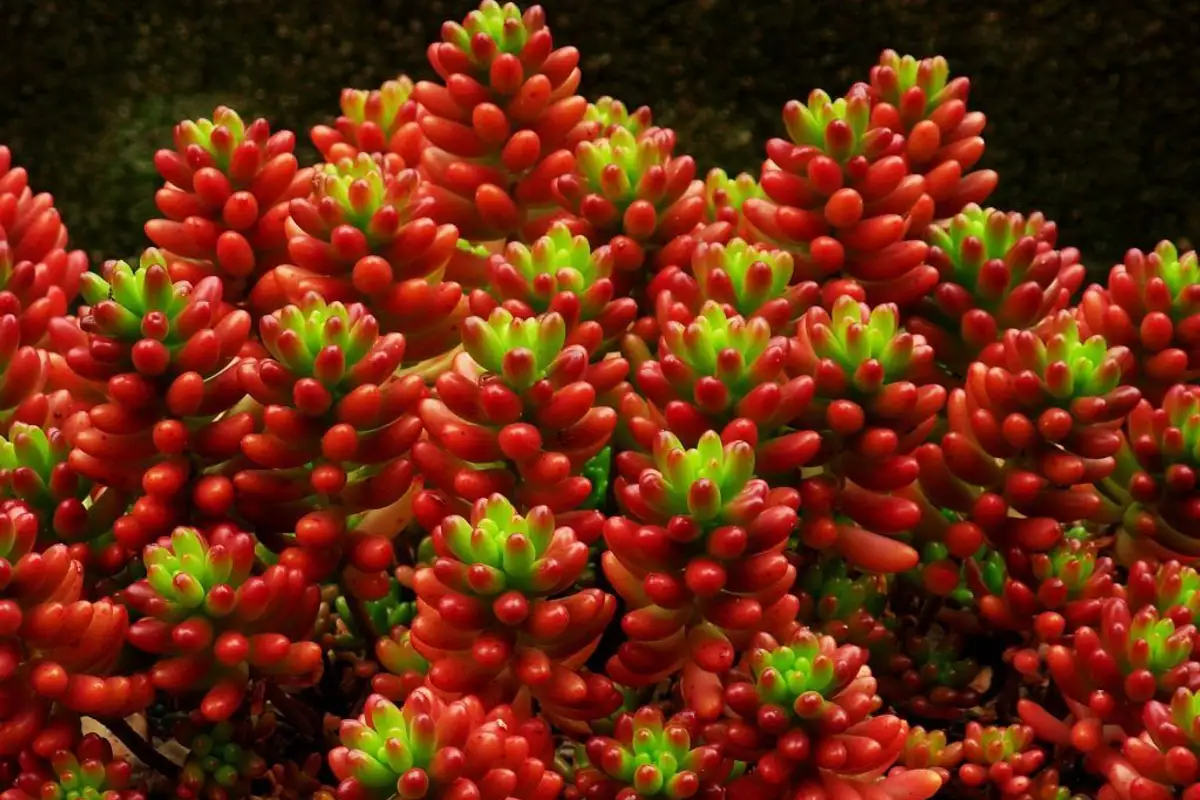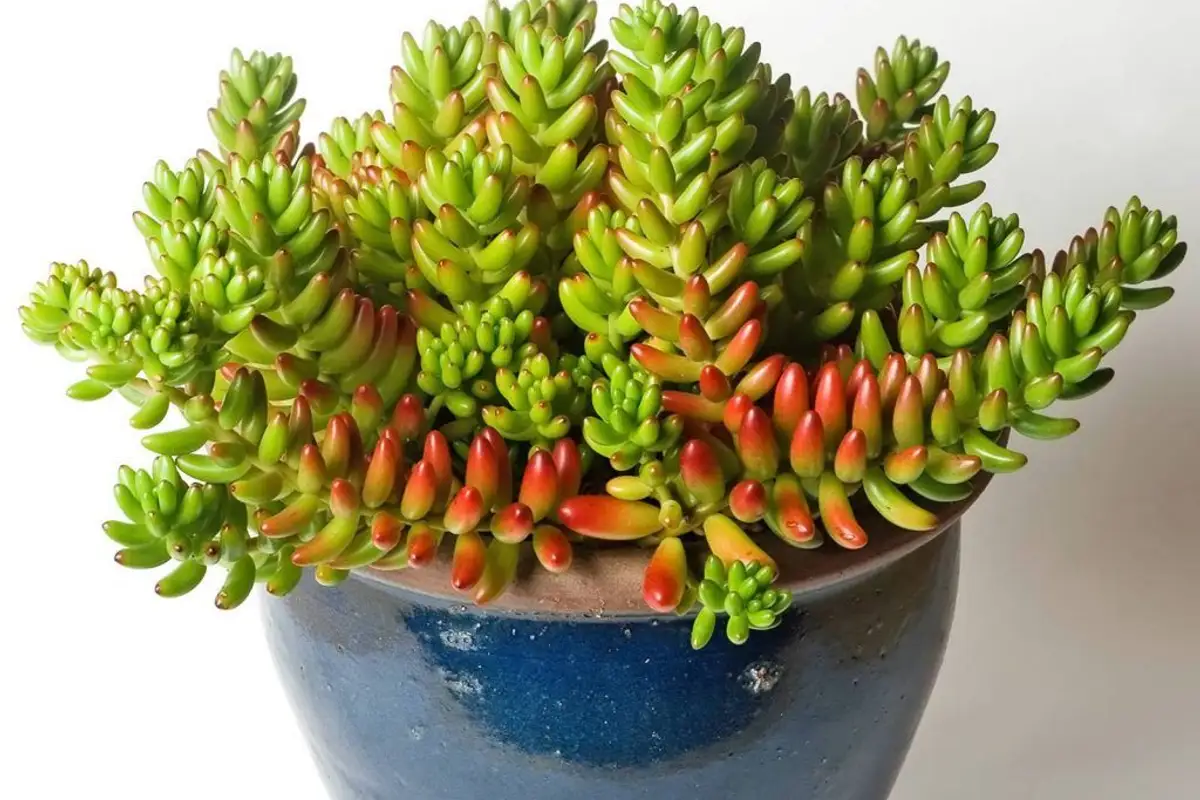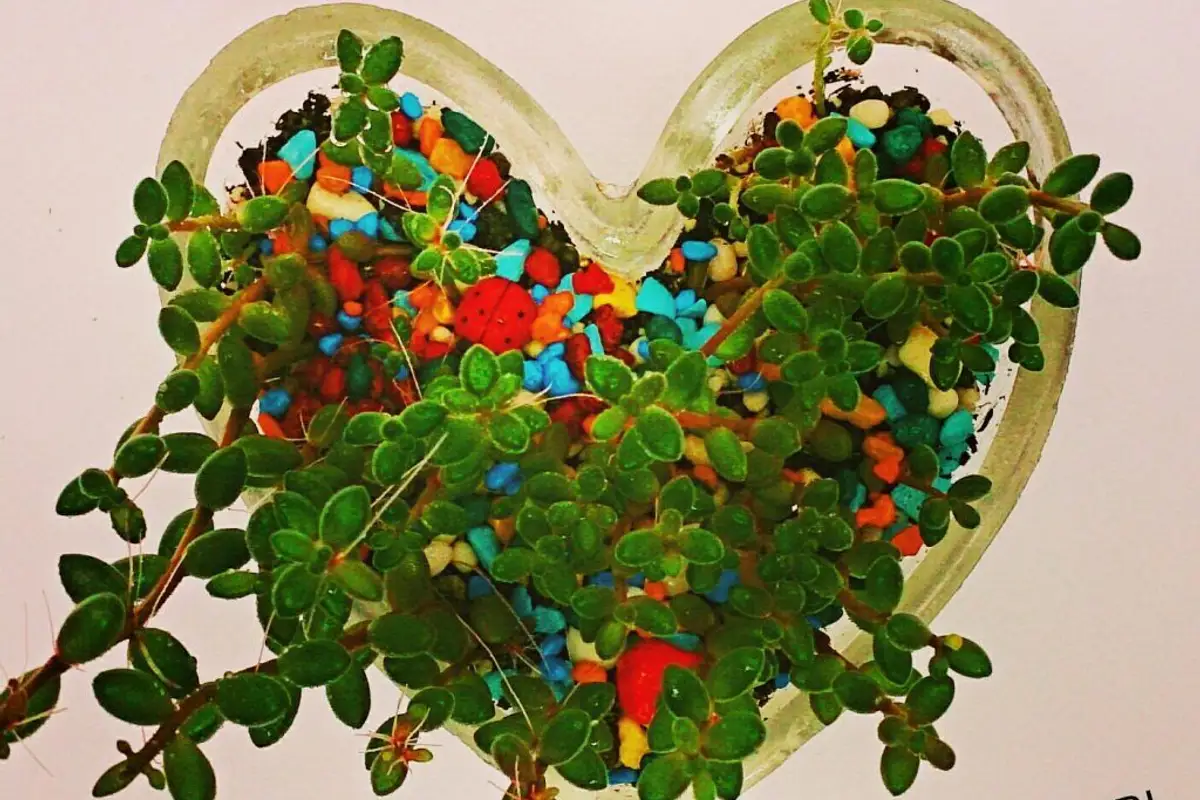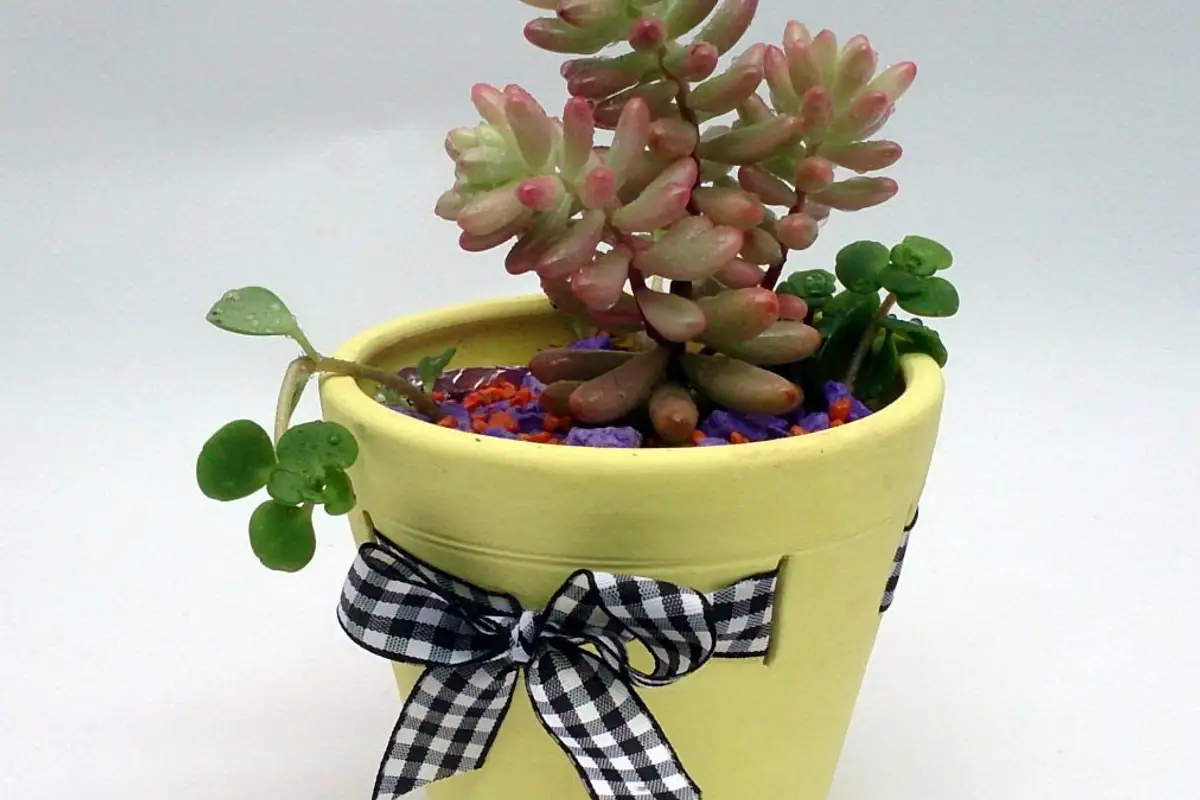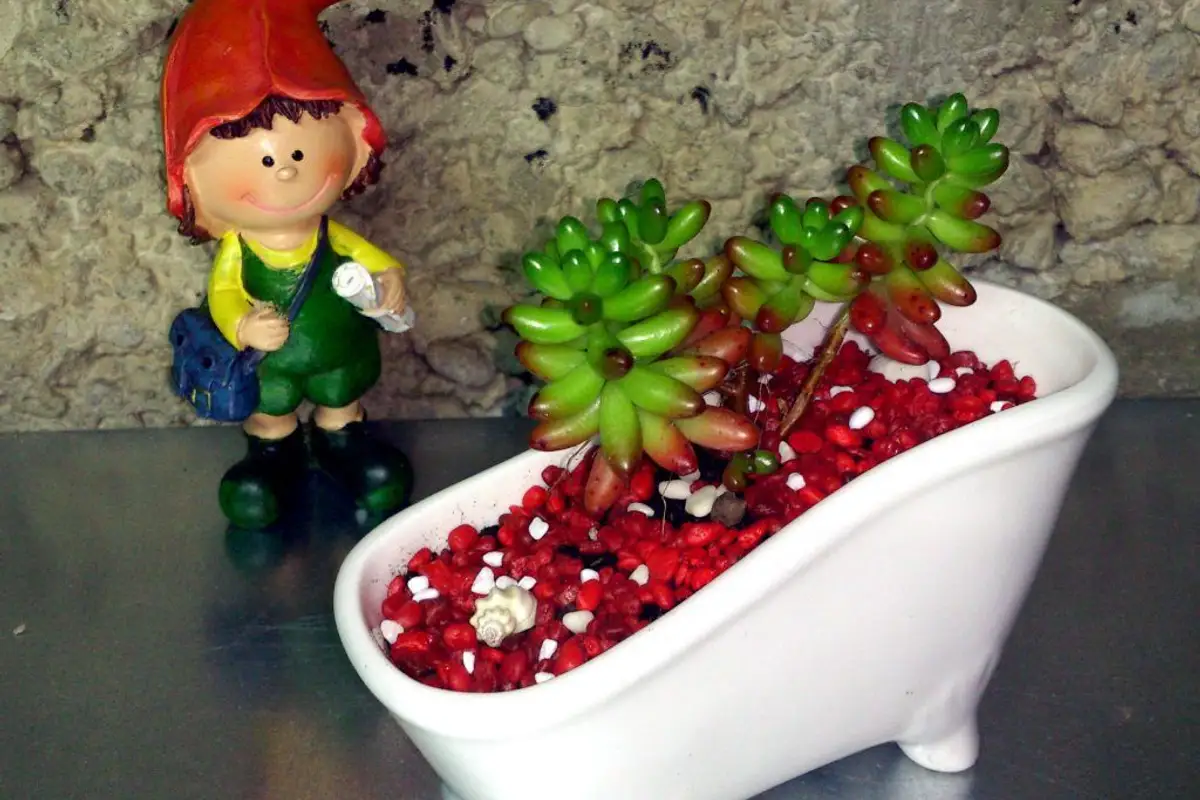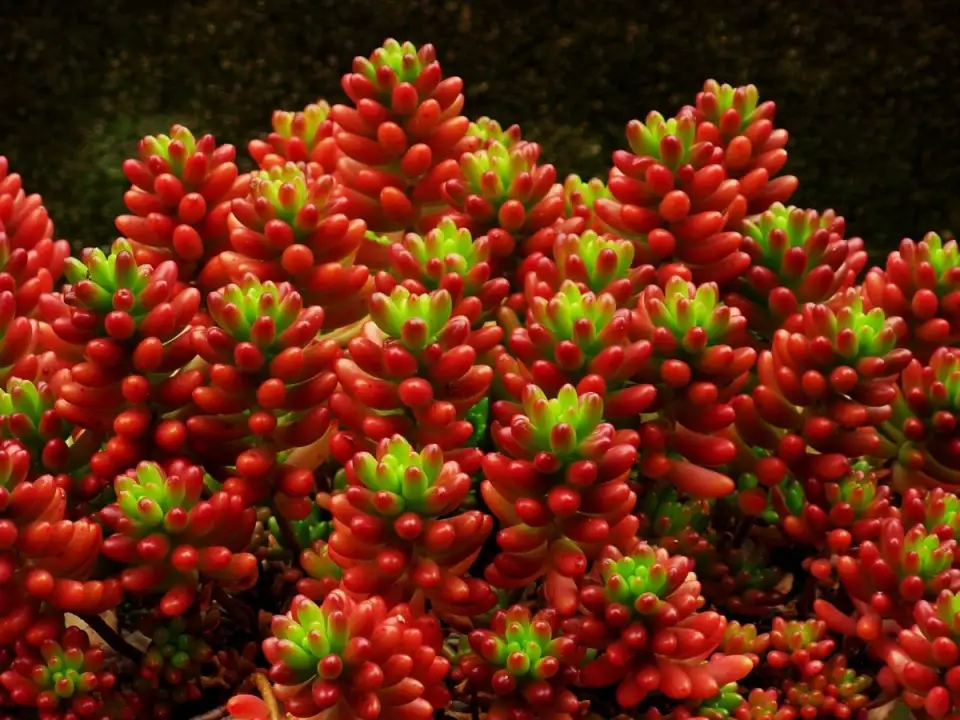
Sedum Rubrotinctum is a succulent highly appreciated for its appearance, which is why we use it quite often in our landscaping designs. Other reasons for its admiration include: drought resistance and the plant's ability to change color depending on the intensity of light. It can transition from green to shades of red.
The family it belongs to is Crassulaceae / Genus: Sedum / Species: Rubrotinctum S.Rubrotinctum. This succulent plant is also known as the "jelly bean plant" or "banana cactus," and is native to Mexico.
S. Rubrotinctum is a succulent plant that does not require very rigorous care and can be exposed directly to sunlight.
Sedum Rubrotinctum is a plant that grows in the form of a bush (height 15-30 cm) and spreads on the ground. It needs a sandy soil mix or a cactus mix.
Watering should be done regularly, spring and summer, 1x/10-14 days, depending on the planting location. Do not allow the pot to sit in a basin of water. Let the soil dry completely between waterings.
Read also Succulent plants: Crassula Ovata (Money Tree)
Fertilization: use fertilizer 2-7-7, a special blend of minimal nutrients formulated specifically for desert plants. Follow the instructions on the fertilizer packaging.
If Rubrotinctum is planted in a pot, it should be moved during the winter to a cooler and shadier area, especially between November and March.
Plants produce yellow flowers in late winter or early spring.
Propagation: The leaves break off quite easily. Place the broken ends of the beans into the soil. Roots will form in approximately 5-6 days.
WARNING! Some parts of this plant are poisonous if ingested.