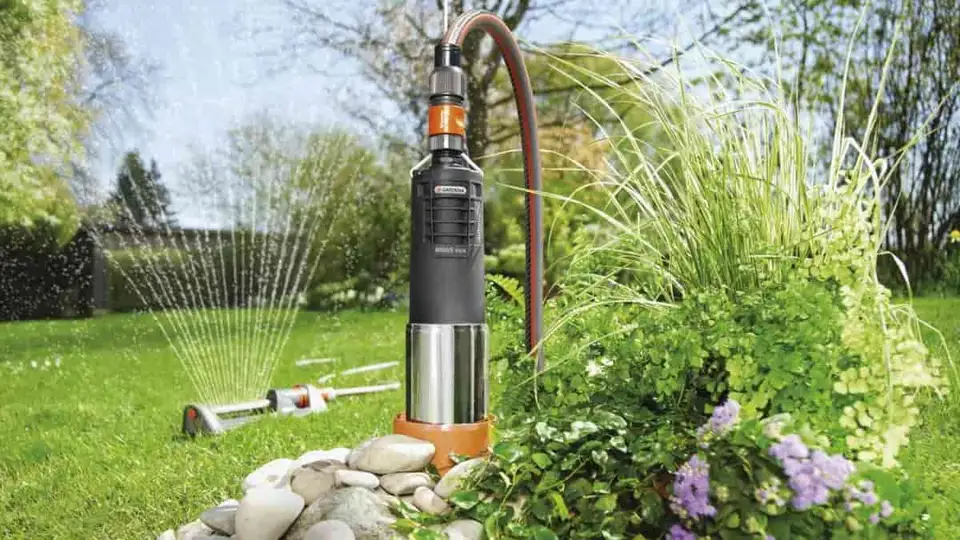
A submersible household pump, as the name suggests, is designed to be immersed in water. It is typically used to pump water from wells, ponds, or small wells, such as those used in households, gardens, or farms.
On the other hand, there are industrial submersible pumps designed for use in much larger spaces, such as mines, artesian wells, storage basins, or sewage systems. These are larger than domestic models and are constructed from much more robust materials to withstand harsh conditions.
There are also pumps that can be controlled by computer and programmed to automatically stop or start depending on the water level.
6 benefits that submersible pumps deliver
Space Optimization
Submersible pumps are installed directly into the water table, meaning no additional exterior space is required for installation. For example, surface pumps must be installed separately from water sources, thus requiring a properly equipped technical room at ground level.
High energy efficiency
Another reason for the current high popularity of submersible pumps is their low energy consumption compared to surface pumps.
High sand resistance
Multi-stage submersible floating pumps are constructed from materials with high sand resistance and designed to operate optimally in water, resulting in increased durability over time due to the configuration of stages and clearance - the space between rotors and diffusers.