The fashion industry is one of the most polluting in the world, and its impact on the environment continues to grow at the accelerated pace of consumption. Fortunately, in 2025 more and more people are choosing to adopt a sustainable wardrobe — a choice that is not only ethical and responsible but also elegant and adaptable.
But what does an eco-friendly wardrobe really mean, and how can we build one without compromising our style or budget? Here are a few simple and effective steps you can integrate into your life immediately.
Invest in quality pieces, not quantity
The first and most important step towards a sustainable wardrobe is to give up impulsive shopping. Instead of buying many cheap clothes that deteriorate quickly, choose durable, well-tailored pieces made from natural materials.
For example, an organic cotton shirt or a pair of well-sewn linen pants can last for years and look impeccable even after many wears.
Tip: Think in terms of "cost per wear" – a more expensive item that is worn 30-40 times is cheaper in the long run than a cheap one that you wear twice and throw away.
Create a capsule wardrobe
A capsule wardrobe is a minimalist concept that involves a limited number of versatile pieces that are easy to combine with each other. The goal is to reduce excess and always have well-thought-out outfits at hand.
In 2025, capsule wardrobes are becoming increasingly popular, especially among busy people or those who desire a simplified lifestyle.
Basic example:
2 blazers
3 pants (jeans, office, casual)
4 basic t-shirts
2 classic dresses
1 midi skirt
2 pairs of versatile shoes
These pieces can offer you dozens of combinations without feeling limited in options.
Opt for sustainable brands
Currently, more and more brands are taking ecological responsibility: they use recycled materials, avoid toxic dyes, and support ethical working conditions.
Look for labels such as "organic," "Fair Trade," "recycled materials," or "PETA-approved vegan." Many local brands also offer high-quality products made in limited series with respect for the environment.
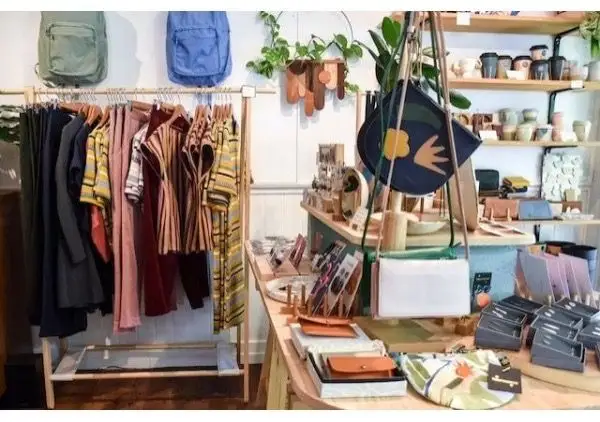
Suggestion: Explore designer markets and artisan workshops. Not only will you support the circular economy, but you'll also have the chance to wear something truly original.