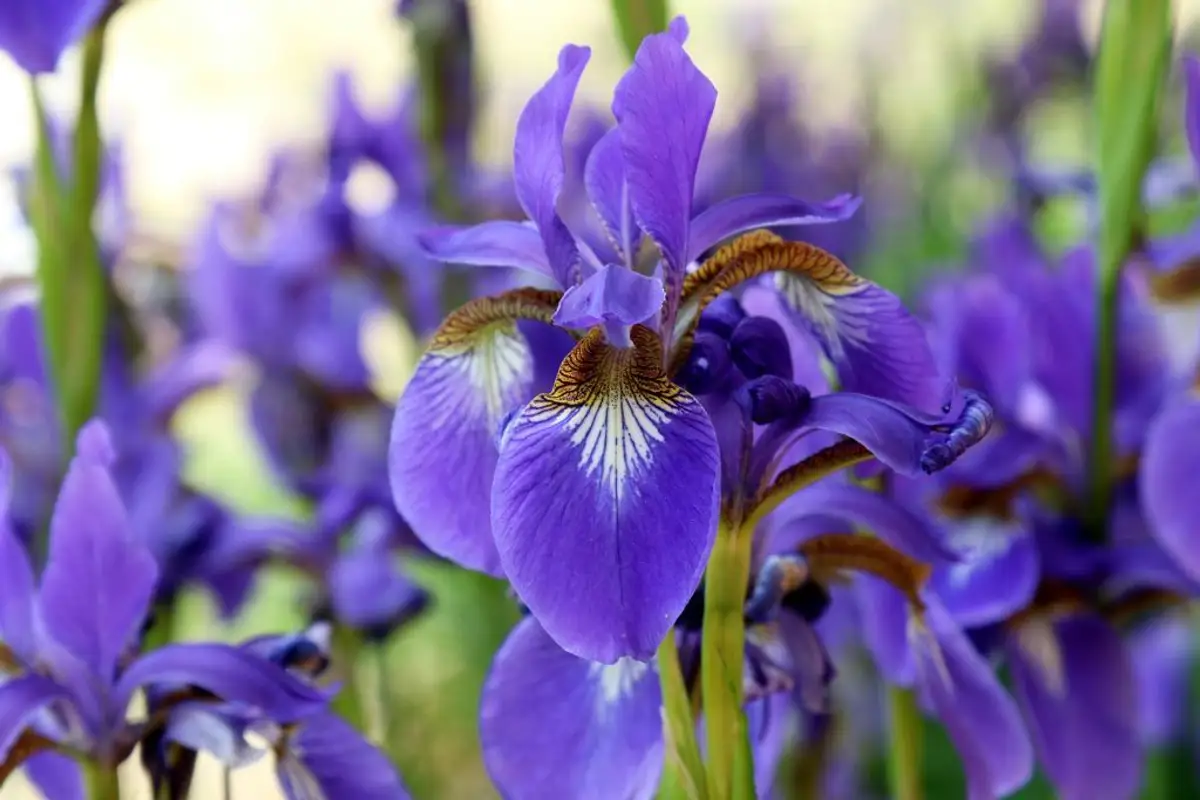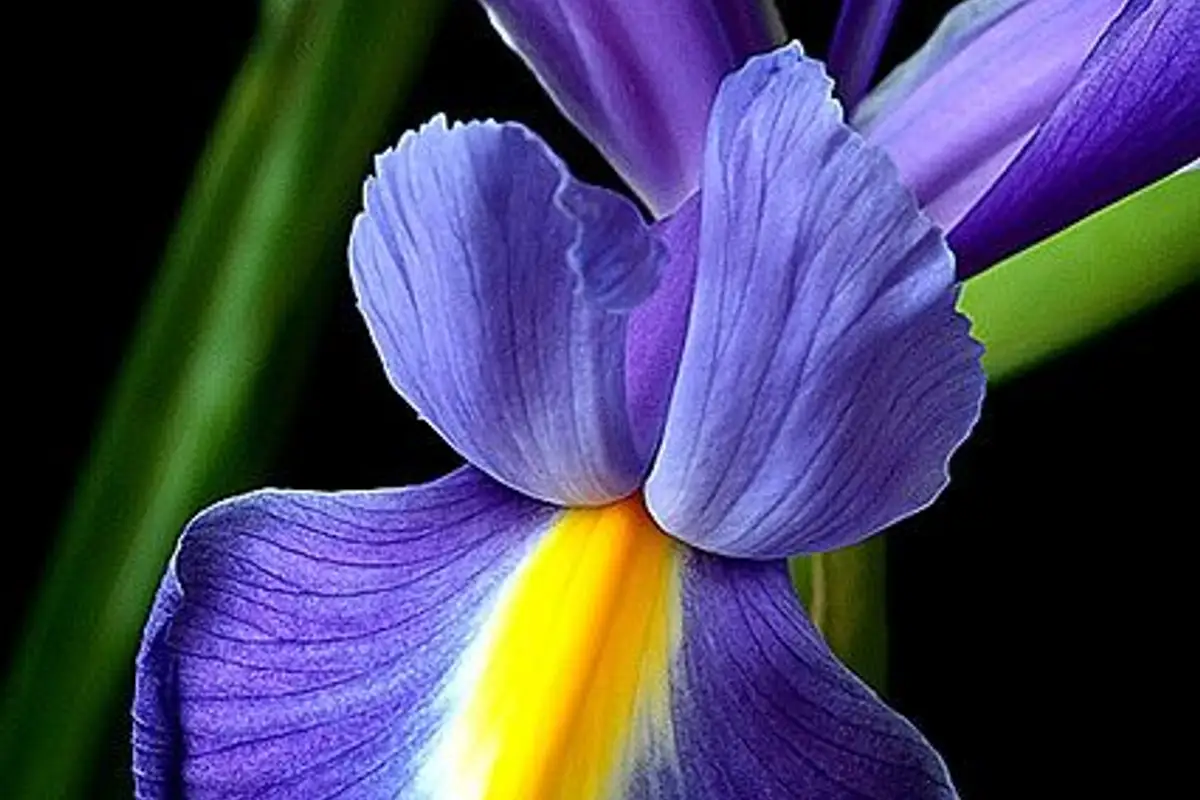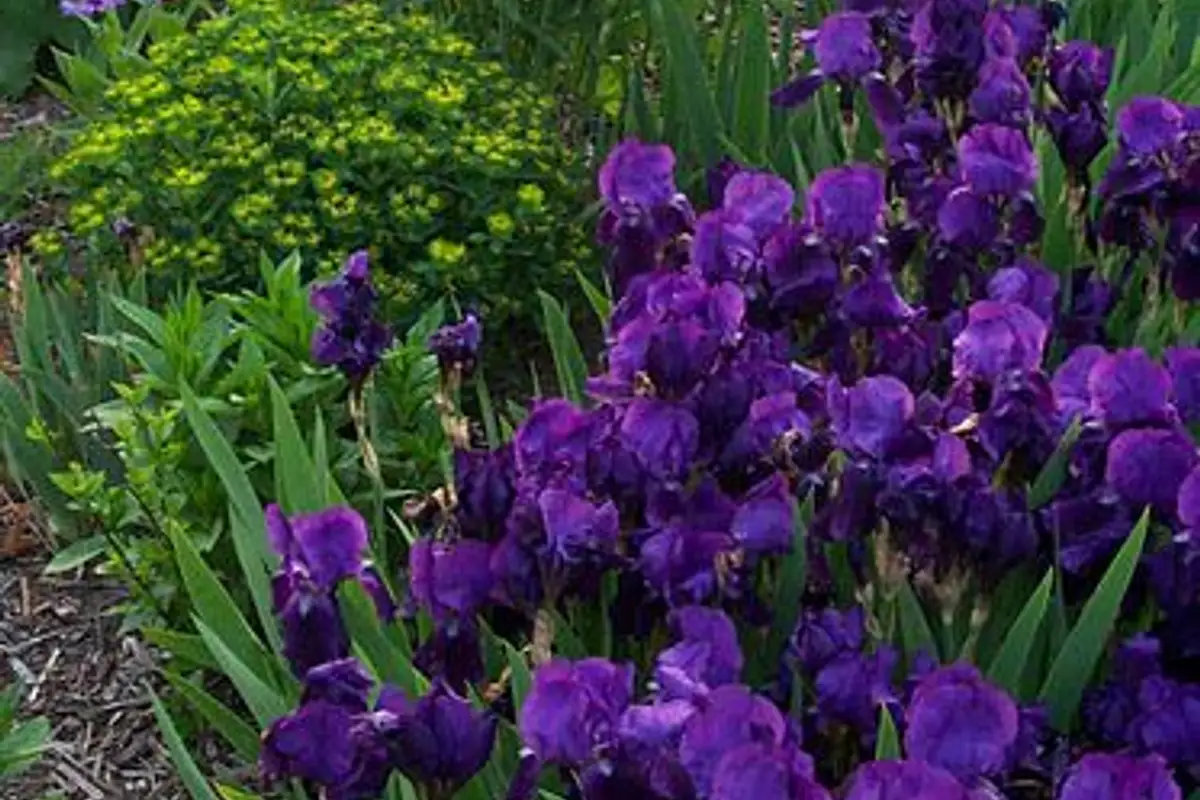
The Iris is a charming plant, appreciated for both its intense colors and the pleasant fragrance it spreads around. These varieties of plants can be easily cultivated anywhere garden They can be placed in pots on terraces or even balconies, and if properly cared for, they can beautify the décor for years to come.
Varieties
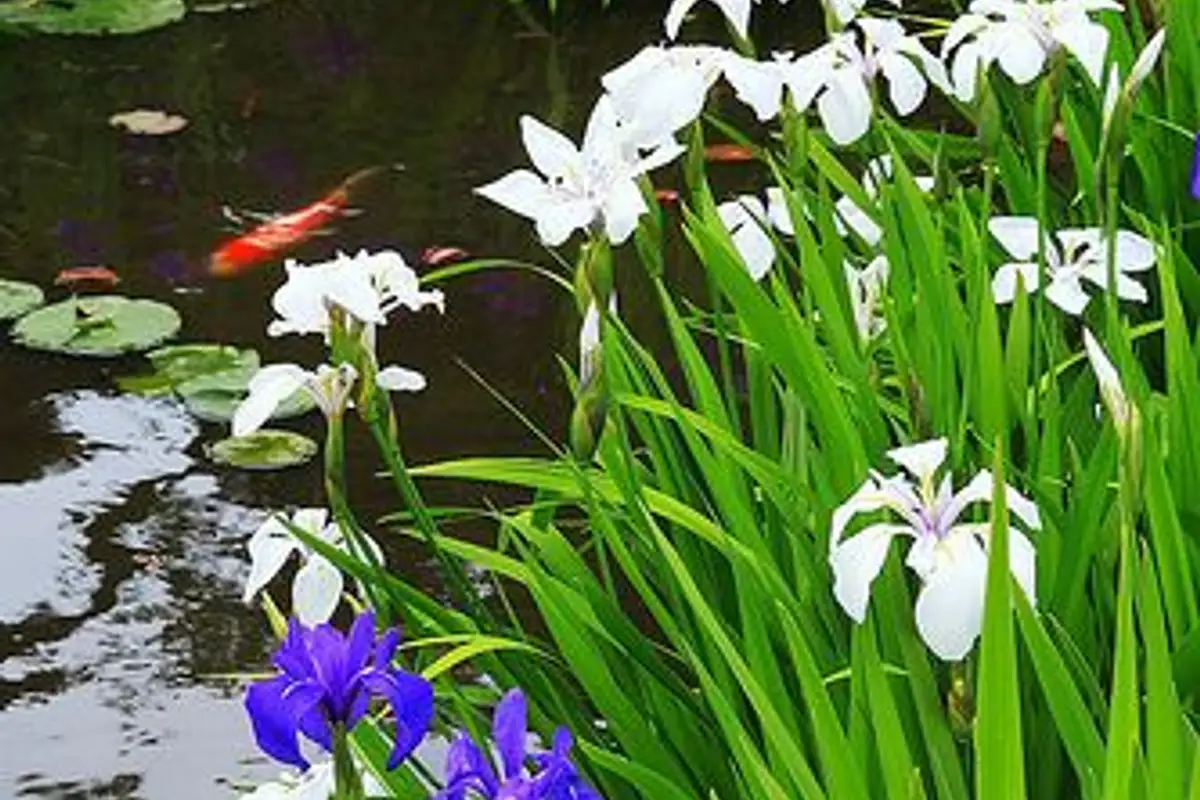
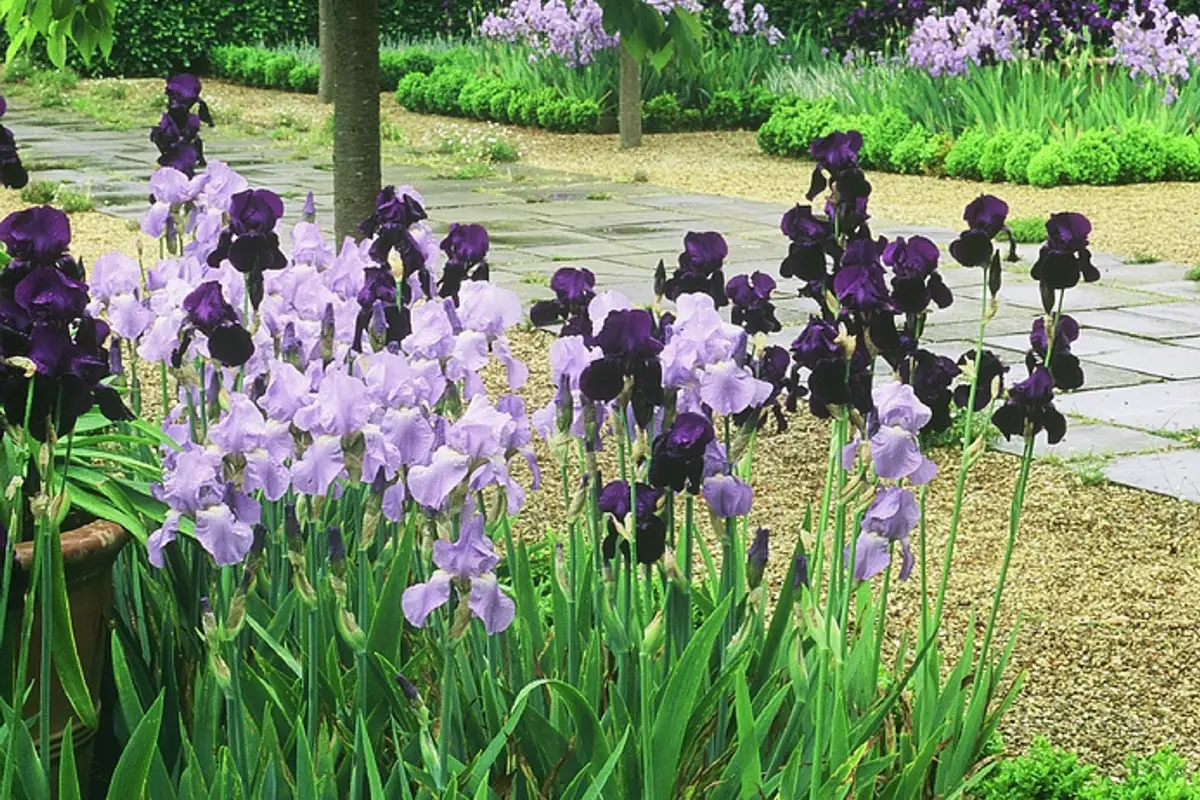
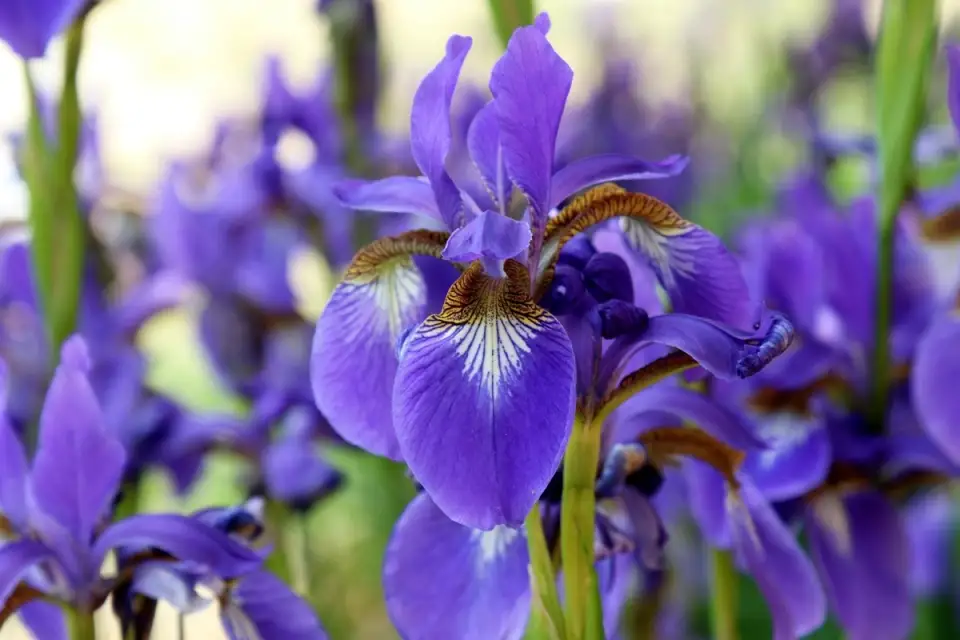
There are hundreds of iris varieties whose flowers can be found in many colors, from blue and purple to white and yellow, pink and orange, brown and red, or even black. The natural habitat of irises is quite extensive. Some species can be found even in the desert while others thrive in marshes.
Cultivation and Care of Irises
Iris multiplication is done through rhizomes (bulbs). The optimal planting period is between late July and September, and this should be done as close to the soil surface as possible, at a distance of 30-40 centimeters to allow them to multiply.
Seed propagation is less common and is only used when aiming to obtain new varieties.
Watering should be done regularly only if the soil becomes very dry, as irises do not like excess moisture. Planting should be done in a sunny location; this helps the iris to bloom, and flower development will be more harmonious and faster if fertilizer is added once a month.
Irises, if well-maintained, will bloom annually. To encourage a second bloom in the same year, faded flowers should be removed and the plants watered regularly during summer. It is also important to ensure they are not surrounded by weeds, as these retain moisture and can negatively affect flowering.
Diseases and Pests
Irises are not prone to many pests and diseases. A common problem is root rot caused by poorly drained soils. Therefore, it is crucial to prepare the beds well, loosen the soil, and ensure a normal moisture level.
Read also Petunia, a flower that colors your summer days.