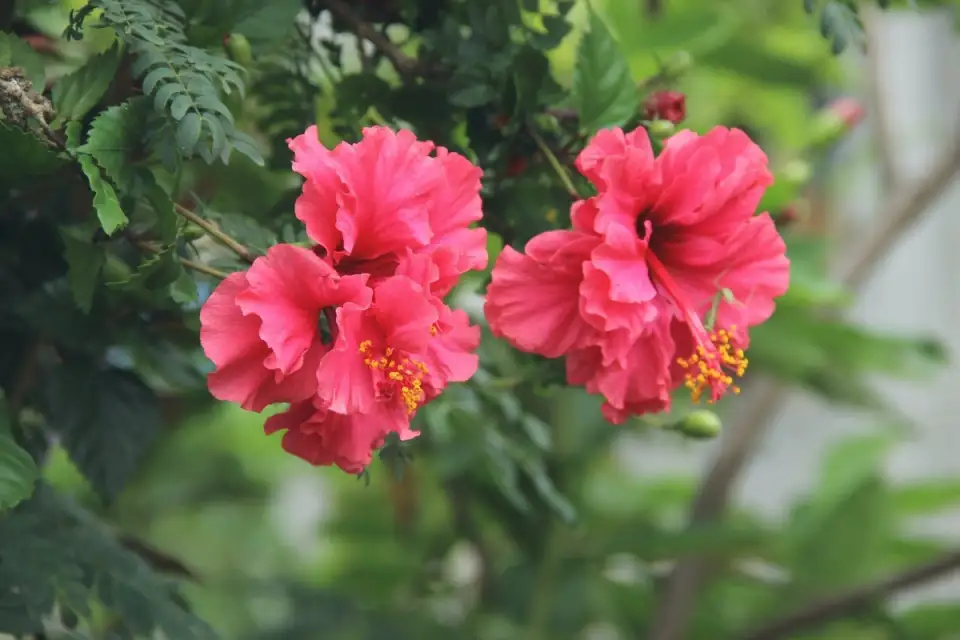
Known in Romania as Japanese Rose, the elegant Hibiscus Rosa-Sinensis plant is actually native to China and widespread in the natural environment across a vast tropical and subtropical area of Asia. It was brought to Europe at the beginning of the 18th century, being kept by nobility in greenhouses and later cultivated as a houseplant.
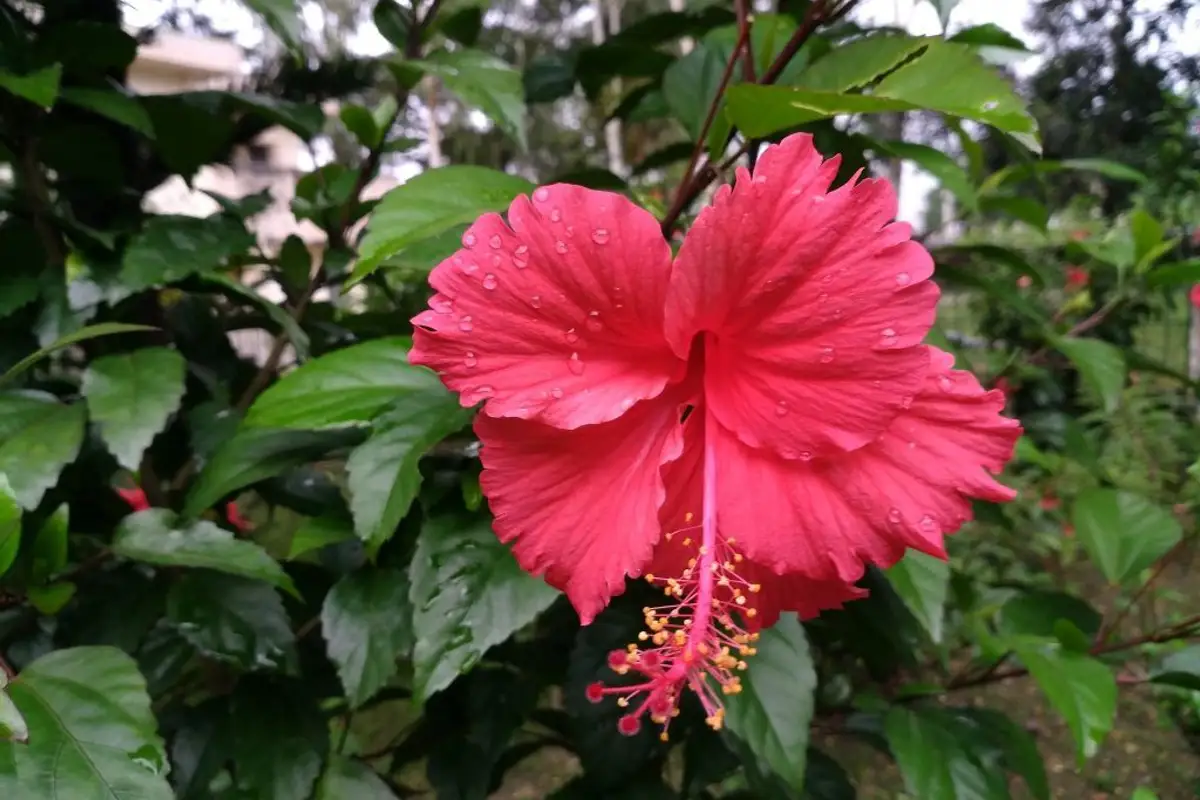
Who hasn't been enchanted by the trumpet-shaped flowers, the petals like the folds of a ball gown of this species, or its enchanting colors of passionate red, yellow, or white with a burgundy interior?
The Japanese Rose brings color and life to any apartment when provided with favorable growing conditions and care that takes into account the needs of this charming exotic plant.
If you are tempted by the beauty of this hibiscus species, in this article you will find all the necessary information about its cultivation and care, to have a prolonged flowering period and healthy leaves all year round.
From the wilderness of the tropical zones of Asia to the apartments of Romanians
Today it is easy for houseplant lovers to buy their favorite plant species from DIY stores, florists, and hypermarkets. However, decades ago, during the communist period, it was difficult to find a potted plant to beautify the existence of apartment dwellers in gray cities.
Housewives would ask each other for cuttings and shoots and cared for the plants multiplied in this way with great love, which became sources for other plants in other homes eager for beauty. The Japanese Rose was often "hunted" for its spectacular flowers and glossy, shiny leaves.
The plant grew and branched out, reaching the size of a shrub up to 2 meters high, a lively and cheerful presence, respected even by the pranks of mischievous children.
Whether the love for houseplants has been passed on to younger generations or whether the desire to grow a Japanese Rose stems today from an inclination towards beauty or practical reasons for refreshing the air in the home by adding a living element that purifies the atmosphere with its presence, interest in Hibiscus Rosa-Sinensis has increased in recent years.
The large, intensely colored and impressively structured flowers, with their prominent pistil, waiting as if for the flutter of a hummingbird's wings, are impossible to ignore. With proper care, flowering can last for several weeks, as the buds open progressively and the plant can produce many.
Hibiscus Rosa-Sinensis blooms mainly in spring and summer, with a short hibernation period due to shorter days and lack of natural light during winter. The flowers can be up to 12 cm in diameter, with vibrant, varied colors, one or two rows of petals.
How to care for the Japanese Rose
Soil
If we think about the natural environment of the Japanese Rose, we will have the image of a warm place, with moderate temperature and no major variations, with moist soil rich in nutrients. This is what our tropical hibiscus grown in a pot also needs. The soil must contain peat, be sufficiently loose so that water does not stagnate and affect its roots.