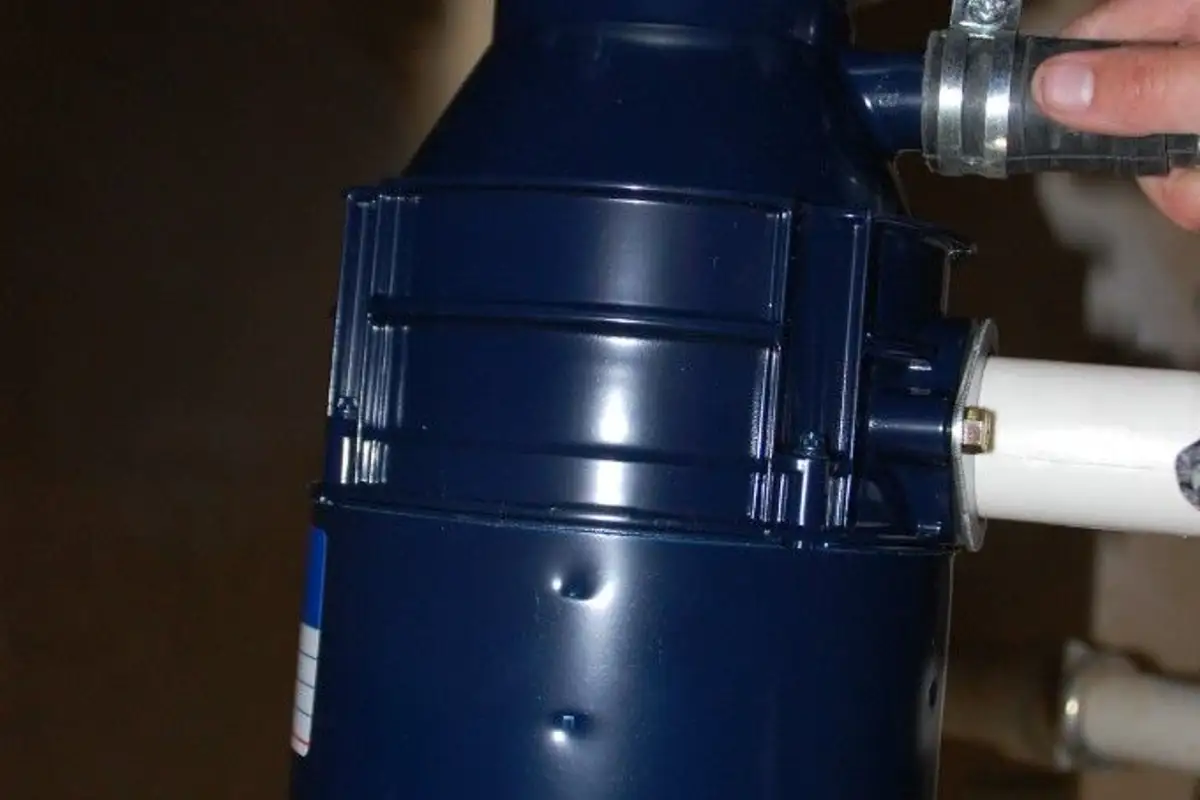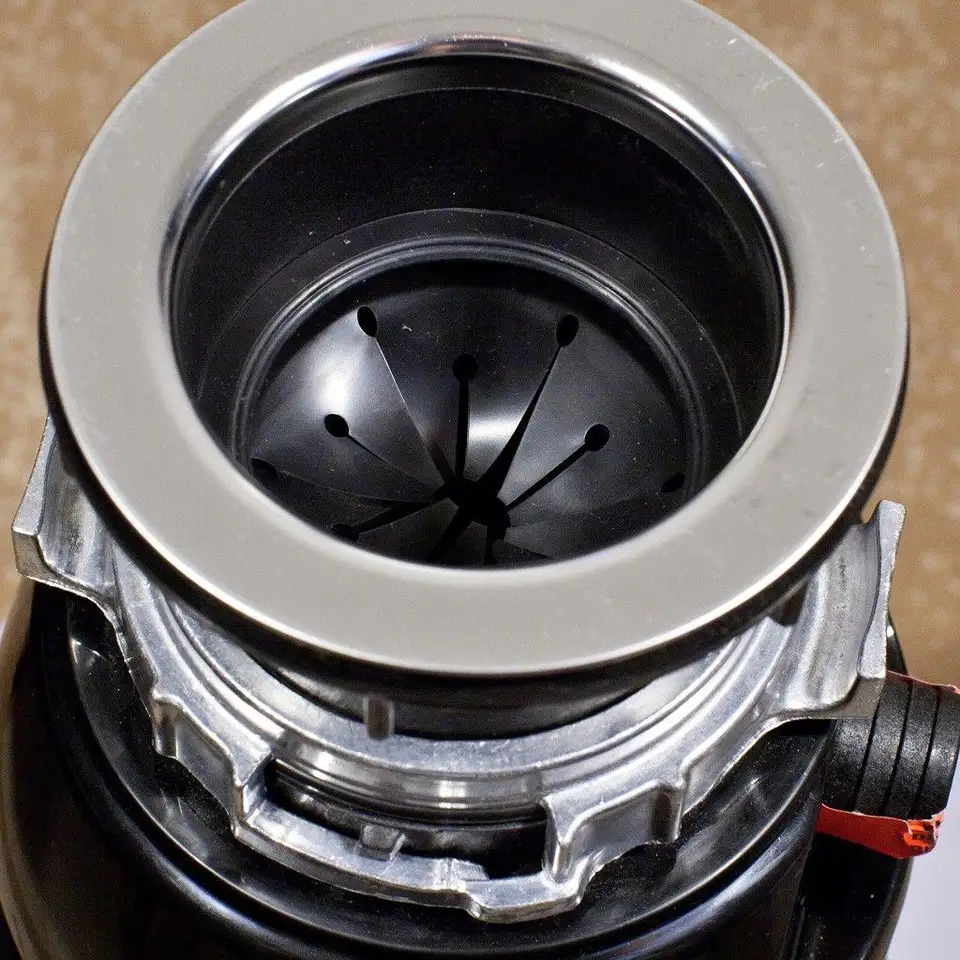
Without a doubt, the kitchen waste disposer is an indispensable device for any modern kitchen. Food waste accounts for 10 to 20% of household garbage; in this case, the disposer is an alternative vironmentally friendly given that food waste expansion remains a problem for which solutions are being sought.
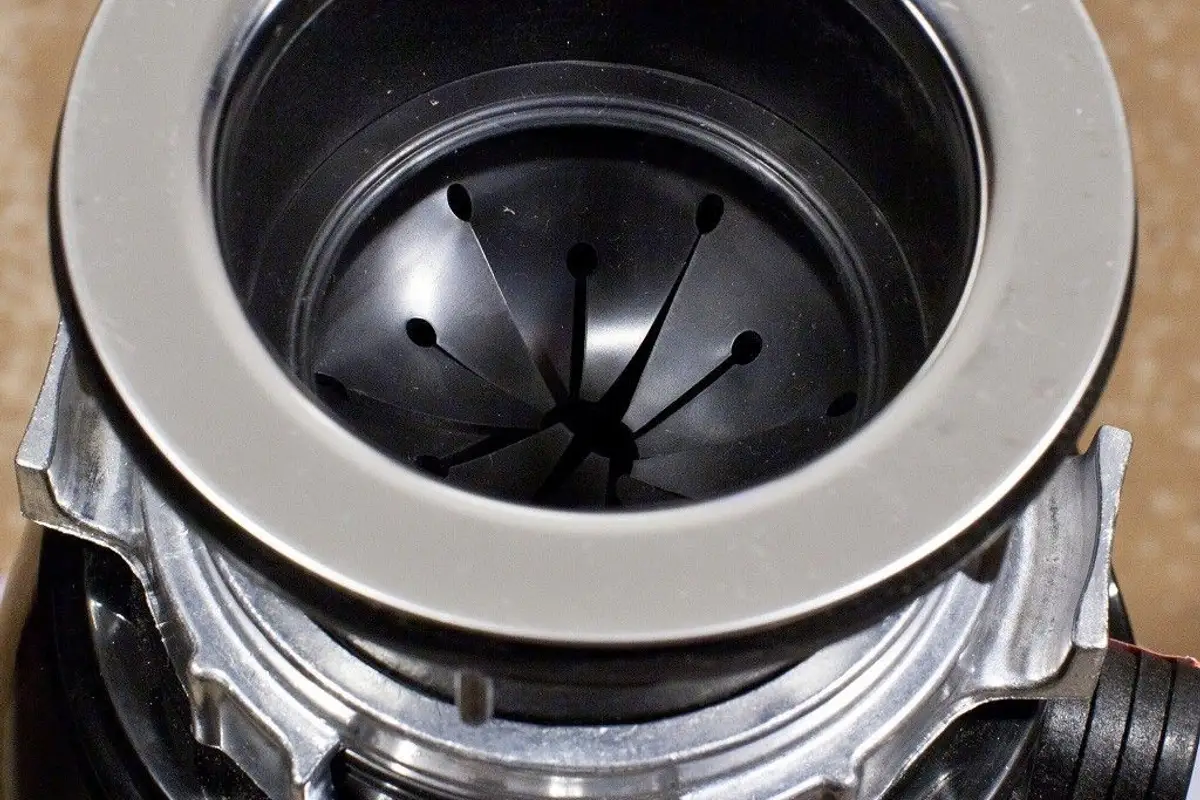
Open the Gallery This equipment is mounted under the kitchen sink's protective cover. The device is attached to the drainage system and, together with the water, food waste is chopped and then eliminated. Simply turn on the cold water, put the food waste in the sink and push it towards the drain opening.
This will prevent you from having to take out the trash so often due to odor.
The waste disposer can also provide some convenience. If you have a sink with leftover food scraps after washing dishes: say, roasted potatoes, meat scraps, watermelon rinds, or other products you want to discard, you just need to push and pack these remnants into the drain opening and they will be chopped and evacuated.
The chopper grinds almost all food waste, including bones and nut shells, so you don't have to worry about not being able to get rid of these scraps.
Another advantage of the chopper is that it reduces the amount of waste, meaning less garbage will be deposited in landfills. This partially solves the problem of landfills filling up faster and faster as the number of urban residents increases.
The waste disposer can also have some quiet operating options. This means that even when it's grinding bones, for example, the noise produced is not loud enough to disturb someone in an adjacent room or even bother the person at the sink using the disposer.
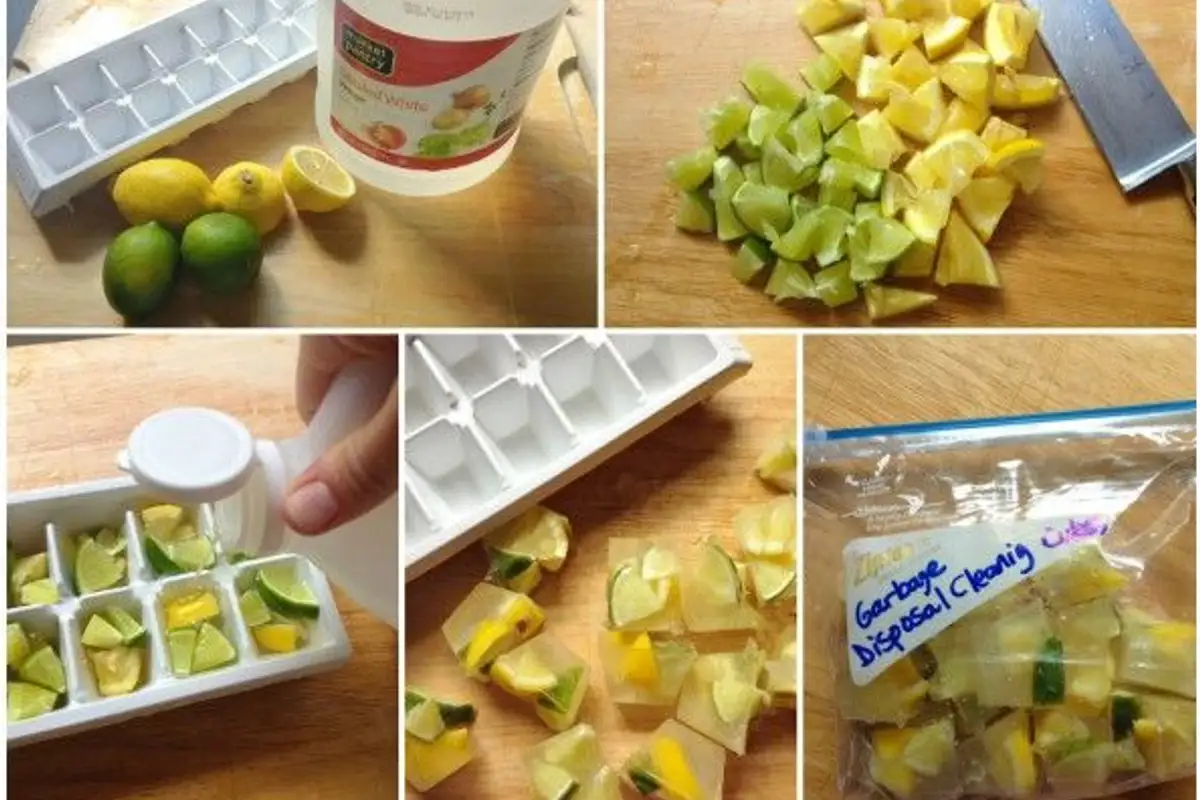
Unpleasant odors that may appear after a certain time can be removed by using one or two bags of ice cubes or two lemons cut into pieces.