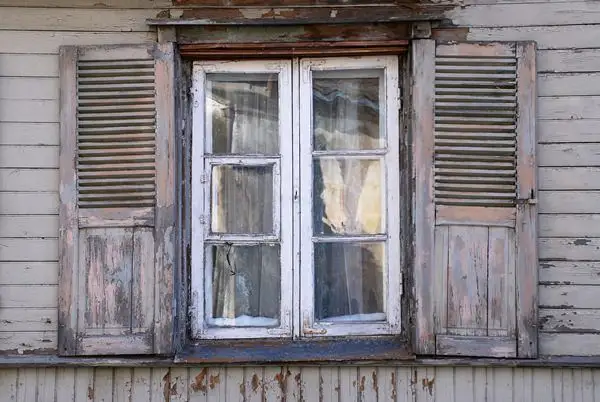
Old windows lose a lot of heat in the winter and let warm air in during the summer.

Replacing them costs money, but you can improve insulation with simple solutions that reduce energy loss by 30-40%.

Checking for problems

Run your hand along the window frame and around the joints between the frame and the wall. If you feel a draft, you need insulation. Light a candle and hold it near the window. The flame will move if air is entering somewhere.

Check the condition of the glass as well. If you have single glazing, the losses are high even if the rest of the window is well sealed. Look at the rubber seals. If they are cracked, dry or missing, they need to be replaced.

Sealing gaps

Buy adhesive tape made of rubber or silicone from any DIY store. Clean the surface where you will stick the tape thoroughly, removing dust and grease with alcohol. Apply the tape to the fixed frame, where the sash closes. Press firmly so that it adheres evenly.

For larger spaces between the frame and the wall, use polyurethane foam or acrylic filler. Clean the joint of dust and old paint. Fill the space with foam, but don't overdo it as it expands a lot. Let it dry completely, then cut off the excess with a knife. Cover with acrylic filler which you smooth with a wet finger.

Improving glass insulation
If you have single glazing, stick thermal insulating film on the inner frame of the window. Modern films are transparent and don't stand out too much. Clean the glass and frame, apply double-sided adhesive tape to the frame, stick the film on and stretch it well. Use a hairdryer on the lowest setting to remove wrinkles. The film creates an air layer between itself and the glass which insulates better.

Another option is to install a secondary glazing pane on the inside. Buy aluminum profiles and 4 mm glass, cut them to the size of the window and mount them with screws. This gives you an improvised double-glazed window that works well.

Curtains and blinds

Thick curtains help more than you think. Choose lined models or those made from dense materials. Mount them as close to the wall as possible and let them hang all the way down. At night, draw the curtains; during the day, open them to let the sun warm the room.

Exterior blinds reduce heat loss in winter and block heat in summer. Mount them on the outside of the window, as close to the glass as possible. The version with adjustable slats is the most practical.

Maintenance

In spring, check the seals and adhesive tape. Replace anything that has deteriorated. Clean the windows and check if the thermal insulating film is still well stuck. Paint wooden frames with special paint that protects against moisture.

Also check the window hinges. If the sash no longer closes tightly, adjust the screws or replace the hinges. A window that doesn't close properly loses heat regardless of what insulation you have put in.