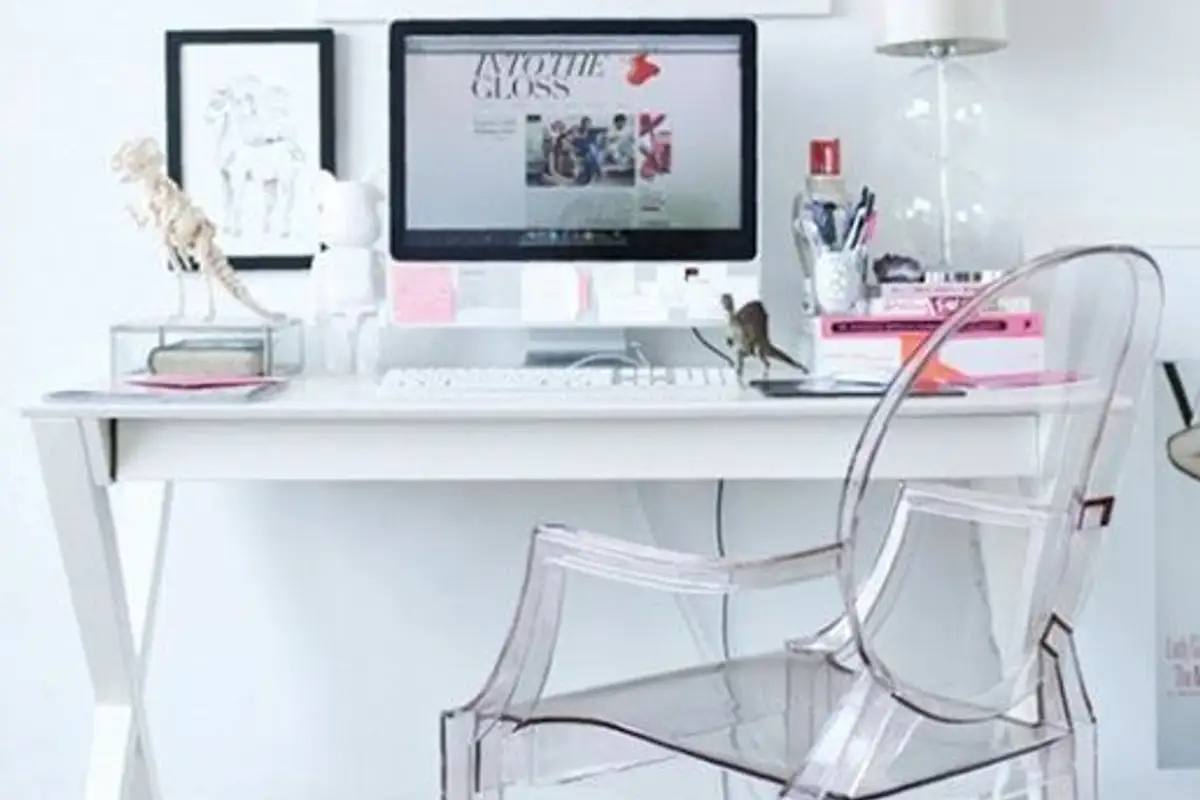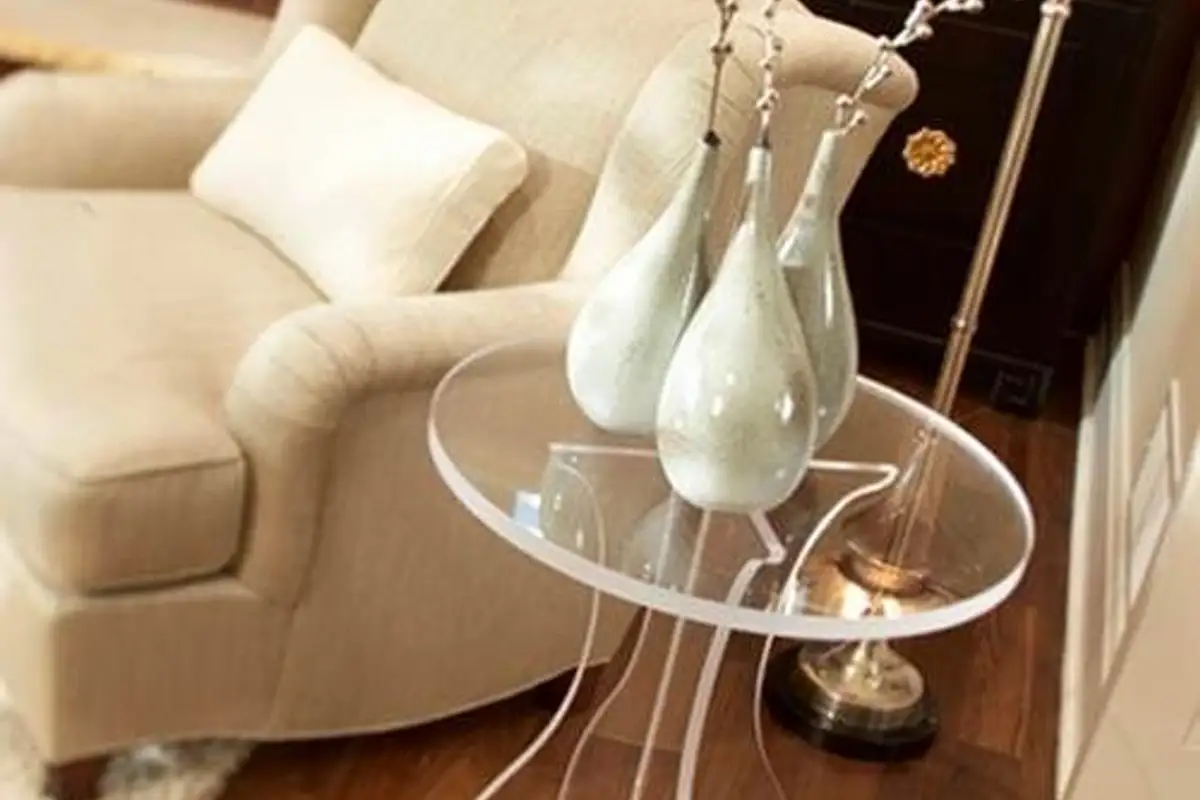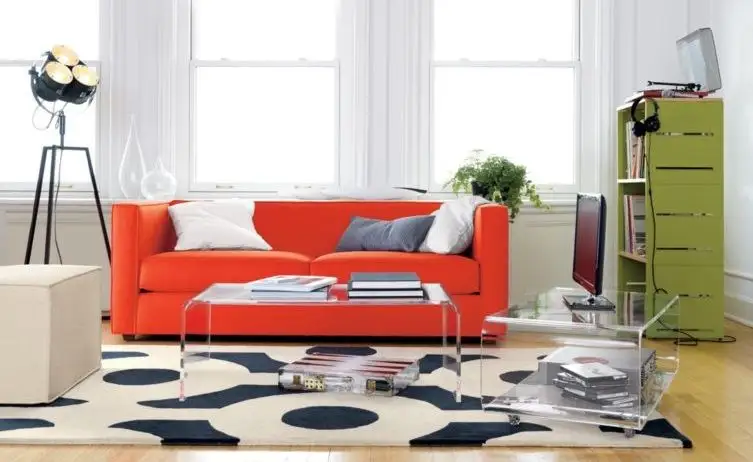
In small homes, the need for space and as much light as possible is keenly felt. Most face difficulties in finding the necessary resources to optimize them. There are methods by which the features of small dwellings can be highlighted and, above all, made more efficient through careful selection of furniture and other decorative items.
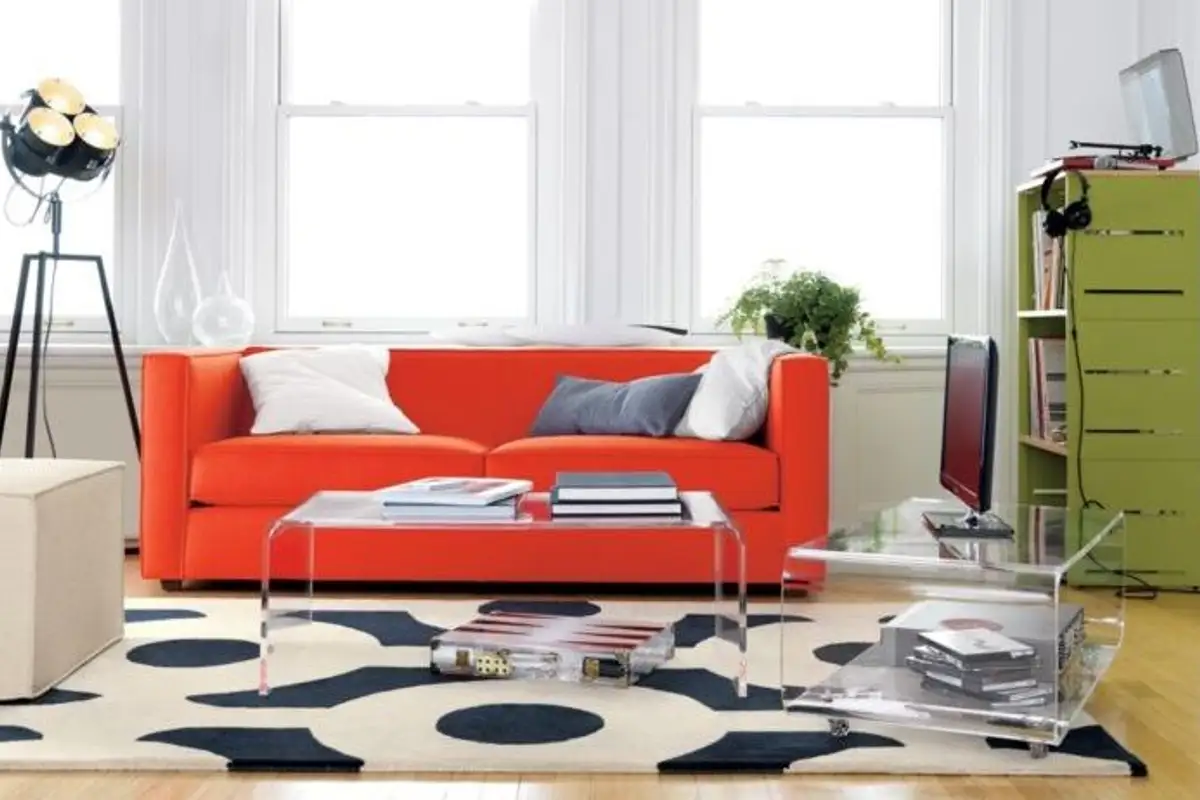
The GaleriaMobilierul transparent is part of the smart choice category. When we talk about transparent furniture, we are specifically referring to pieces made from materials such as plexiglass or acrylic, whether we're talking about coffee tables or chairs. The structure and especially the transparency are essential characteristics that make this type of furniture ideal for small spaces.
Furthermore, these materials will highlight the décor's alignment with modern trends.
Daniela Truta, specialist at Design Chapter, explains that plexiglass is part of the thermoplastic resins category and the acrylic resins subcategory: "It is a brand, in fact one of the most well-known in the plastics industry. Stiplex and Lucite are also part of the same category as Plexiglas.
One of its main qualities is resistance to an impact approximately 30 times greater than a glass pane of the same thickness, while also being twice as light as glass.
Plexiglas is a well-known substitute for glass, borrowing from its elegance and beauty.
Designers are turning to transparent furniture, leveraging its qualities to create more spacious, airy, and luminous homes. You practically get the feeling that the object doesn't exist, your eye perceiving a less cluttered room.
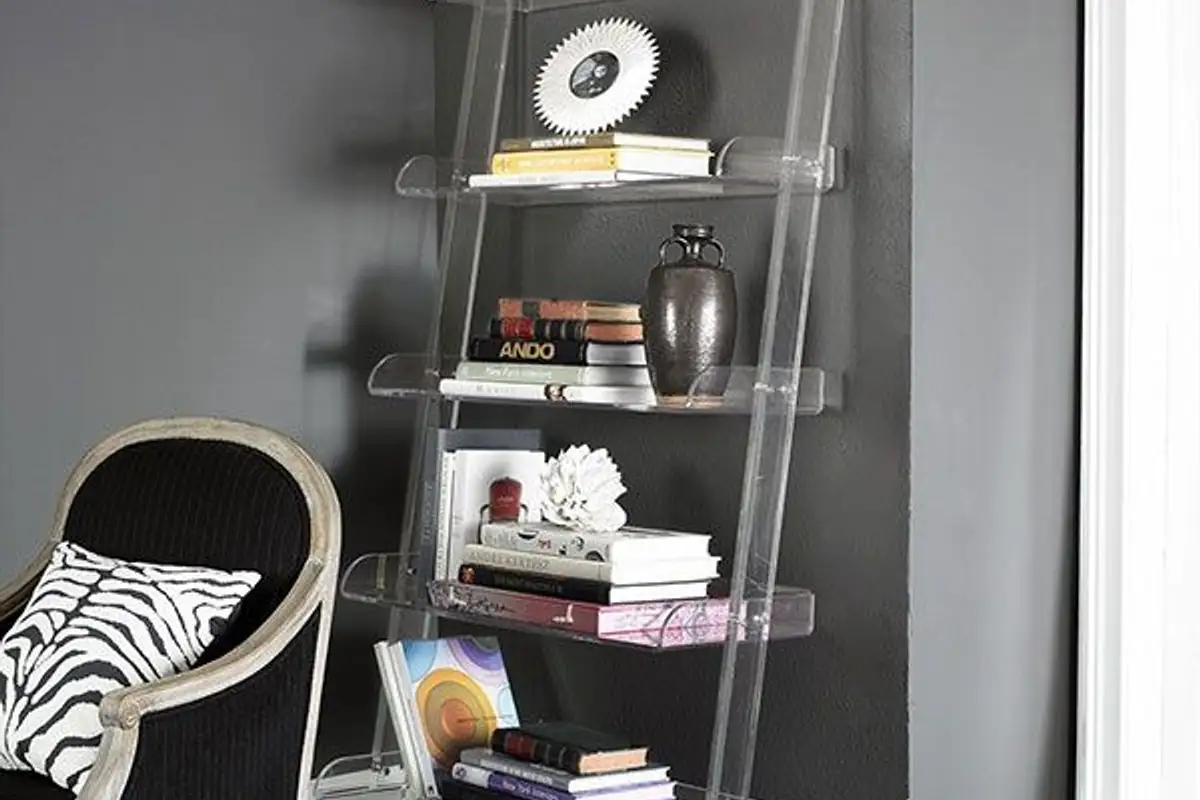
For example, some floating plexiglas shelves on which we will place books or other decorative objects will create the impression that they are floating, creating a unique visual effect, especially if the wall has a dark color, or, conversely, if the objects on the shelves are very colorful.
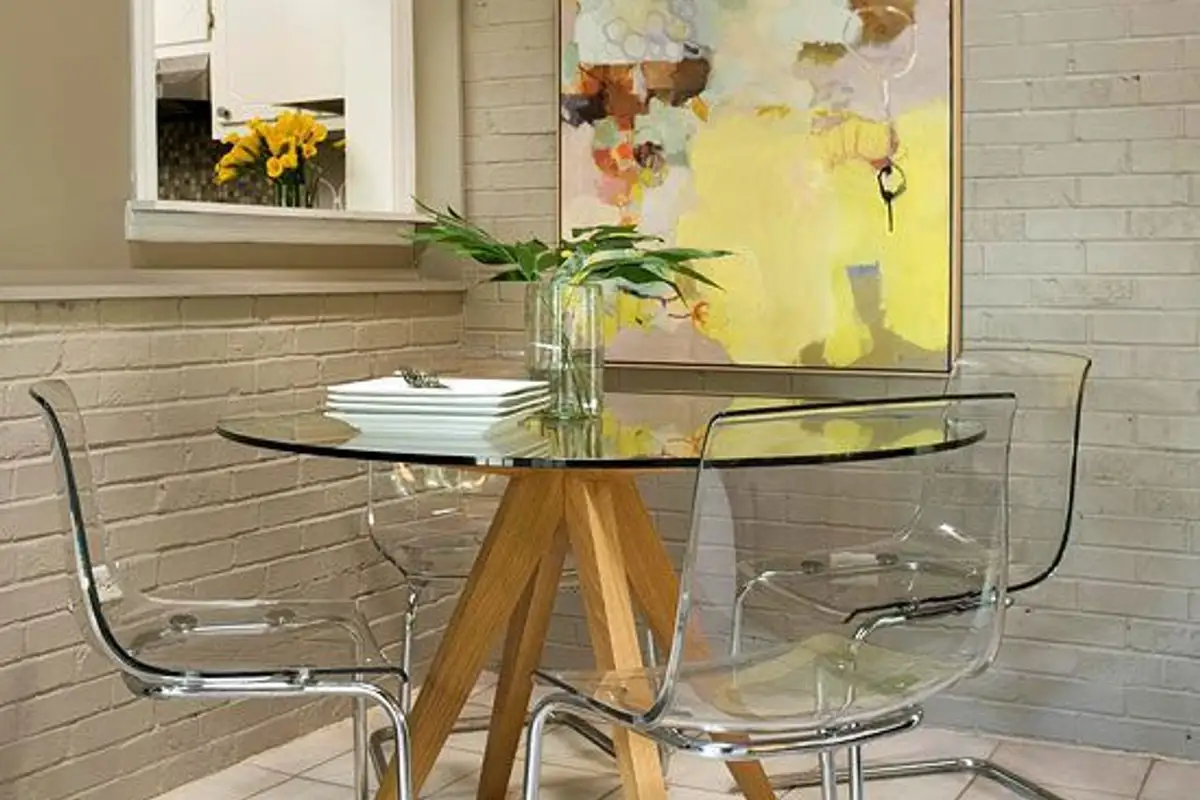
Transparent furniture has the property of not visually overwhelming, so it is recommended in small spaces, for example, a table with a transparent top in a small kitchen or transparent nightstands in a small bedroom. I think they are very useful for apartments, but too many such elements could give a feeling of cheap furniture, says Daniela Truta.
From the living room to the bedroom, hallway and offices, transparent furniture finds its use in various forms:
Its use in interior design began around the 1970s-1980s and reflects the pop art style prevalent at the time. This type of furniture fits well into high-tech, contemporary, and minimalist styles.
I wouldn't see them in a vintage setting, perhaps only in contrast where the shine of these materials is highlighted against the patina of old materials, concludes Daniela Truta on the topic of integrating plexiglass objects within various decorating styles.