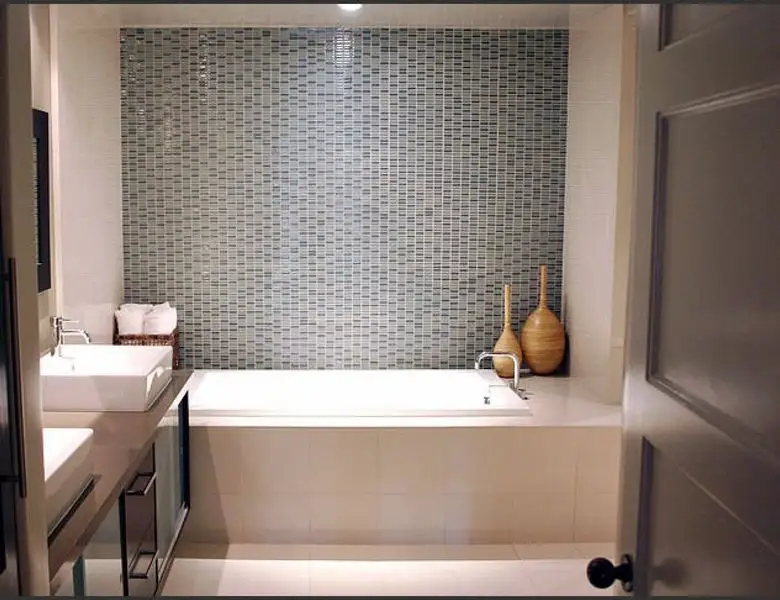
Interior design trends come and go. What remains, however, is the space we inhabit and where we want to feel good. Among these spaces is the bathroom, a room we generally think of in terms of tiles, ceramics, and sanitary ware, which are the main elements that dress this space.
In recent years, we have witnessed a series of interesting techniques and influences for bathroom decor, and the field of ceramic cladding is one that abounds in variety.
We spoke with interior architect Mihai Constantin about bathroom design trends and what he recommends in terms of finishes and materials:
I don't think we can talk about bathroom design trends separately from the rest of the home design. More and more, the bathroom space is connected to the rest of the house, transforming it from a utilitarian space into one dedicated to relaxation.
Lately, due to the fact that the market has reached a certain saturation of mass-produced products (industrialization, consumerism), there is an increasing emphasis on personalization. That's why even major producers of sanitary ware, ceramic tiles and bathroom finishes have started producing models inspired by traditional motifs and natural materials.
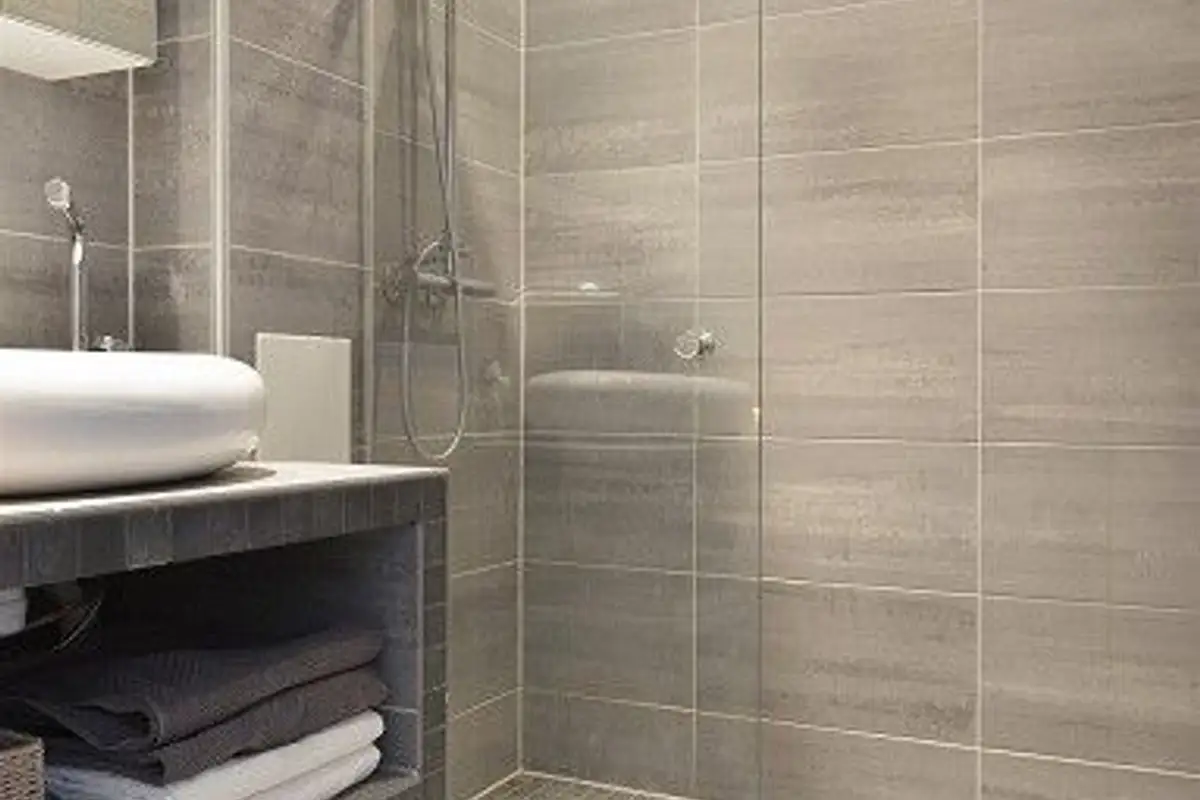
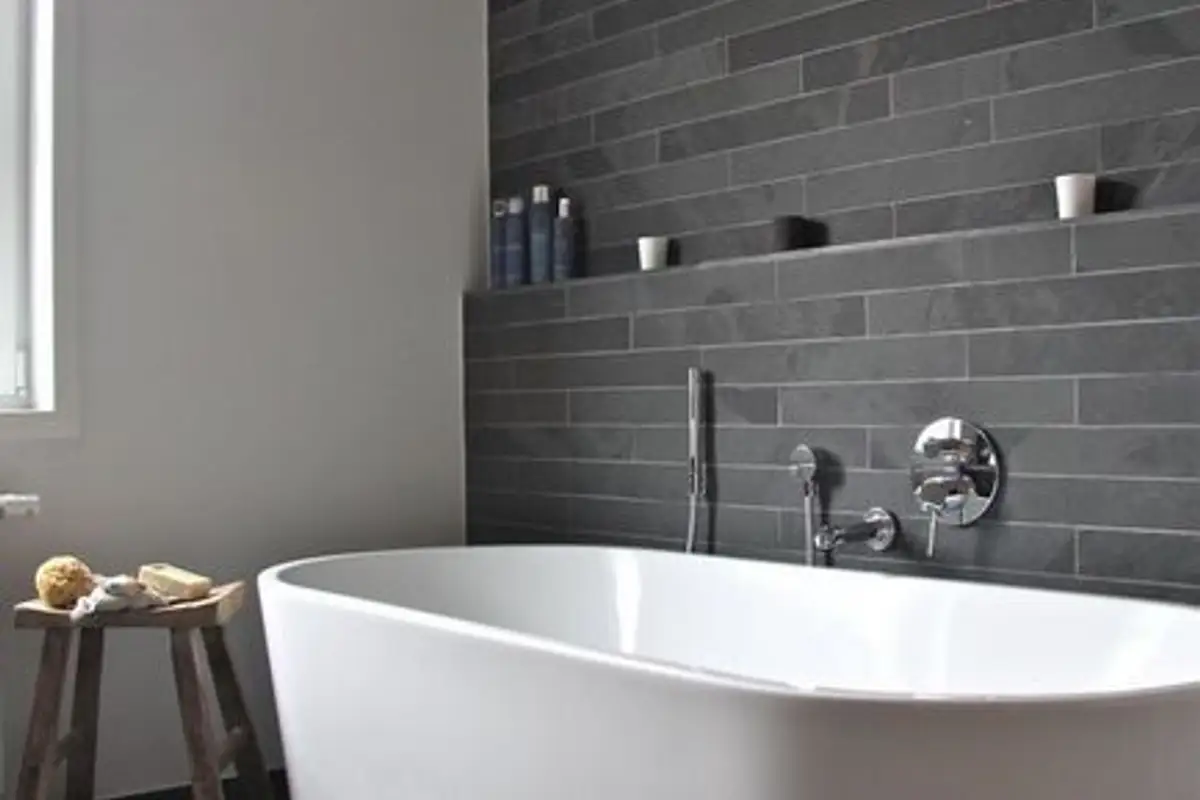
Thanks to technological progress, they have managed to reproduce materials such as stone and wood in ceramics with impressive accuracy.
Although I am not a fan of "imitations," I confidently recommend the use of such materials in interior design because a unique atmosphere with a natural feel can be created, eliminating certain problems that are a little harder to solve, such as the special treatment of wood for spaces with high humidity.
Ceramic tiles with a wood, stone or metal look are a good solution, offering durability, easy maintenance and ultimately the desired aesthetic. The trend in interior design is increasingly moving towards improvisation. In addition to standard materials, a certain percentage of the design is represented by improvised or personalized objects and solutions that give each project something different.
As for the type of ceramic tiles, there isn't a specific trend regarding the model, shape or texture.
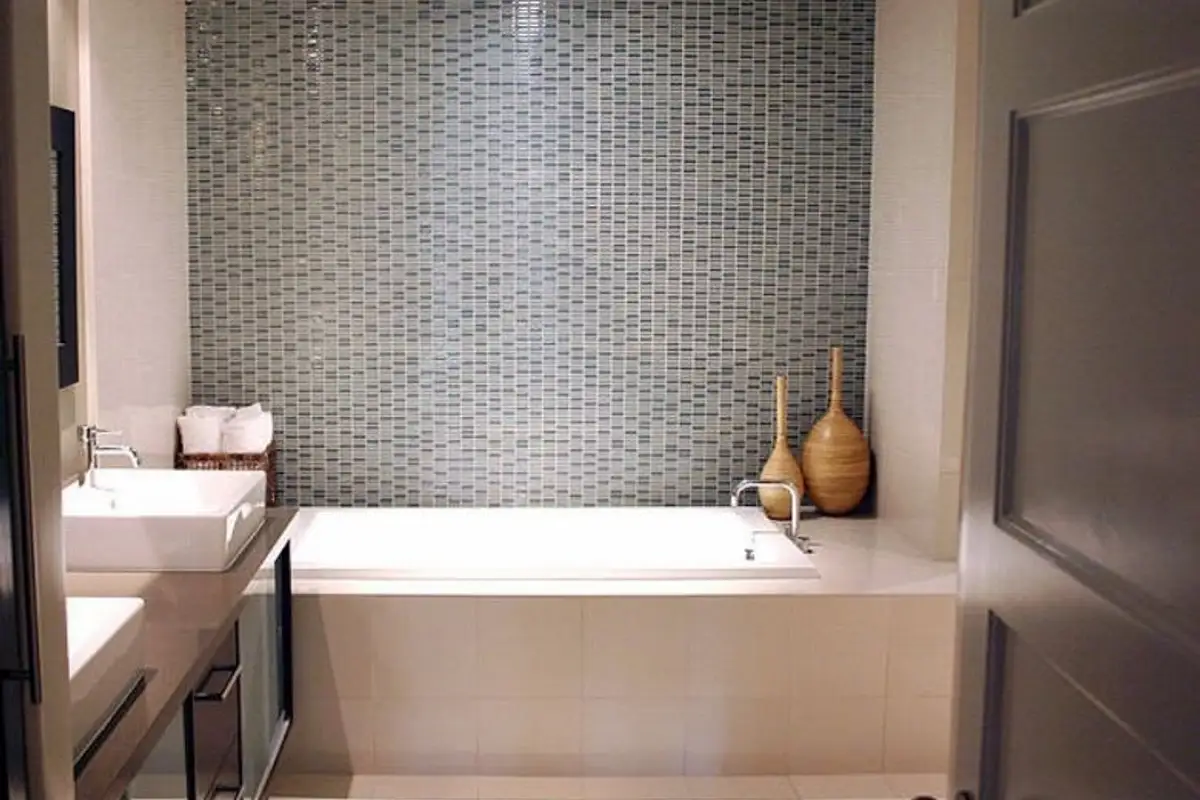
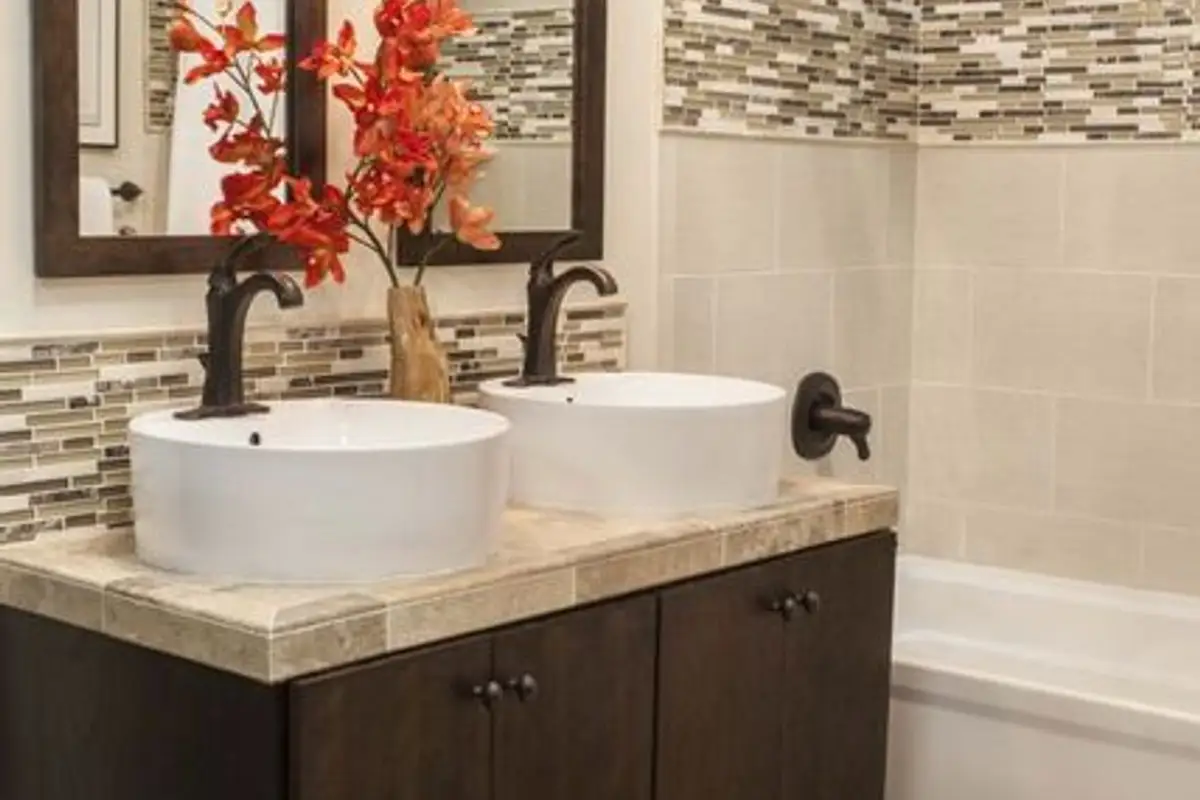
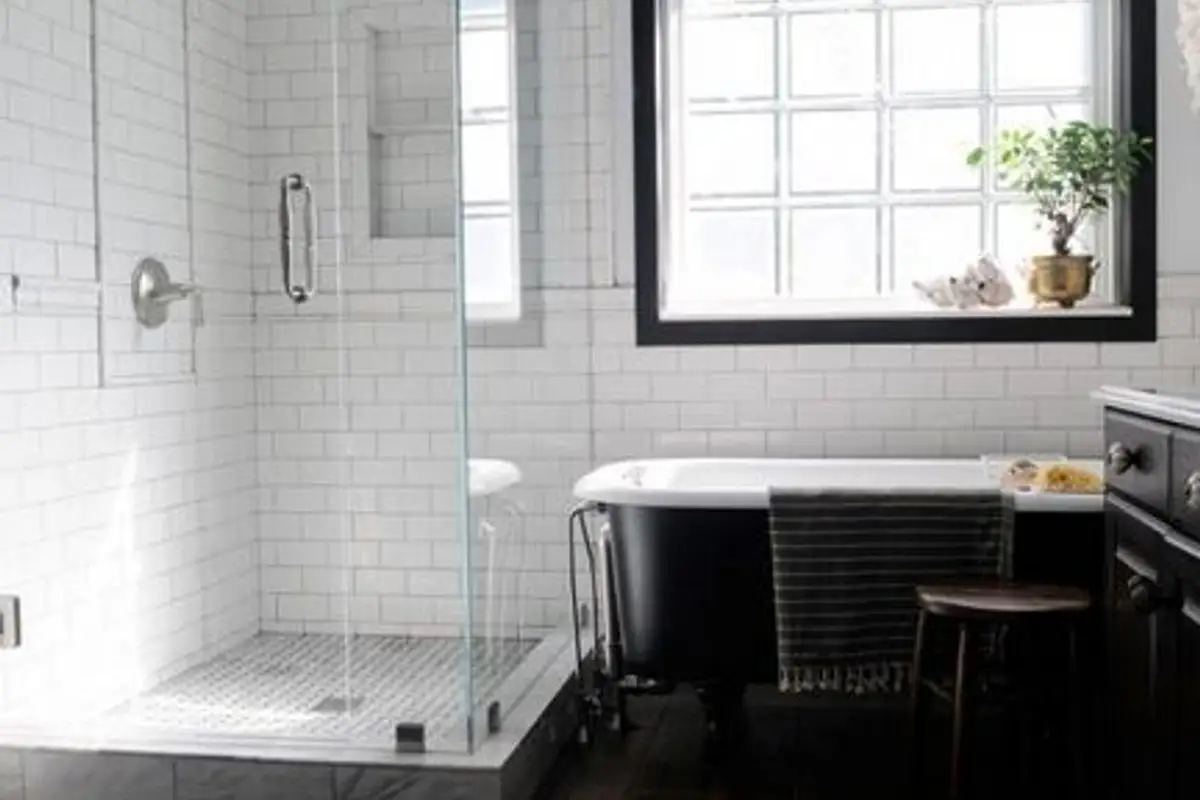
There is a very wide variety of models, ranging from plain tiles with the classic square or rectangular shape, monochrome or with a certain texture, matte or glossy, with geometric patterns in two or more colors, to textured 3D tiles or even pronounced 3D volumes and various shapes that fit together like a puzzle.
The options are countless, everything depends on the architect's vision of how they want to incorporate them into the project and what atmosphere is desired in the respective space.
Moreover, bathroom walls are no longer completely covered with tiles, and those who still choose to tile do not necessarily cover them entirely, from top to bottom. Geometric patterns are created between wall volumes, contrasts of color and games between textured tiles, with all sorts of decorations and simple background tiles.