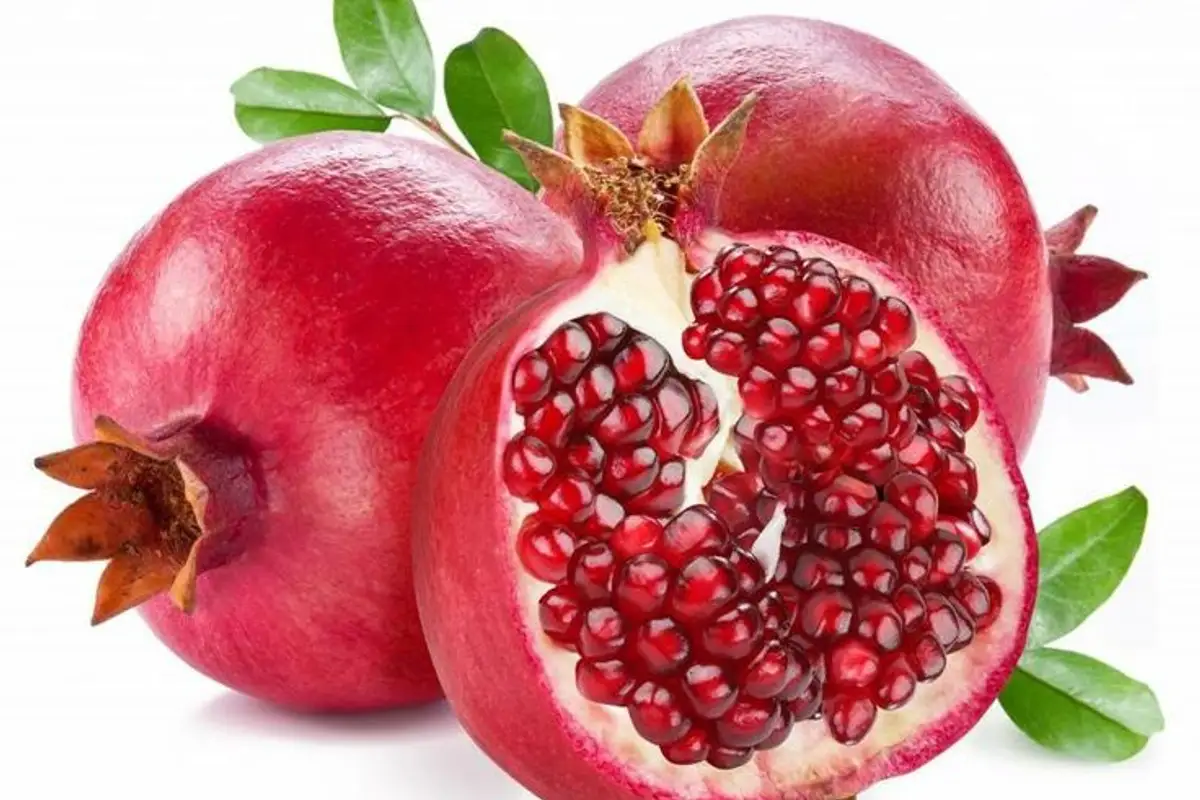
Pomegranates (Punica granatum) are delicious and fleshy Mediterranean fruits with a red color. Their Latin name is Punica granatum. Pomegranates can produce relatively large fruits with a robust consistency and very hard rind.
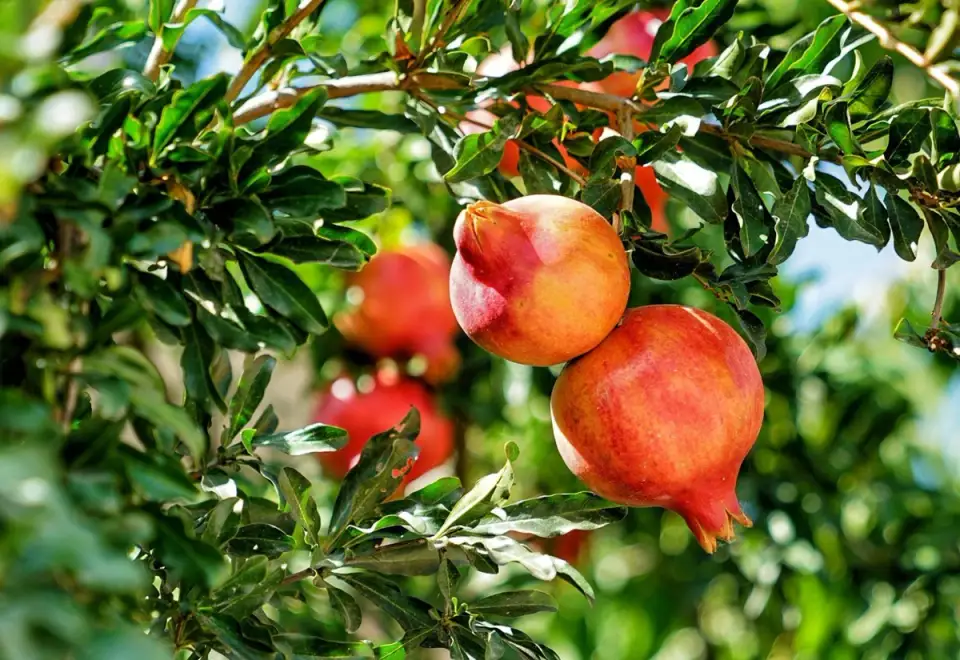
Fruits can be round or slightly elongated, and their size is determined by the variety and growing conditions. Given their wonderful taste and numerous vitamins, pomegranates are increasingly popular fruits.
Propagation is done by seeds or cuttings.
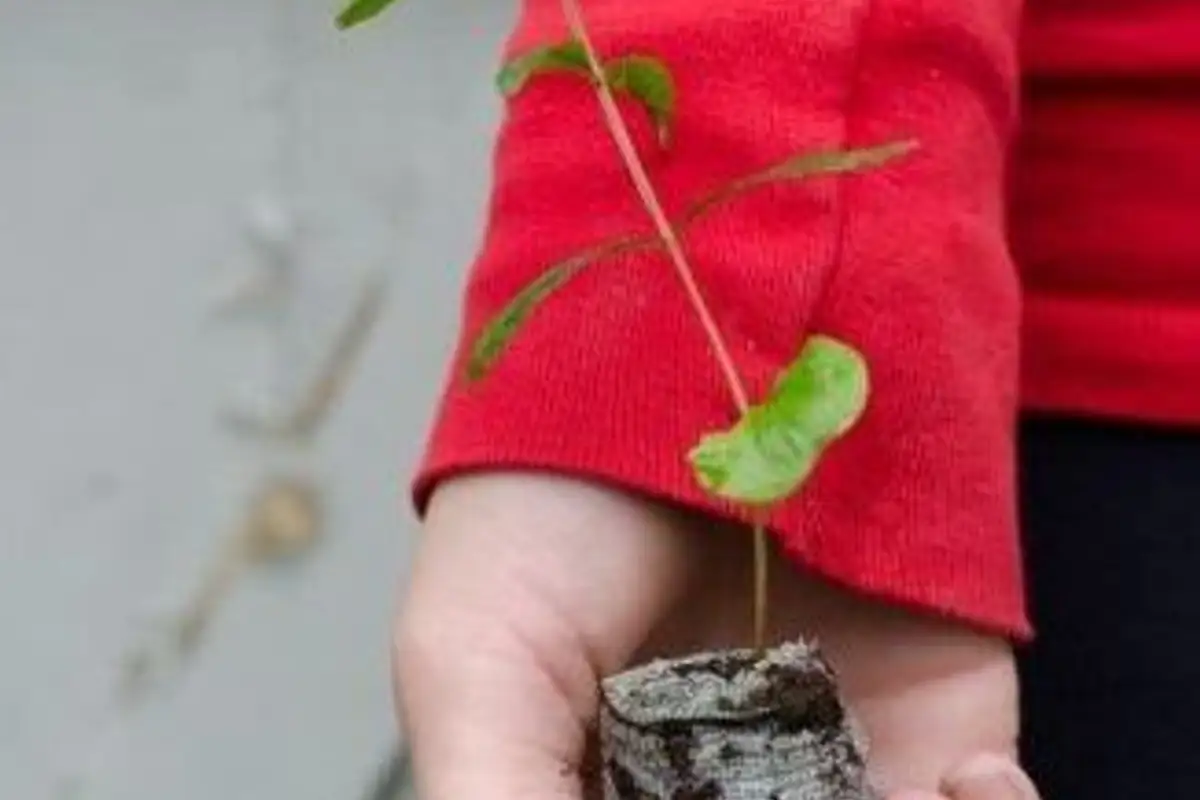
To plant a pomegranate, keep the seeds from the fruit and soak them in water for a day. After that, they can be planted in a pot with soil. Another method is to cut cuttings from the non-flowering branches of a pomegranate tree and place them in water. These cuttings should be kept in water until they develop small roots.
When the roots are large enough (approximately one centimeter), the cutting should be moved into a pot with soil and watered regularly. Planting cuttings is recommended in autumn.
Once the pomegranate seedling reaches a sufficient size, you will need to dig a hole approximately twice the circumference of its original pot. After digging the hole, carefully remove the pomegranate from the pot, gently tapping the edges to loosen the soil.
The tree, along with the soil from its pot, should be placed in the freshly dug hole. Then, add plenty of fertilized soil that retains moisture well. In warm climates, the planting period for the rodie (pomegranate) is winter, in December, to allow time for strong root development by spring.
To increase the chances of a successful fig harvest, it is recommended to add a small amount of slow-release fertilizer. This will help nourish the tree during its initial growth stages immediately following planting.
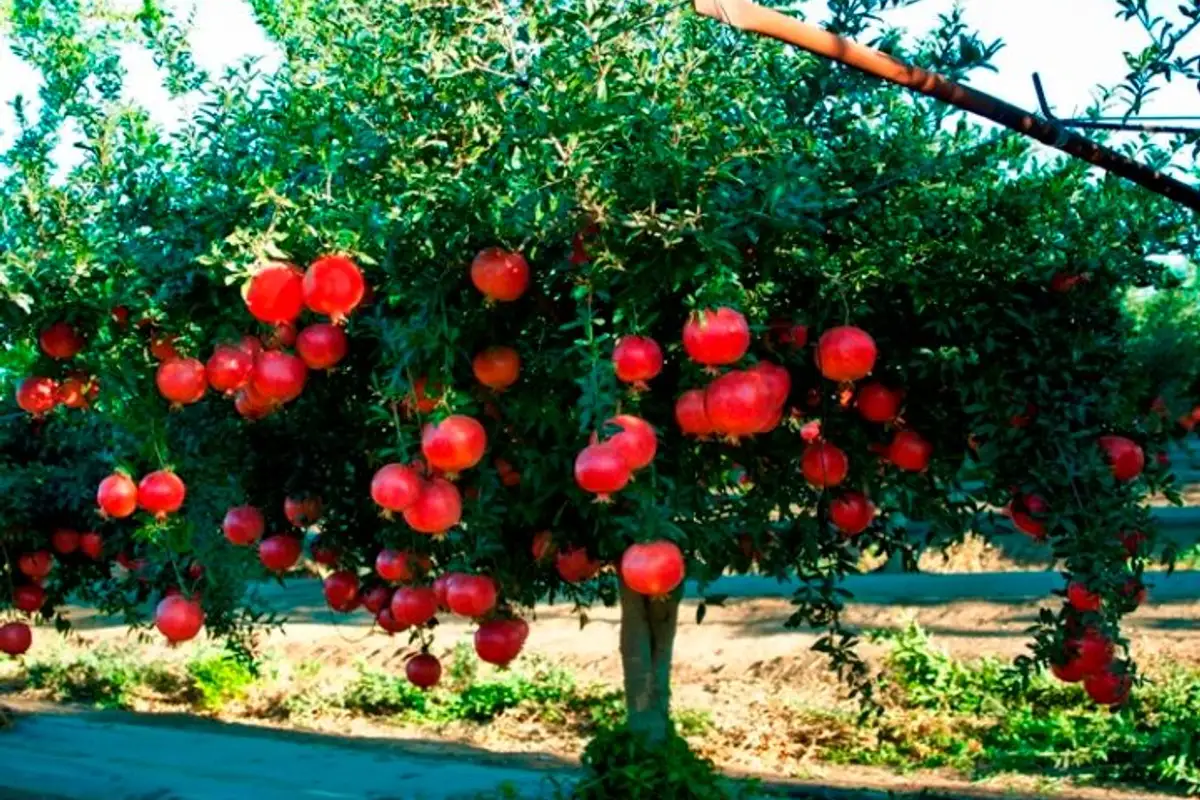
A fruit-laden rhododendron
Although there are few areas in Romania where it can grow optimally, these being located in the southern part of the country, you can plant a pomegranate tree and cover it during the first few winters to protect it from frost.