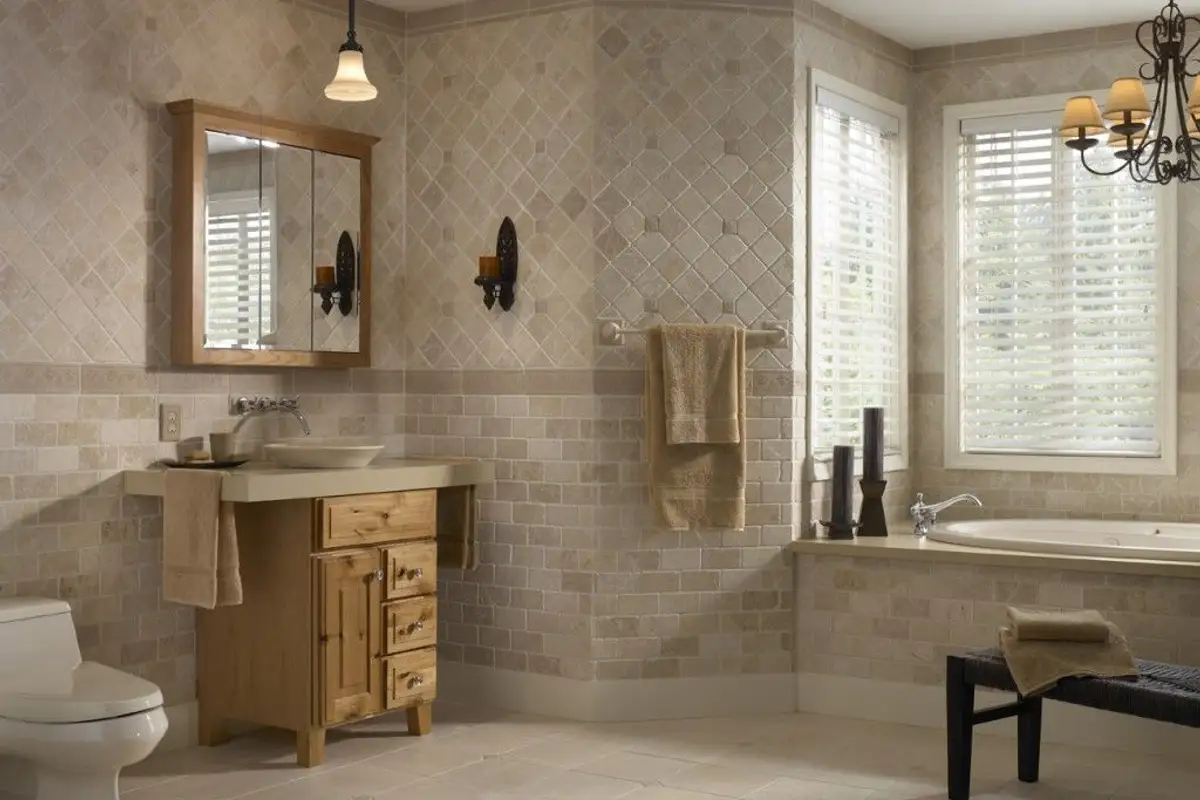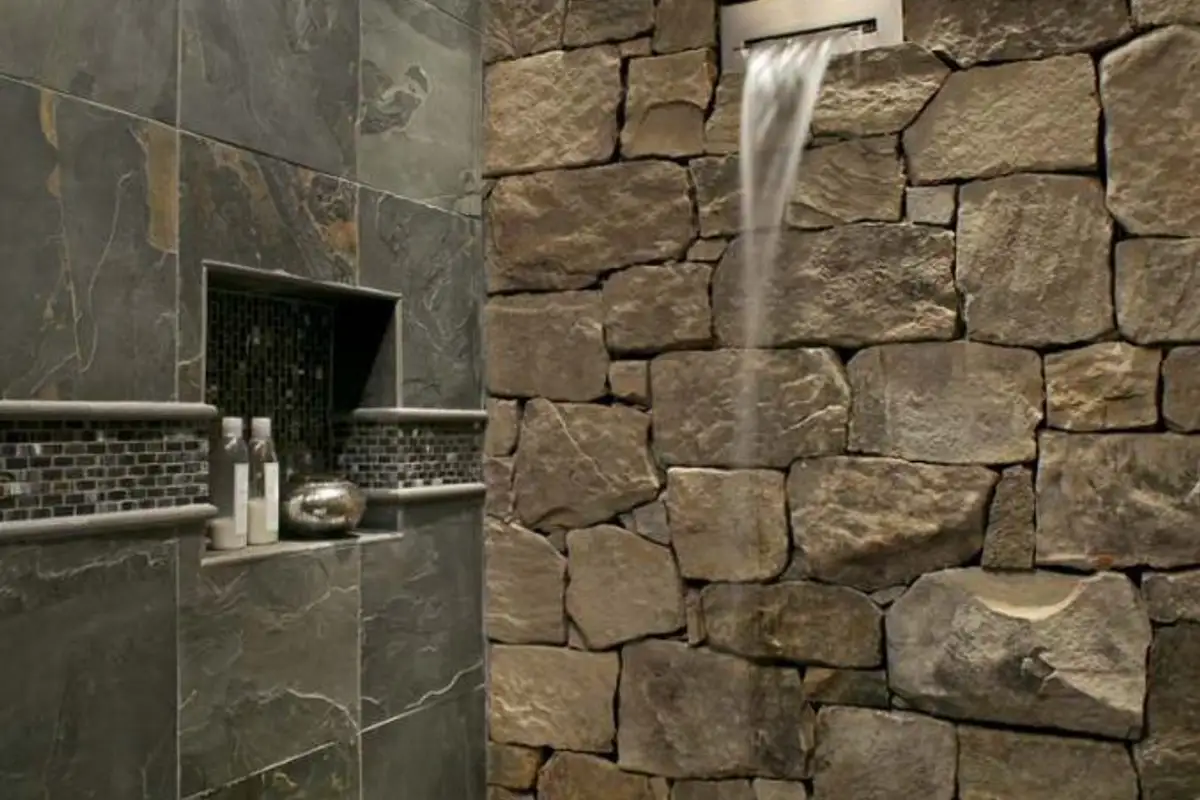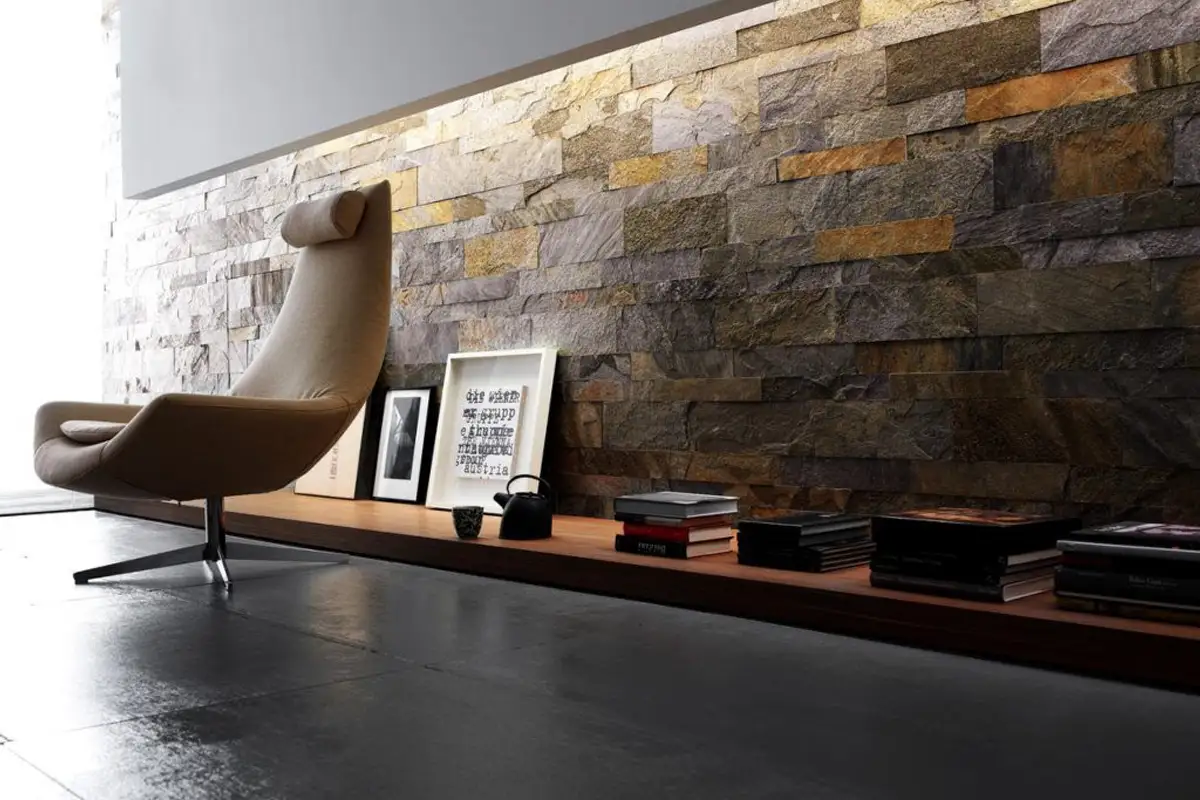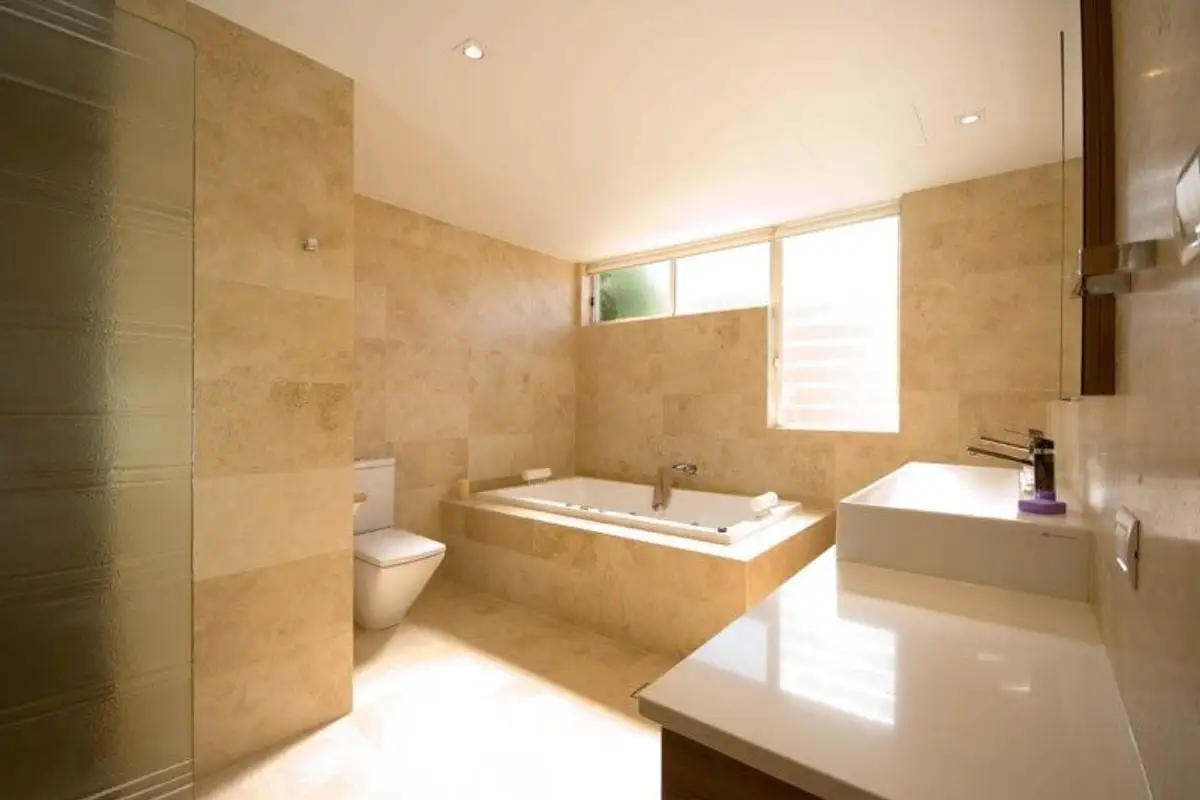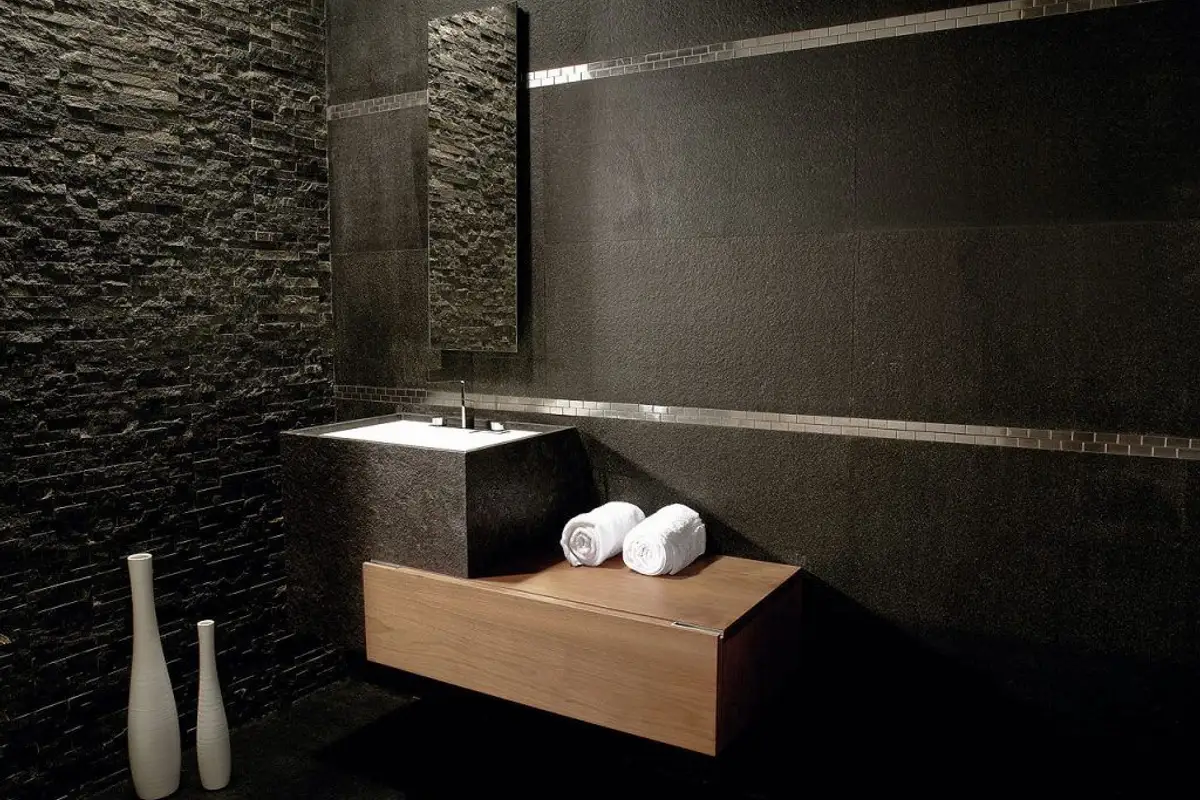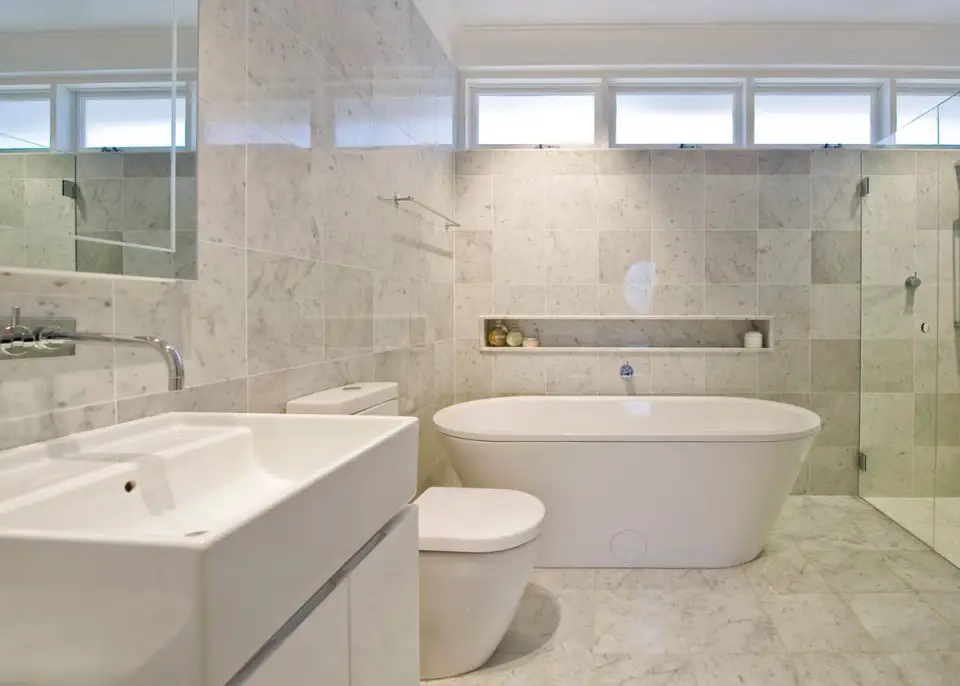
Natural stone has become increasingly popular for interior design, primarily due to its spectacular beauty. The most common stones used in construction are granite, marble, travertine, slate, limestone, each with different shades and color variations.
What are the main advantages of cladding with natural stone?
1) Aesthetically, natural stone is spectacular and impossible to imitate. Each slab is an absolutely unique combination of tones and nuances, a creation born from nature.
2) Durability: while most materials degrade over time, natural stone retains its appearance unchanged.
3) The three-dimensional effect of the surfaces is found in any natural stone and is enhanced by the various processing methods (wet or dry sanding, shaping, bush hammering, flaming etc.). The textured surface of the cladding creates plays of light and shadow that delight the eye.
4) Wide range of options: this is due to both the variety of natural stones, each with dozens of models and shades, and the different styles of stone processing.
5) Ecological argument: being created by nature, it does not consume energy for manufacturing, and a significant advantage is that no part is lost during extraction and processing. In addition, it does not contain toxic substances like synthetic products and can be used as such, even in food preparation areas.
6) Diverse application areas: natural stone can be used for both interior and exterior cladding, for both residential and public buildings. Natural stone is chosen for floors and walls, in rooms with a high degree of humidity, access areas, kitchens and more.
7) Exceptional thermal mass: this means that natural stone absorbs heat from its surroundings and retains it for a long time, releasing it gradually. In summer, for example, the stone absorbs solar heat and keeps the house cool, even in the hottest part of the day. Following the same principle, in winter it will contribute to maintaining the indoor temperature.
As for the disadvantages of this cladding, it should be mentioned that natural stone (with the exception of granite and slate) is quite porous and needs to be treated periodically with a sealant product to protect its surface. Some types of natural stone, after polishing, scratch easily, while others are brittle and will chip at the corners.
When deciding to use this type of cladding, you should first inform yourself about the characteristics of the material to decide if it suits your needs and to find out how to care for it after application.