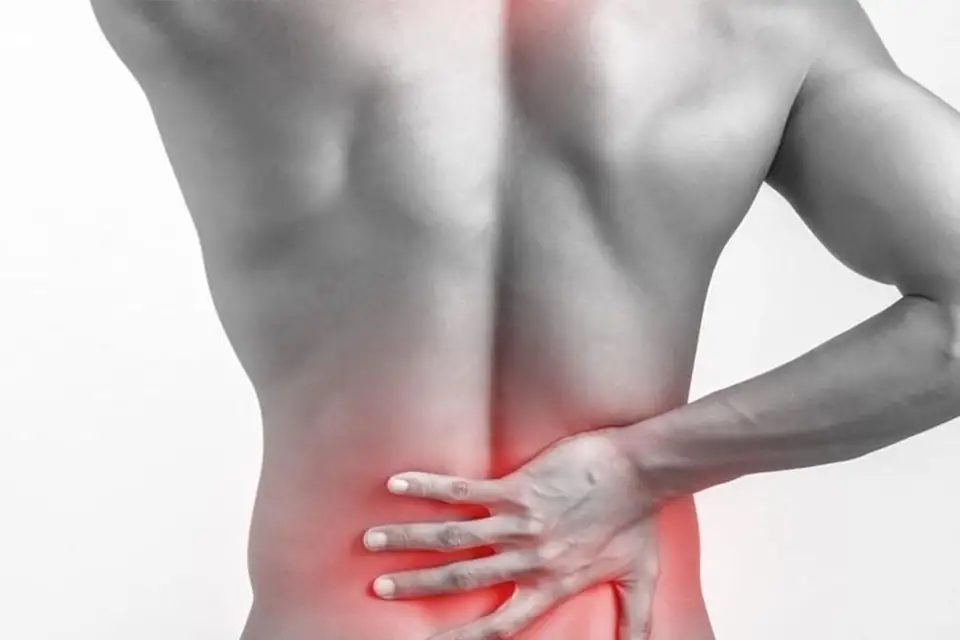
Do you know what the term discopathy means? Many have heard of this condition, but often we don't know what it is until we encounter it. Well, discopathy is a degenerative disease of the intervertebral disc (the disc located between the vertebrae of the spine) and acts as a shock absorber for that region. Discopathy can occur in any part of the spine.
However, it is more common in the lumbar region. But what can cause this pathology? And, more importantly, is there treatment for it?
So, what is discopathy and what are its causes?
As mentioned, discopathy is a degenerative disease that affects the intervertebral disc, which in turn serves as a cushion between vertebrae, preventing them from suffering major trauma such as impacts and injuries. The intervertebral disc is composed of two parts:
The nucleus pulposus: a gel-like substance that acts as a shock absorber.
The fibrous ring: a ring of tough fibers that surrounds the nucleus pulposus and holds it in place.
Intervertebral disc disease occurs when there is degeneration of the disc, which can have several causes. The most common is degenerative disc disease, associated with aging, as both the nucleus pulposus and the fibrous ring naturally wear down over the years.
Discopathy typically primarily affects the lumbar region, although it can also affect the cervical and thoracic regions. However, there are other possible causes as well, such as:
A herniated disc occurs when the nucleus pulpos ruptures through the fibrous ring, potentially compressing nerves that pass through this area.
Disc degeneration is a condition in which the disc loses its ability to absorb shocks, causing pain with any type of movement.
Osteoarthritis is a degenerative disease that affects joints.
Trauma, a blow or spinal injury can cause discopathy.
Besides aging, there are other causes that can accelerate this process, such as: spinal trauma or injury, obesity, poor posture, osteoporosis, smoking, and herniated disc.
Symptoms of disc disease
The most common symptom is lower back pain, which can be acute or chronic. In some cases, the pain may also radiate to other areas, such as the buttocks and legs. The pain may also be aggravated by coughing, sneezing, or sitting for long periods of time.
Other symptoms include: muscle weakness, numbness or tingling in the legs, difficulty walking, urinary or bowel incontinence. If you experience any of these symptoms, it is important to consult a physical therapist.