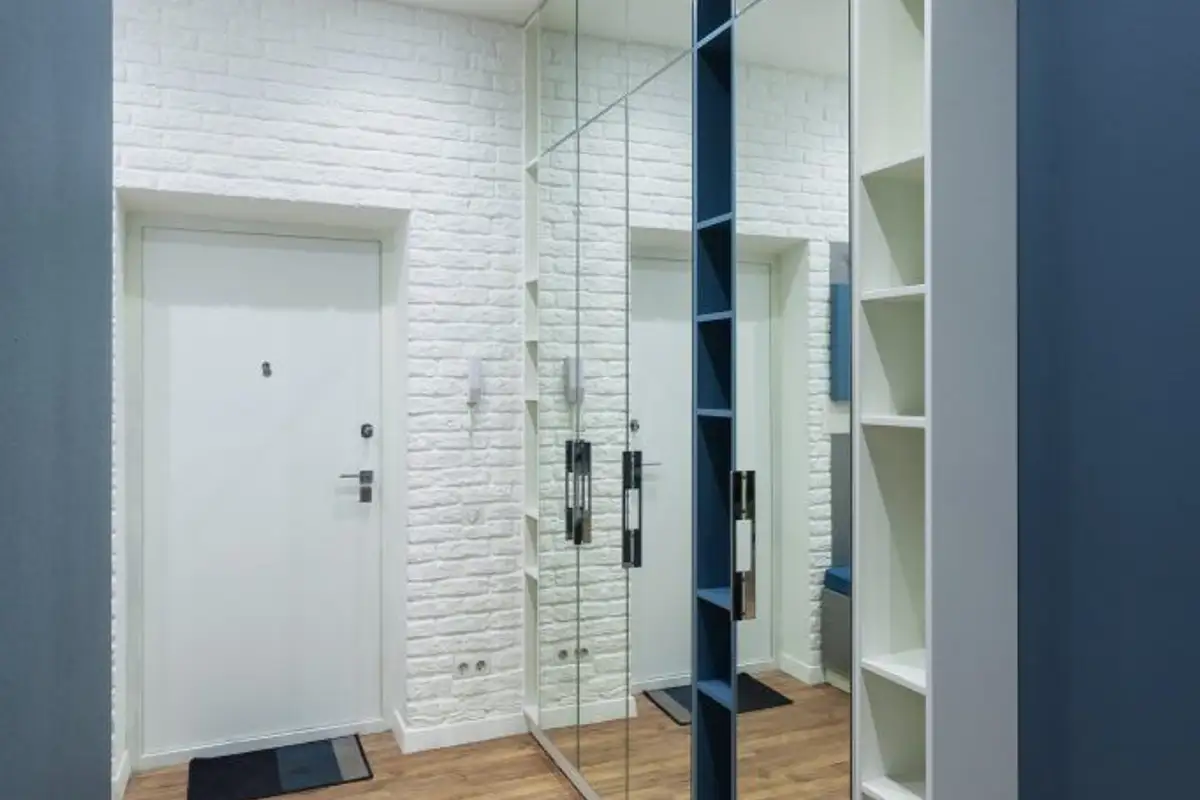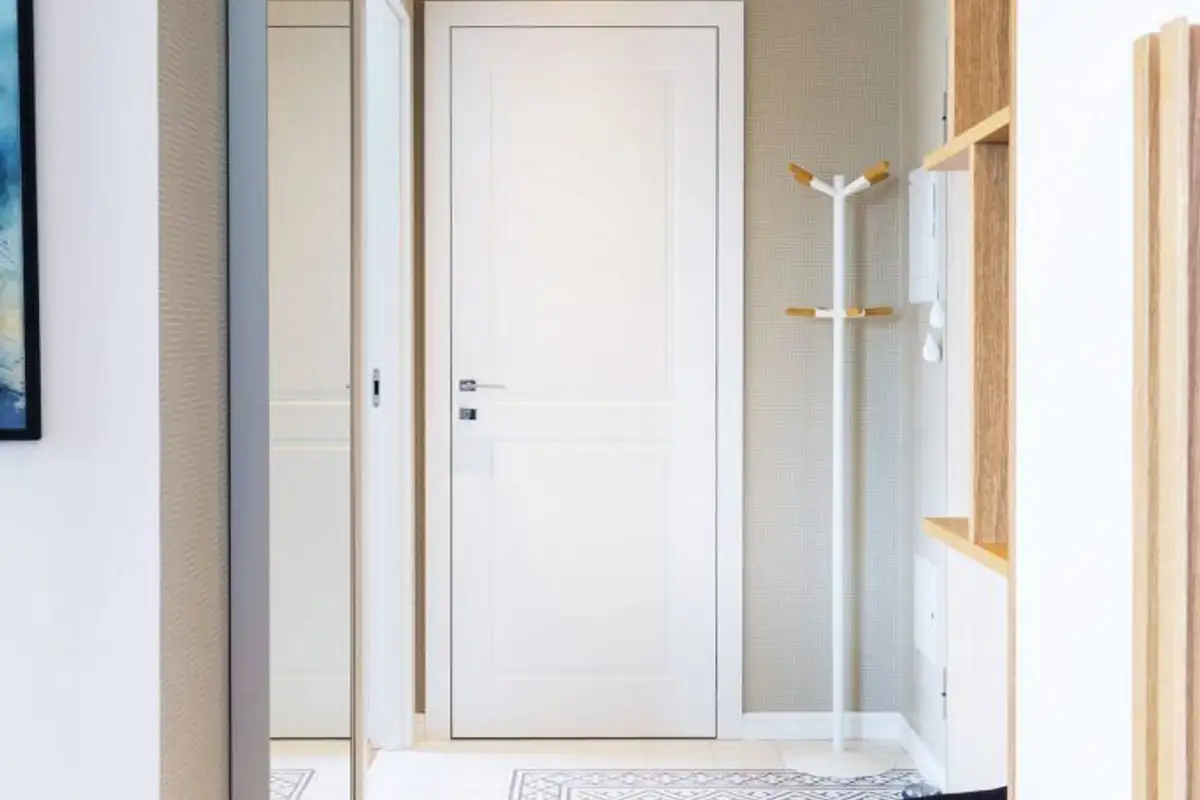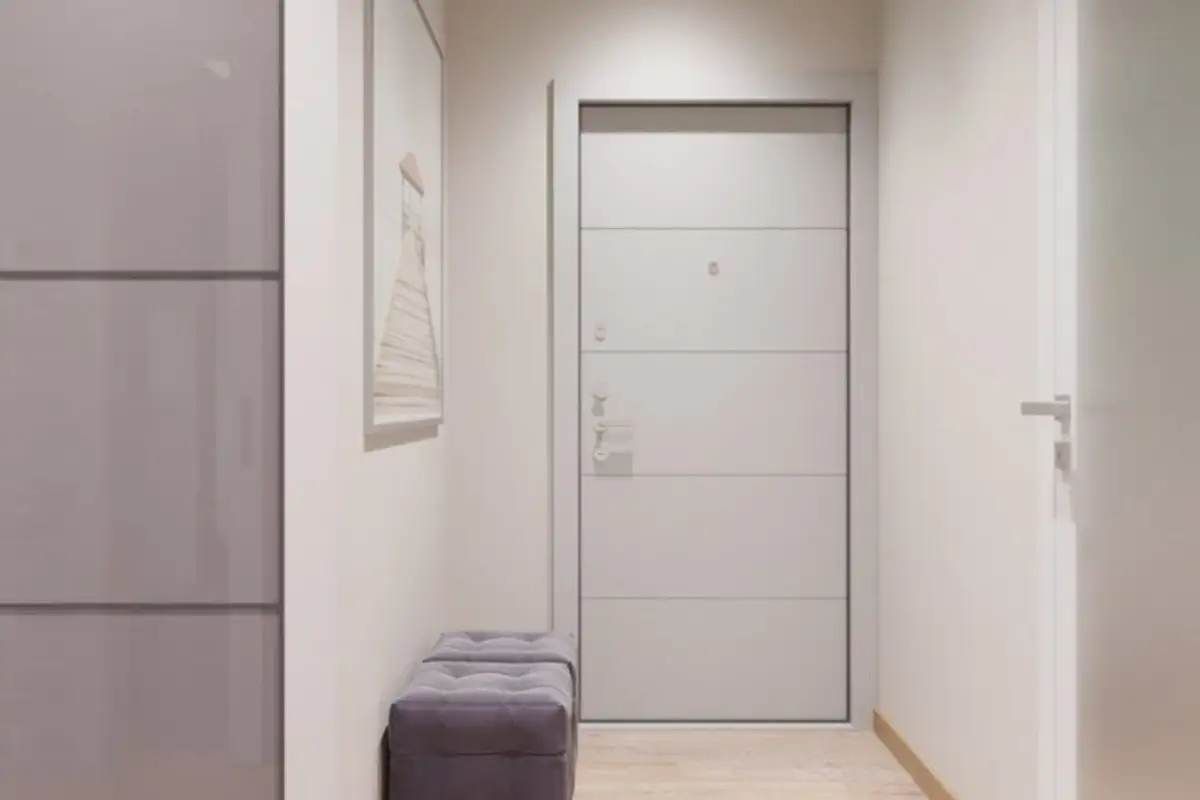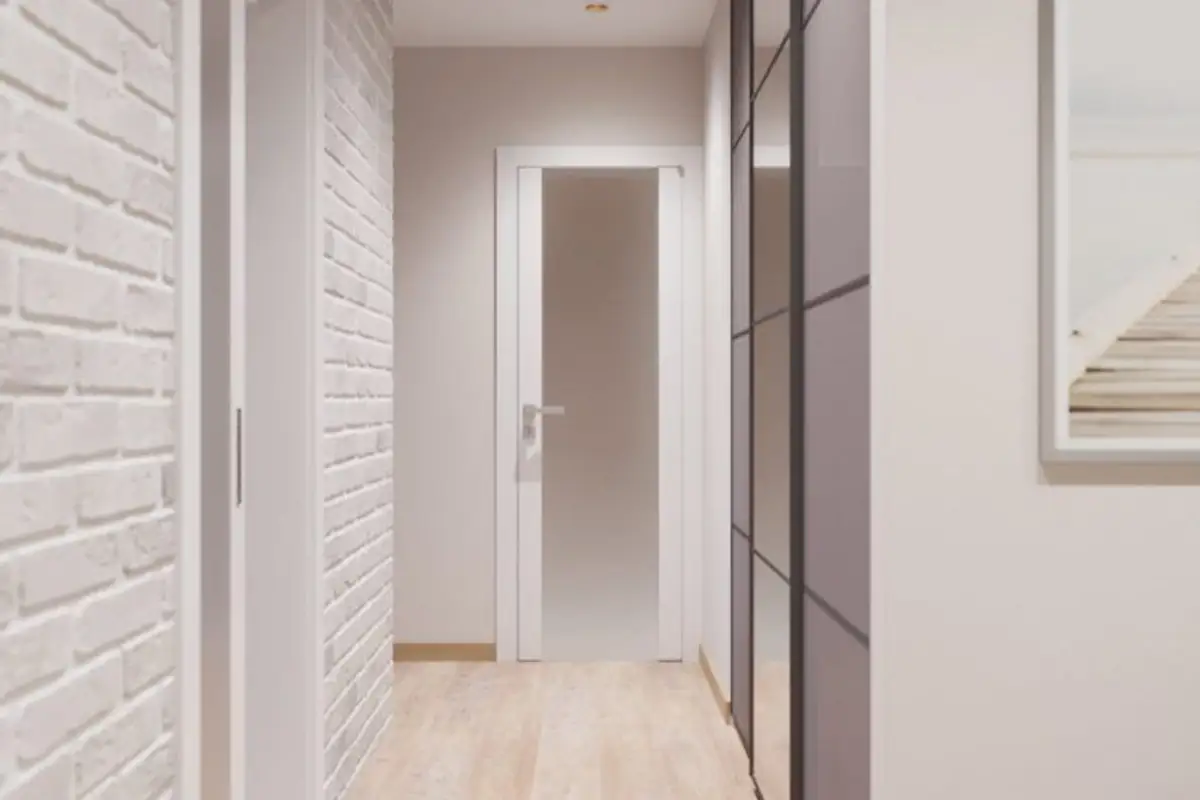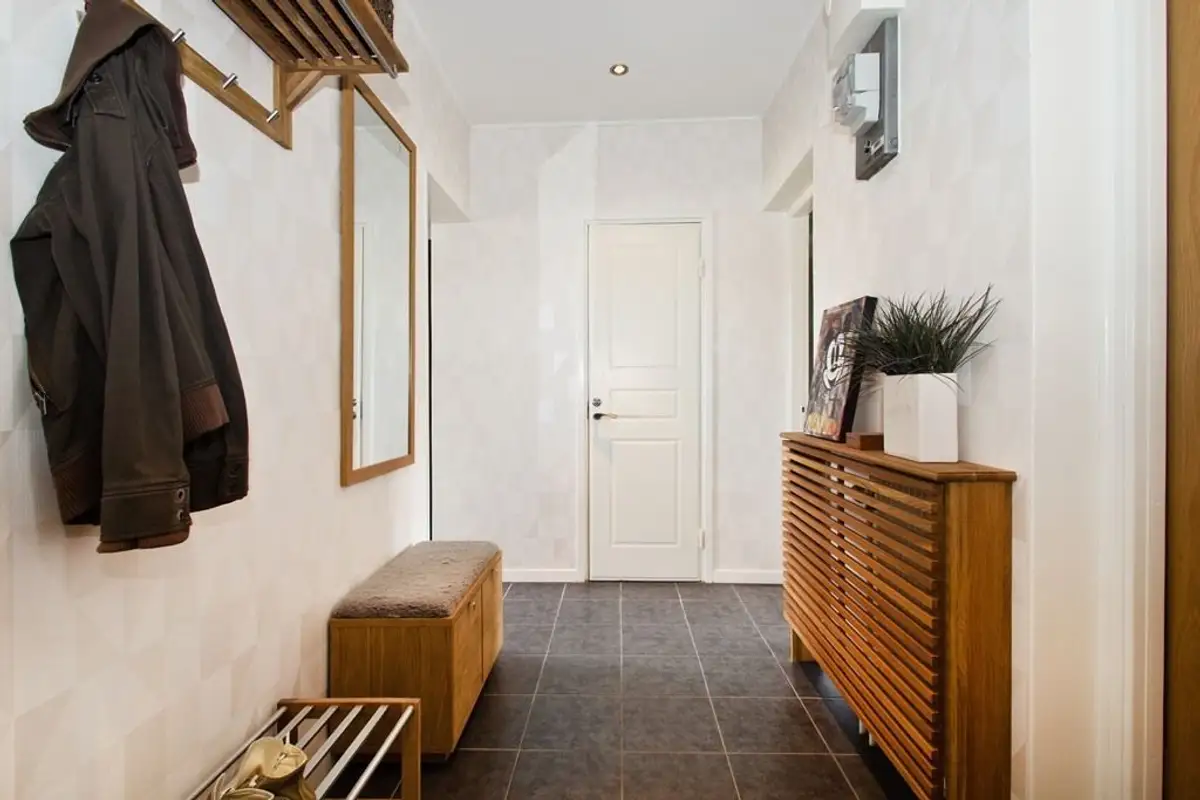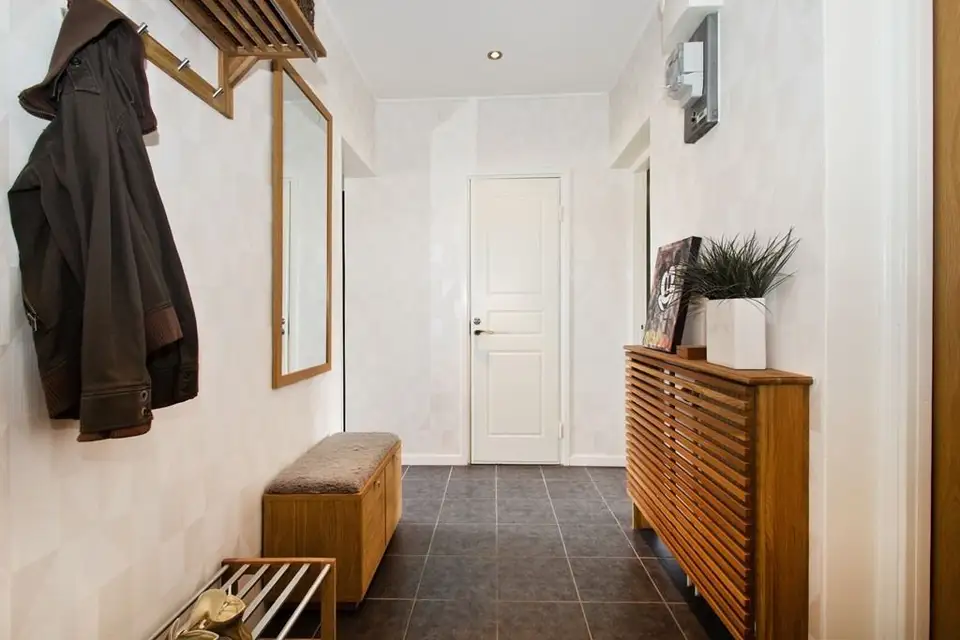
Being an intensely trafficked area in our homes, the hallway needs a flooring that is resistant, durable, and suitable for the style adopted throughout the entire design. Let's see what options exist.
Before you think about what type of material you will use, consider what effect you want to achieve. We can have two situations: one in which we integrate the hallway design into the concept created through a unified approach or, on the contrary, shaping an impactful decor but in the same note of the style we envisioned for the entire house.
For example, if your home's design follows the line of modern design, the hallway should not create a discordant note through a rustic approach or any other stylistic variation.
To highlight the hallway design, you can opt for choosing a different material than those used in the other rooms. If there is parquet in the living room, you can use tiles in a similar shade for the hallway or, on the contrary, in a contrasting note to emphasize the transition between spaces.
We recommend that in small homes you choose continuity at the flooring level. This way, you will not fragment the space of the apartment too much. The parquet from the living room can also be used for the hallway or the tiles from the kitchen can be the same as those in the hallway, especially if we have an open space.
From the point of view of finishes, quality should be paramount regardless of your choice. The hallway is exposed to intense traffic, often with dirt that we inevitably bring in from the outside.
Therefore, you should aim for the material to be durable, resistant to scratches or abrasion, non-slip (be careful with glossy tiles!), anti-absorbent and, last but not least, easy to clean and maintain.
Tiles are among the most popular options for hallways. They come in a wide variety of colors, prints, and sizes that easily adapt to any desired decorating style. Natural stone can also be used, but the cost will be higher, and maintenance more expensive.
Another option is epoxy resin floors which work excellently in industrial-inspired designs. They can be integrated into loft-type spaces, studios or apartments and not only for the hallway floor but even throughout the entire house. Here's an example in this design.