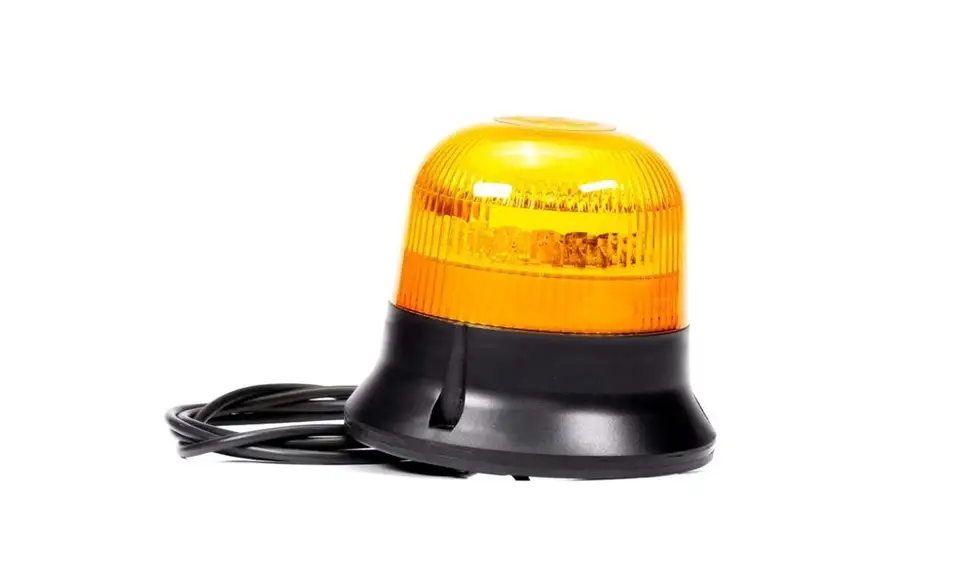
The presence of flashing lights on the roads in Romania is automatically associated with authority, intervention and urgency. Whether we are talking about ambulances, police cars, firefighters, gendarmes or other special structures, light signaling plays a crucial role in ensuring road safety and rapid interventions.
However, in recent years, numerous drivers have started to mount flashing lights on personal vehicles – sometimes for aesthetic reasons, sometimes for signaling during particular activities, such as towing, construction work or special transport.
This trend has inevitably led to the question: "Is it legal to use a flashing light on my personal car?". The answer is not always straightforward, as the law clearly states the situations in which light signaling is permitted, but also leaves certain exceptions depending on the purpose of use and the type of equipment installed.
That is why it is important to know exactly what the rules are, what types of lights can be used legally and what sanctions apply otherwise.
To understand the context, we need to look at the use of flashing lights not as a decorative accessory, but as a safety element subject to strict regulations.
What does the law say about flashing lights?
According to the law, only certain vehicles have the right to use blue flashing lights – these are considered priority vehicles. Among them are police cars, gendarmerie, ambulances, fire trucks, border police, army or other emergency services. The blue flashing light signals a real emergency, and other road users are obliged to give it priority.
On the other hand, vehicles carrying out work on public roads, such as those of local authorities, construction companies, maintenance machinery or special transport, can use yellow or orange flashing lights.
These do not grant right of way, but only warn other drivers of a possible risk situation, such as a vehicle parked on the carriageway or ongoing work.
In the case of personal vehicles, the law prohibits the use of blue flashing lights, regardless of the reason.
However, there are specific situations in which a driver can mount a yellow-orange flashing light on their own car, provided that it is used exclusively for professional activities involving signaling presence in traffic – for example, in the case of a tow truck driver, a roadside assistance company or an escort vehicle for oversized transport.
This distinction is essential: the color and purpose of use make the difference between a legal accessory and a violation of the law.
Situations where flashing lights are permitted on a personal vehicle
A concrete example is that of tow truck companies. These vehicles use orange flashing lights to warn other road users that they are carrying out an intervention or transporting a damaged vehicle.