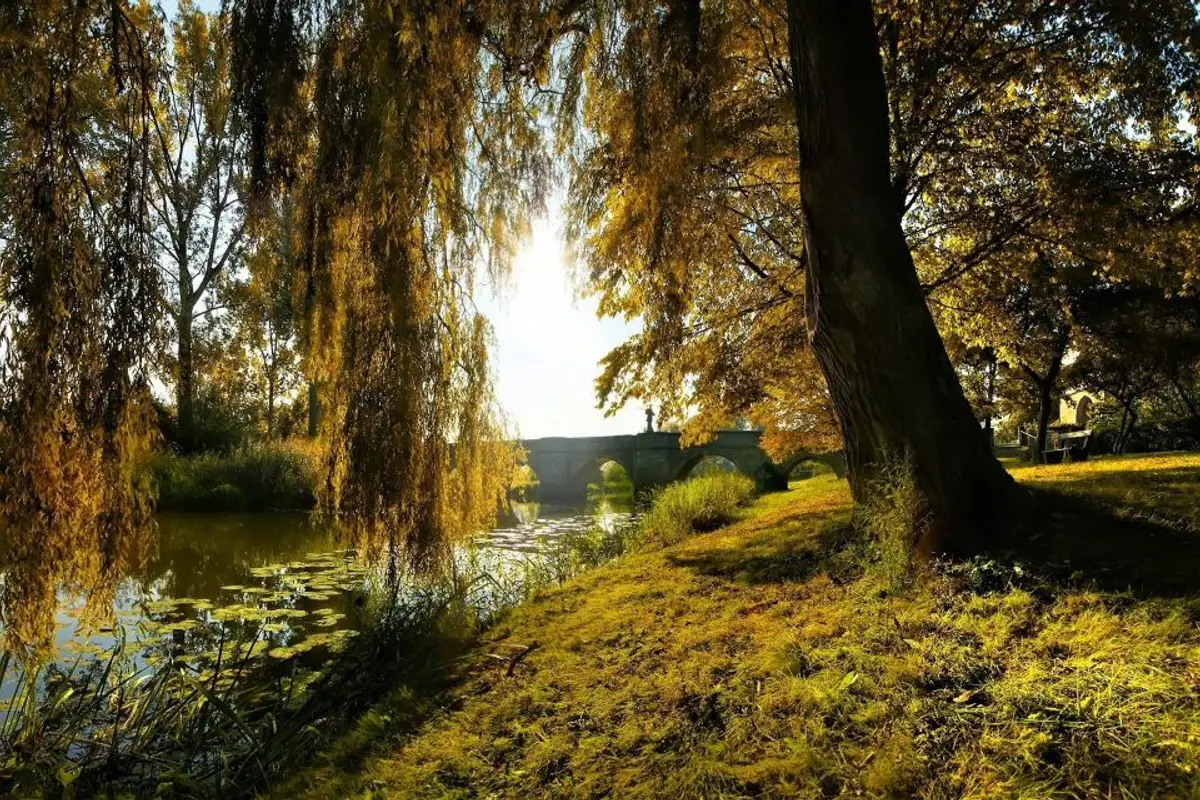
Willows are remarkable trees, distinguished by the splendor of their downward-facing crowns, an atypical feature for most trees and fruit trees. With this distinctive trait, willows are among the easiest to recognize natural presences in both urban and rural landscapes.
So, we all know how to recognize a willow, but how many of us have any idea how to plant them?
If you're reading these lines, it means you're interested in planting a willow; we'll explain just how simple it is to do.
Willows don't need fertile soil, but they love moisture and marshy areas. They are most often found near the bed of a river or stream, on the edge of lakes, and in shady, humid areas.
The great advantage you'll benefit from if you plant such a tree is its very rapid growth, its high-quality wood, and its excellence in combating noise pollution.
If you live in a house with a pond in your yard, a willow is the perfect option for you because no landscape with water features is complete without a willow.
To plant willows, simply dig a hole large enough to cover the tree's roots entirely and water abundantly during the first month after planting. The tree will grow quickly, potentially gaining 1-1.5 m in height in a single season.