If you are in the middle of a renovation or planning to redesign your kitchen, then this article is for you.
We recently mentioned regarding kitchen design the work triangle, that imaginary line that starts from the sink, goes to the oven, then to the refrigerator and back to the sink, describing the path housewives take in the kitchen.
Considering the variety of configurations and sizes of kitchens, this concept has evolved in recent years towards a term that seems to better describe the dynamics of this space in our homes: work zones.
Thinking about the configuration in work zones allows us to be more efficient with the space we have available and to organize ourselves according to our preferences and lifestyle. For some of us, the kitchen is not only the place where we cook but also the place where we can welcome a dear friend or have an intimate dinner with family members.
Also, for some of us, cooking comes down to salads or maybe just steaming, making the oven a dispensable element.
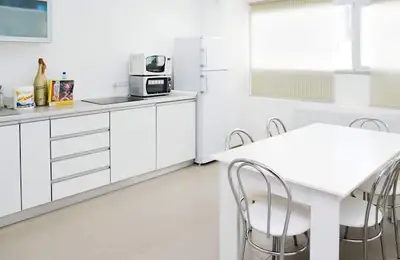
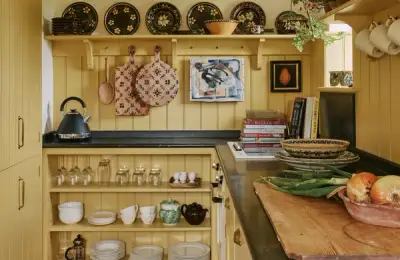
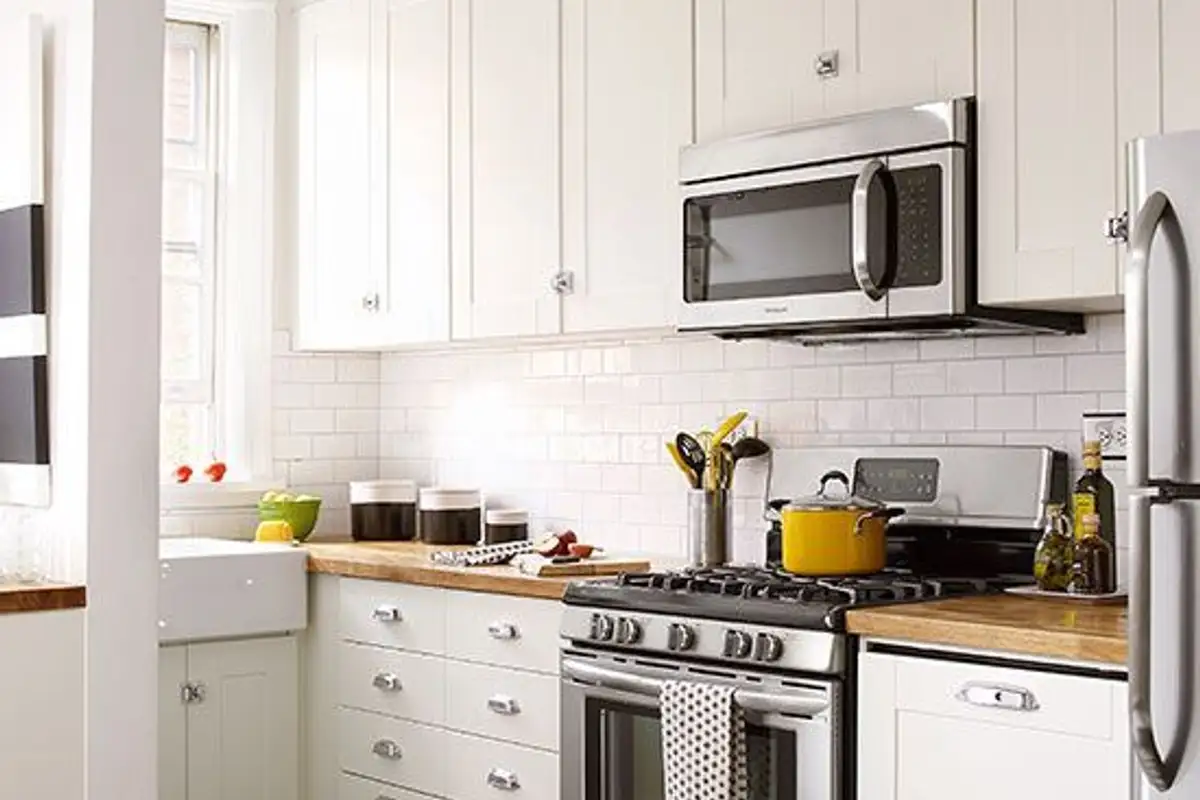
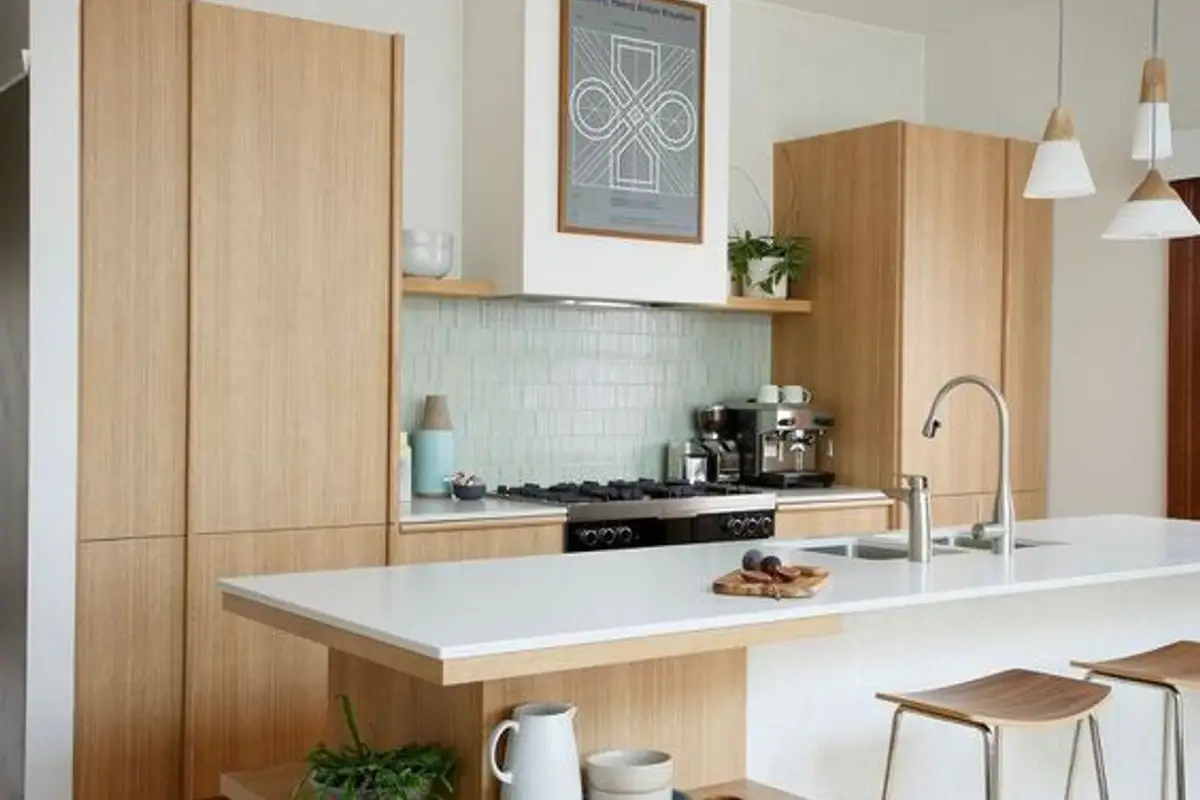
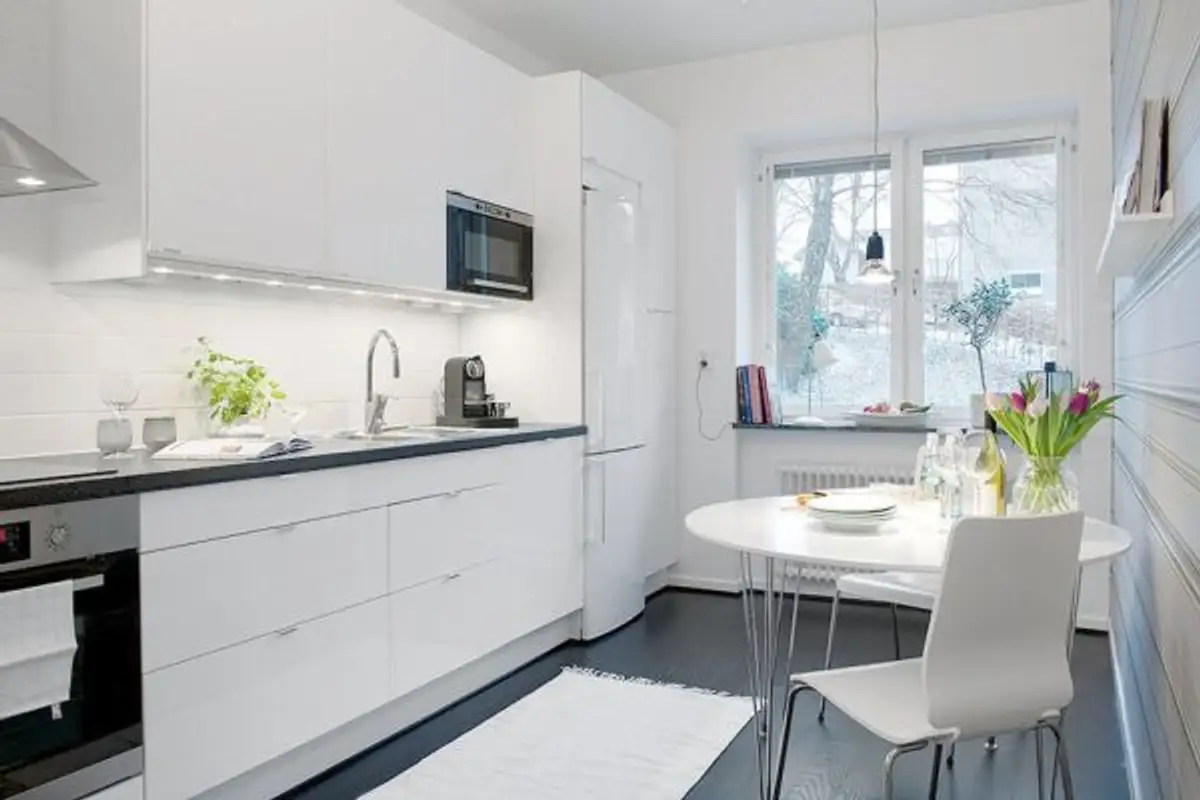
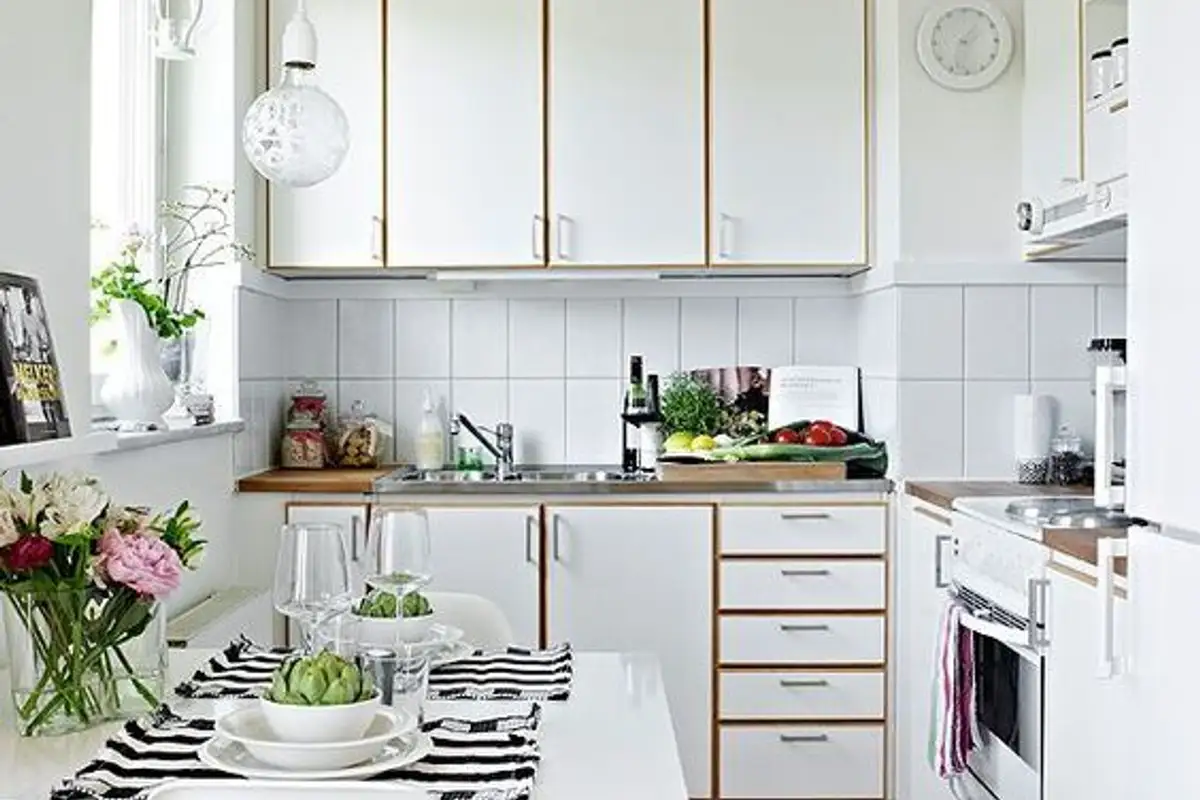
Taking these things into account, we can divide the kitchen into 5 essential work zones: the consumables zone which includes the refrigerator and/or pantry, the storage zone (plates, glasses, cups, cutlery, etc.), the washing zone including the sink and dishwasher (if applicable), the preparation zone which is the countertop, and finally the cooking zone with the stove or hob and built-in oven or not.
Depending on how you choose to divide these zones in your kitchen, keep in mind the following things that will make your life easier.
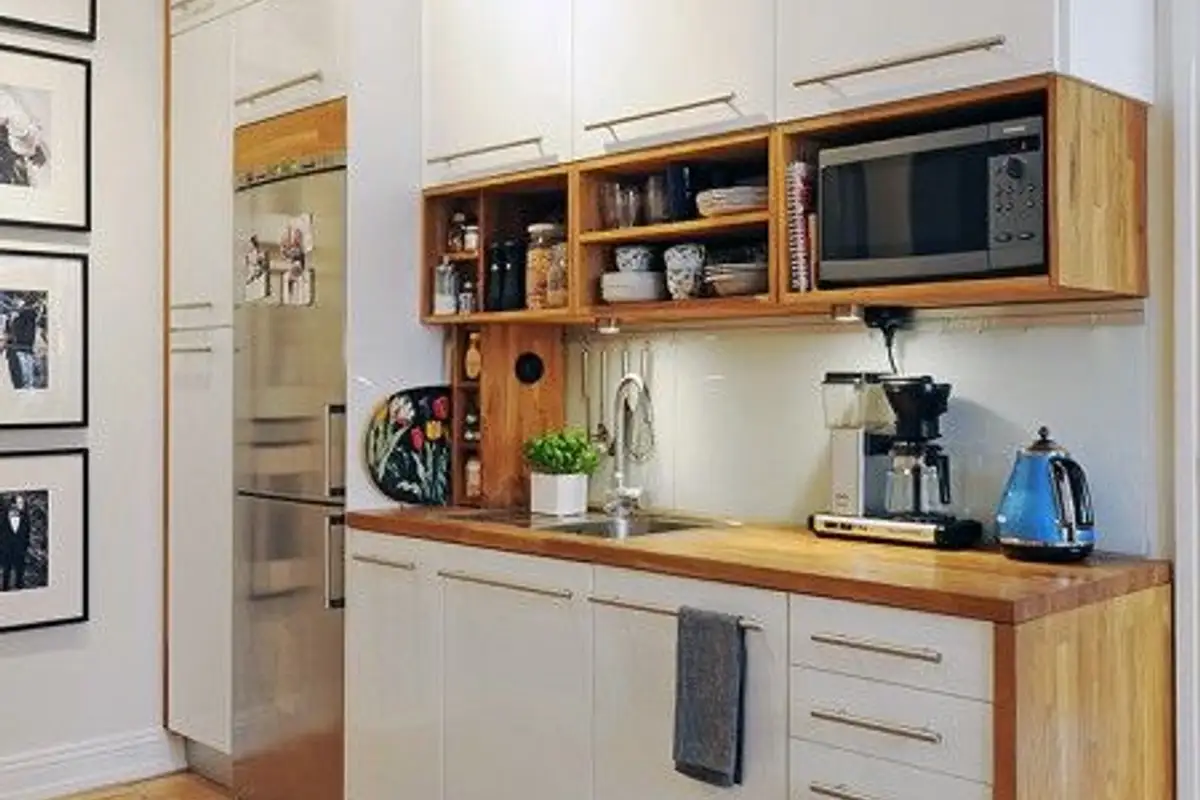
Because the whole idea of these work zones is for you to be more efficient, it's good to store the things you need as close as possible to that particular location. For example, utensils, chopper, spices are the ones you use frequently when cooking. Keep them close to the preparation zone to have them at hand.
Similarly, pans, pots should be stored near the cooking zone because this is where you use them most often.