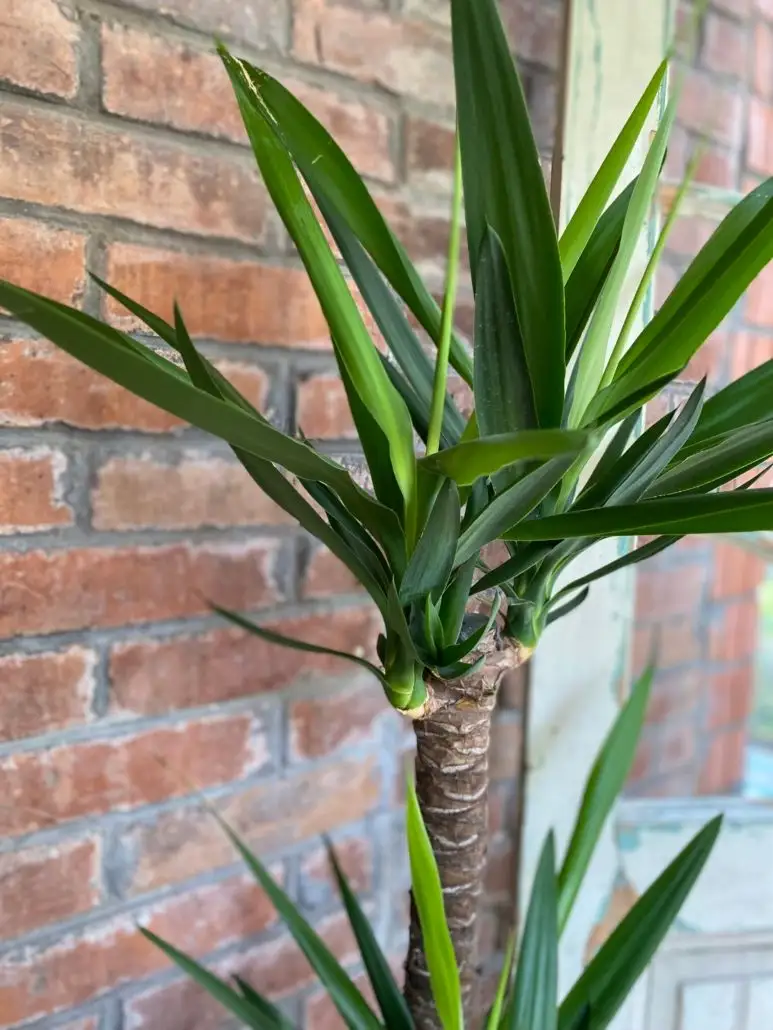
Yucca is one of the most appreciated houseplants and garden plants, due to its exotic appearance, low maintenance, and adaptability to various environmental conditions. Native to the desert regions of Central and North America, Yucca is ideal for those who desire a resilient plant that brings a touch of greenery and elegance to any space.
In this article, you will learn everything you need to know about cultivating and caring for Yucca.
Popular Types of Yucca
Yucca comprises approximately 40 species, of which the most popular for indoor and outdoor use are:
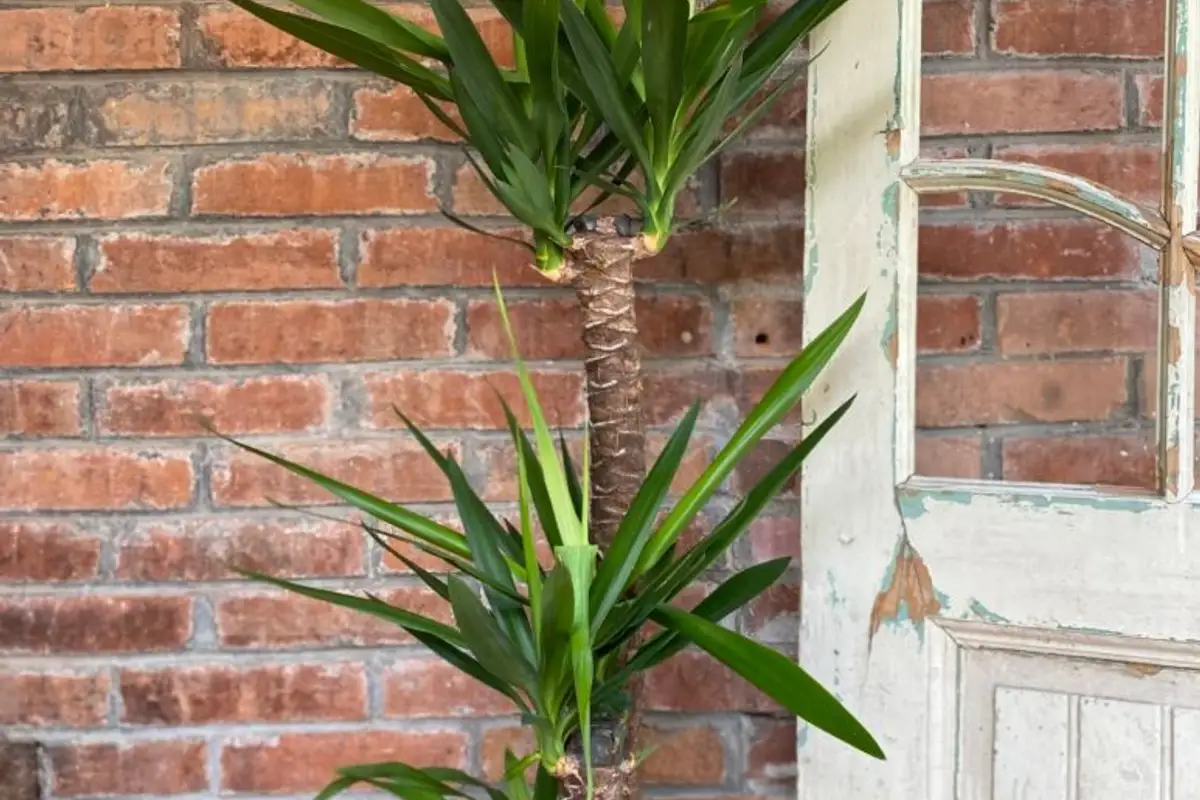
Yucca Elephantipes (Spineless Yucca): Also known as "Indoor Yucca," it is perfect for homes due to the lack of spines on its leaves. It has a thick trunk and long, green, slightly curved leaves.
Yucca Filamentosa: Commonly found in gardens, this species is cold-resistant and produces spectacular white flowers.
Yucca Rostrata: Known for its distinctive appearance, with thin leaves and a tall trunk, it is ideal for xeriscape gardens.
Growing Conditions for Yucca
Yucca is a versatile plant that thrives in a well-drained environment exposed to light. Here are the main requirements:
Light: Yucca prefers direct or semi-shade light. In an apartment, place it near a south- or east-facing window. Lack of light can lead to thinning leaves and slowed growth.
Soil: The soil must be well-drained to avoid waterlogging at the roots. A cactus or succulent mix is ideal. If growing outdoors, sandy soil is perfect.
Temperature: Yucca thrives in temperatures between 18 and 26°C. Some species, such as Yucca Filamentosa, can withstand low temperatures down to -20°C.
Care
Yucca is easy to maintain but requires specific care to thrive:
Watering: Overwatering is one of the most common mistakes in Yucca care.
During summer, water once a week or when the soil has completely dried out.
In the cold season, reduce watering to once every 2-3 weeks.