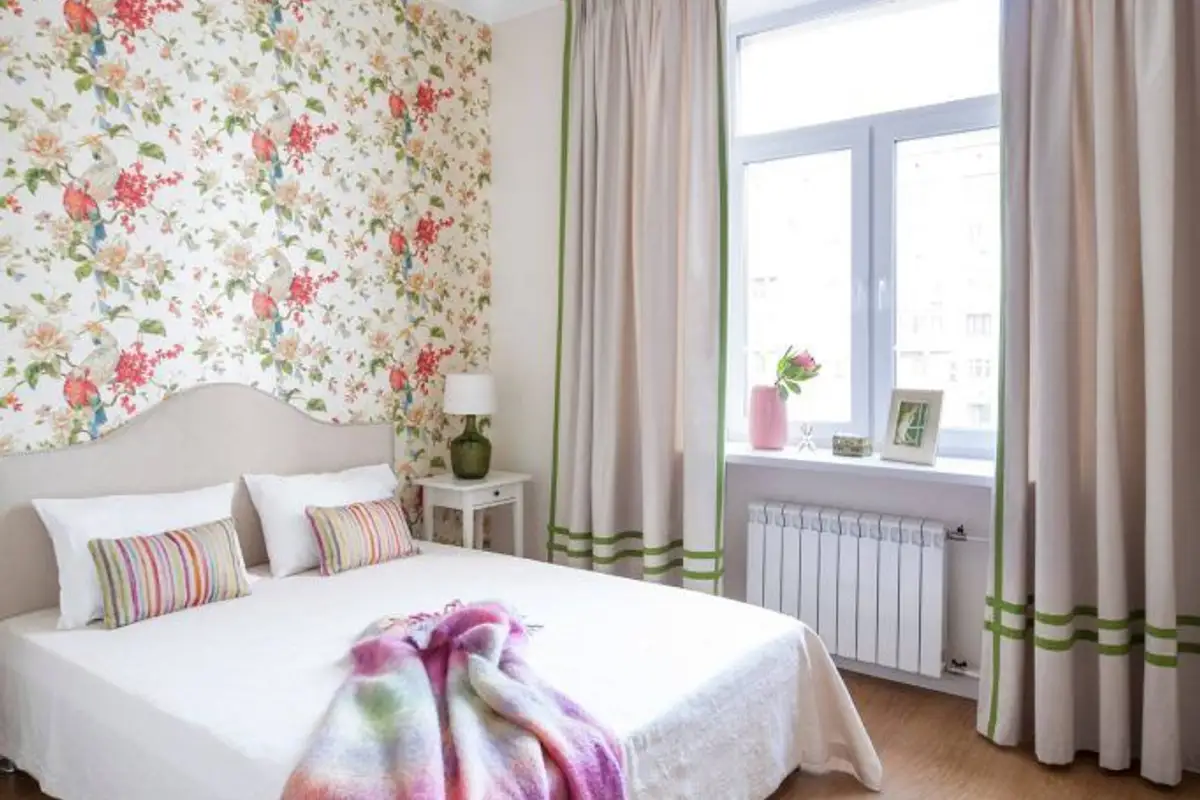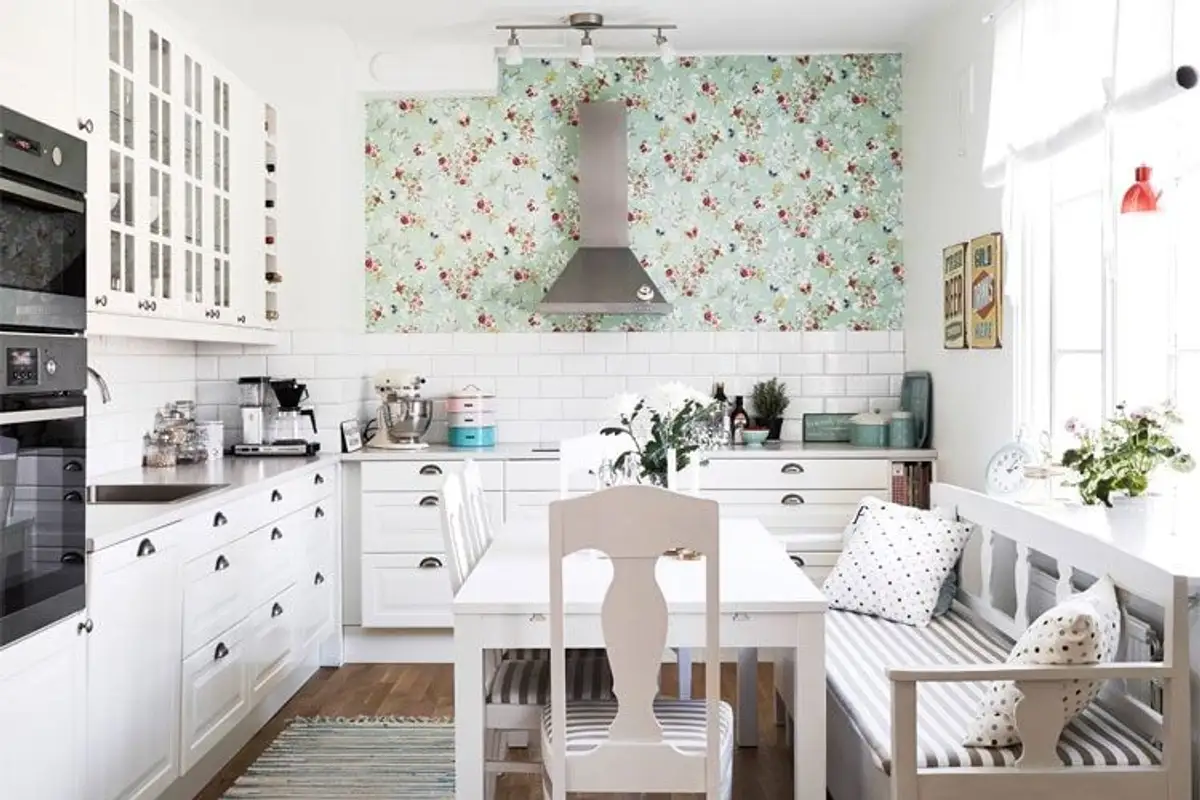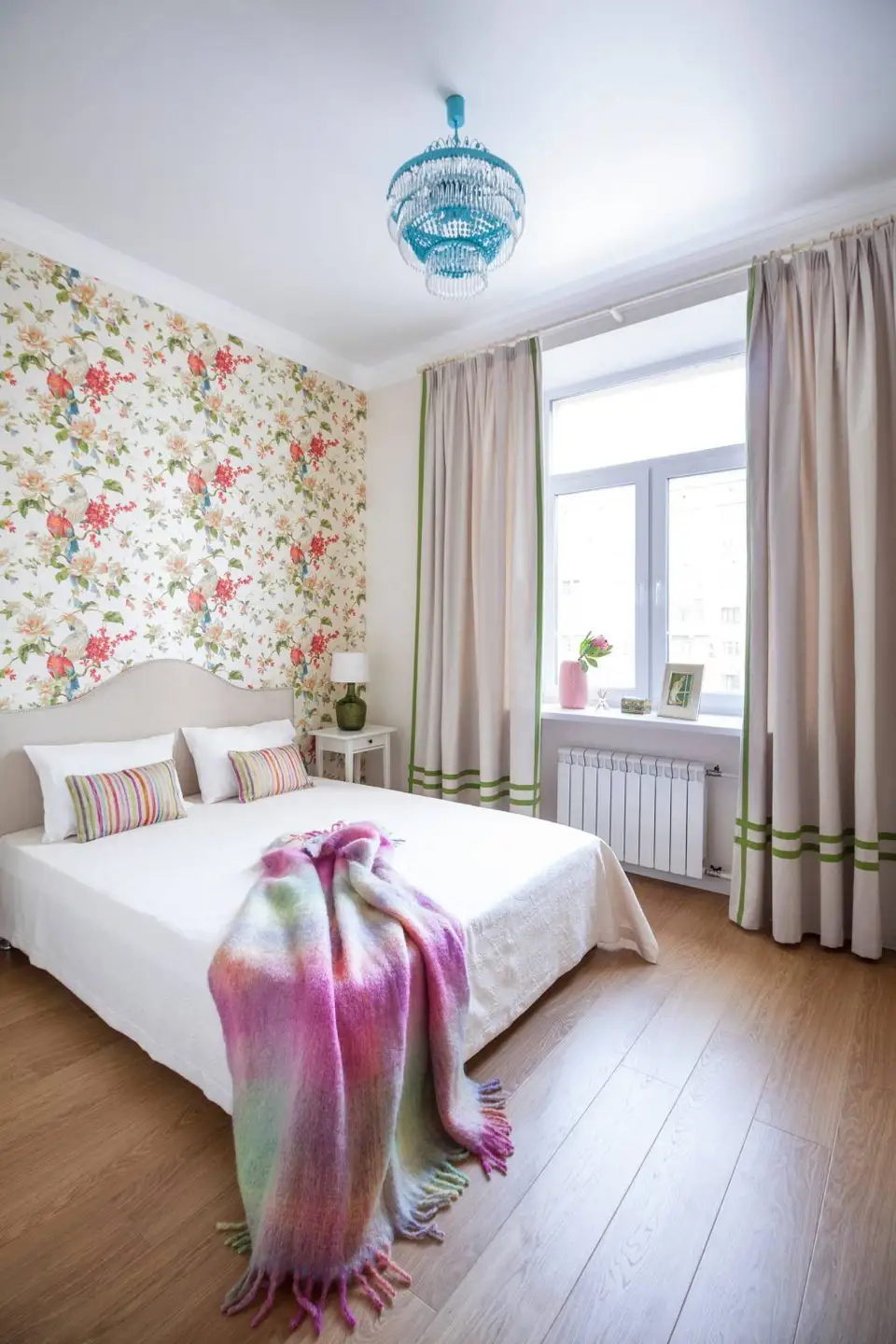
Creating an accent wall is a unique way to highlight an architectural detail, break the monotony of a room, or simply add interest to the decor. You can achieve it using various methods and materials.
Open GalleryOne of the simplest options is to paint a wall a different color than the base color of the room.
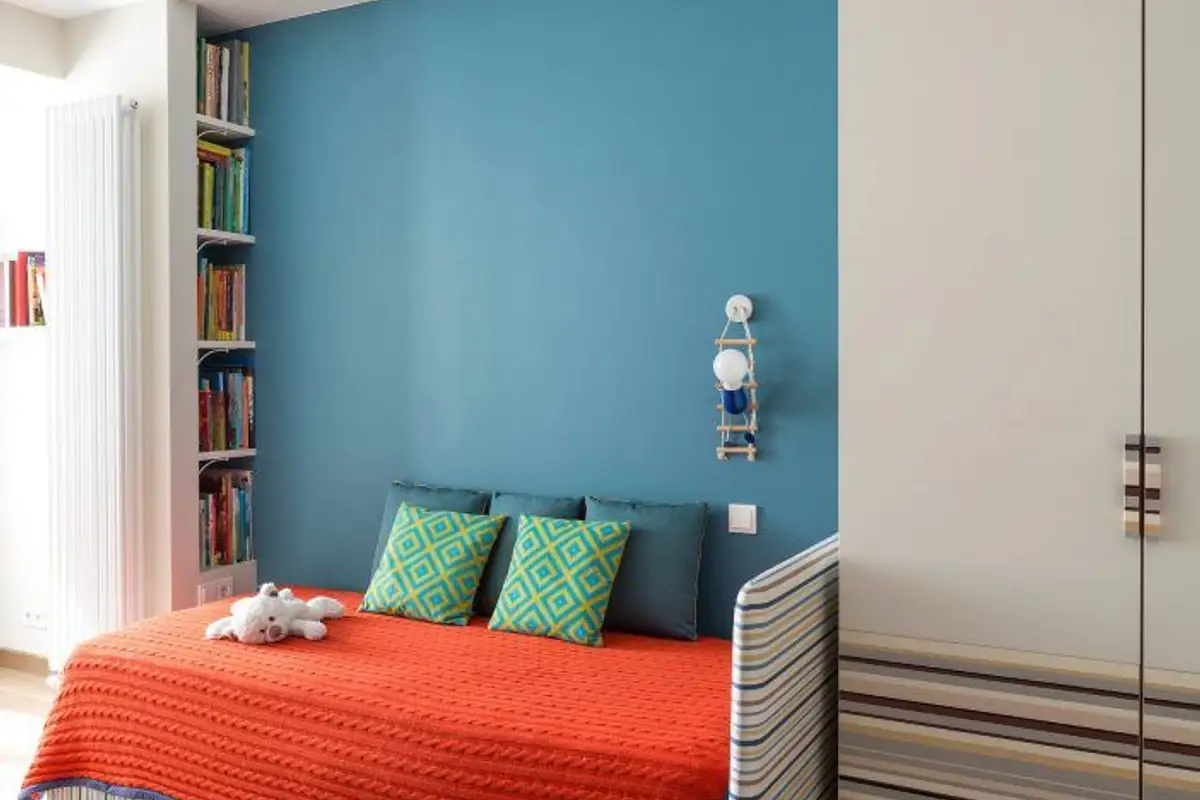
If neutrals currently dominate the design, opt for an intense color that stands out. The color wheel can be helpful in making a decision; you can choose complementary colors such as the classic combination – blue with orange – or analogous colors such as shades of green and blue. You can also vary here by using tints and tones of the selected colors.
Geometric shapes are among the modern trends explored in interior design. Choosing to decorate a wall with a geometric patterned wallpaper is a great choice.
Create an accent wall with wood. You can choose to clad an entire wall or limit yourself to the headboard level, if we're talking about the bedroom. The same idea can be applied using stone. An accent wall with travertine will make your bathroom truly unique.
A wallpaper with an abstract pattern or pattern created with a stencil(with a decorative template) is an interesting idea to use for a child's room. You will get an exceptional accent wall with chalkboard paint in the kitchen, on a cabinet or in the playroom or even in front of a desk. You will be able to write and draw something different every day on the wall.
An accent wall will add interest to the room, being the focal point when entering the room. You can capitalize on this aspect and bring together different art pieces (paintings) or a collage of photographs.
For book lovers, the accent wall of the room can be built from a bookshelf with all your favorite titles; you can add small decorations among them for an extra touch of interest.
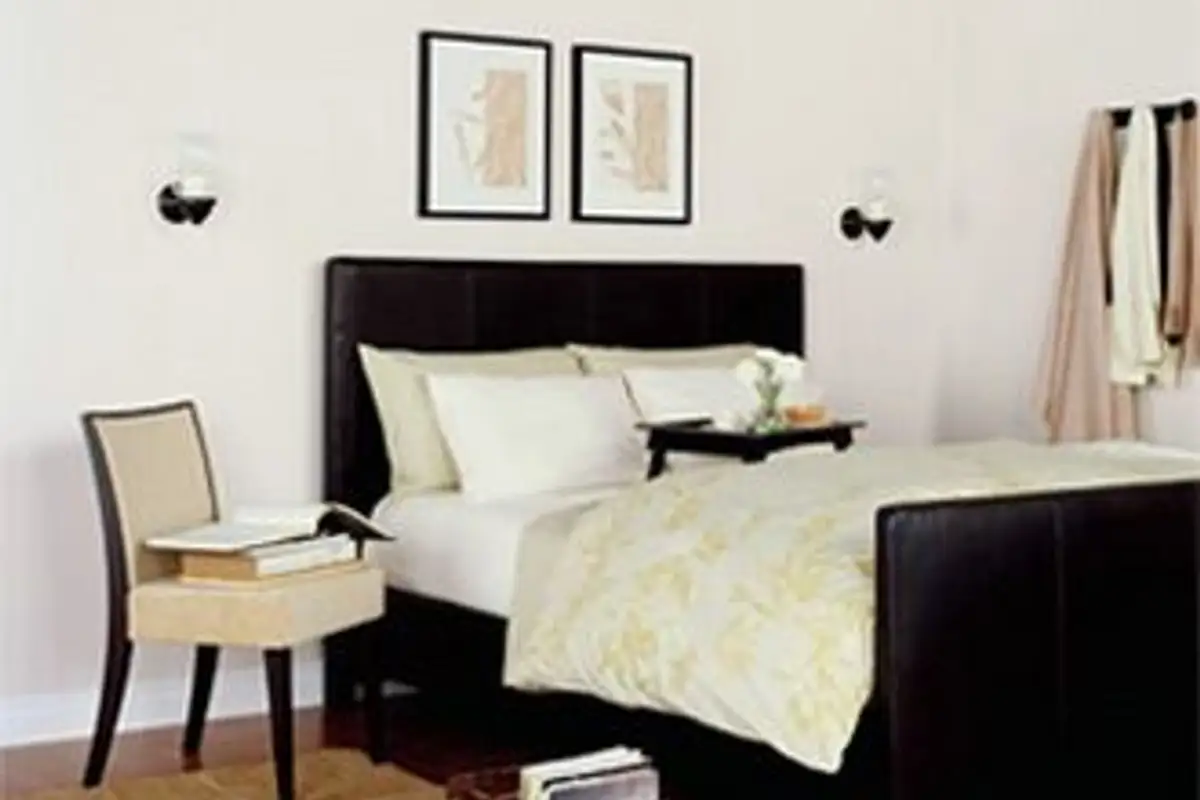
Initial wall
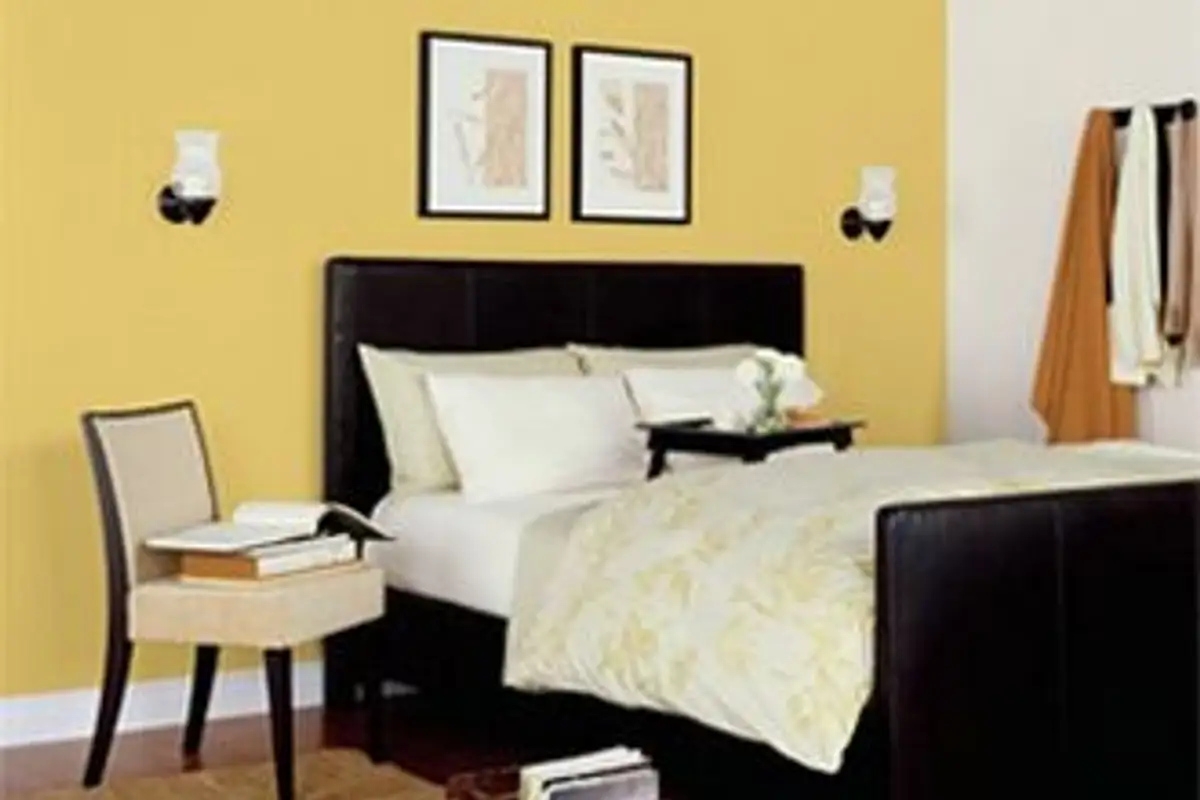
Accent wall created by adding a stronger color but in the same chromatic range