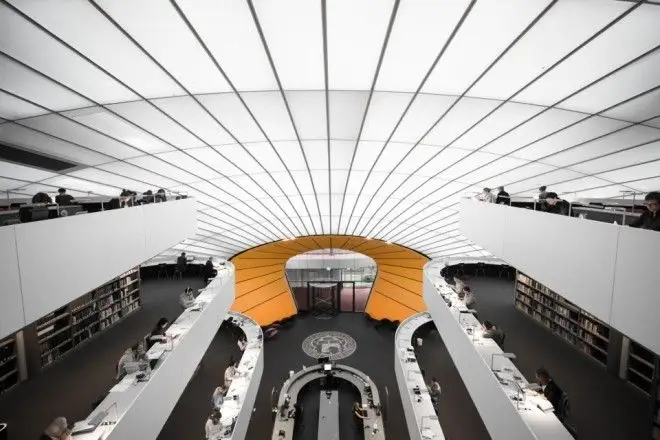
Even though we now carry thousands of volumes with us every day thanks to devices like Kindles or e-book readers, nothing compares to the feeling of reading a book in its original format.
Literature also needs spaces designed to match its beauty, and over time, architects have built spectacular buildings intended for precious volumes that preserve within them entire years of history of peoples.
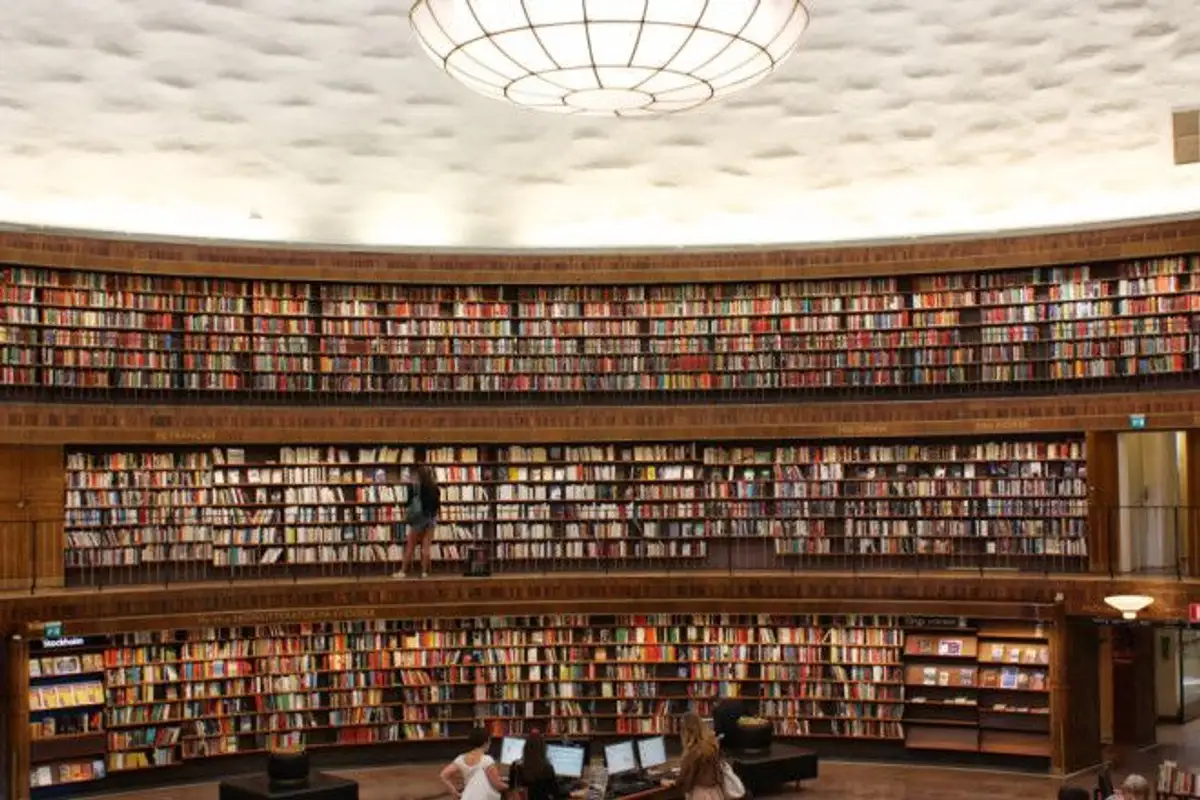
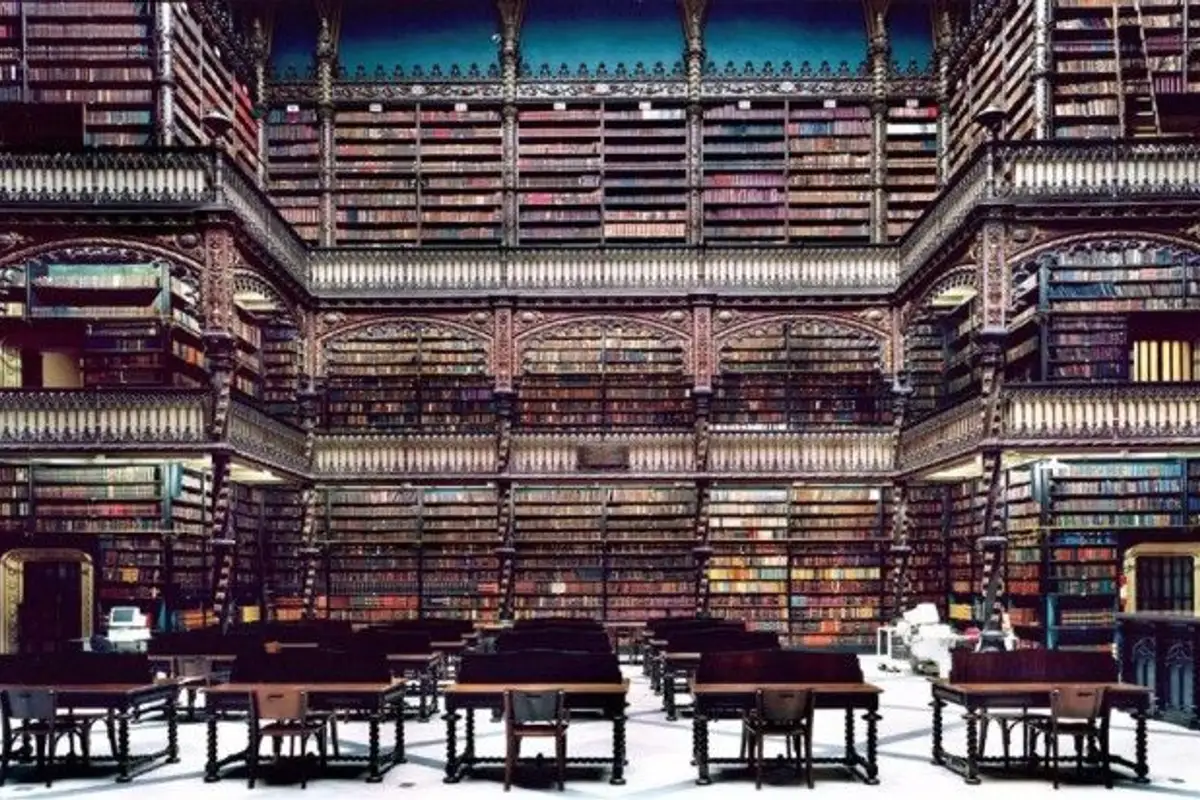
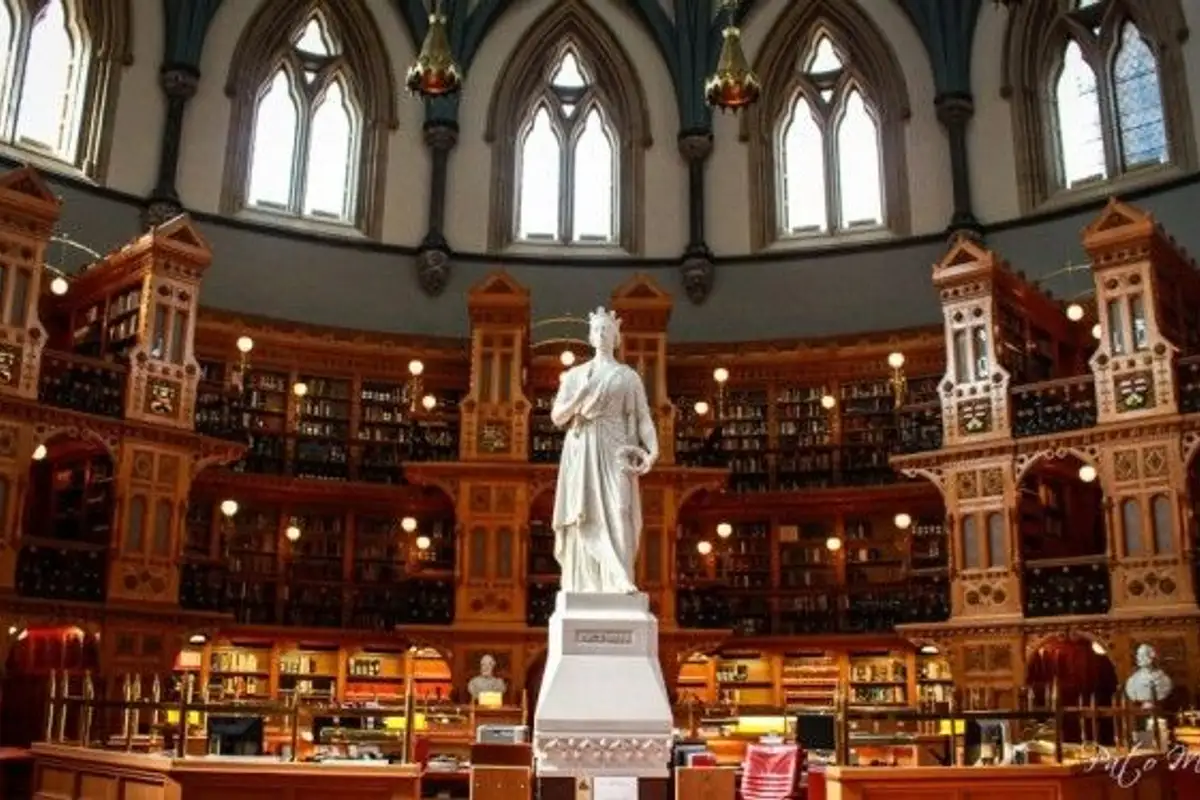
Below are a few examples of libraries from around the world, each with a unique and special beauty.
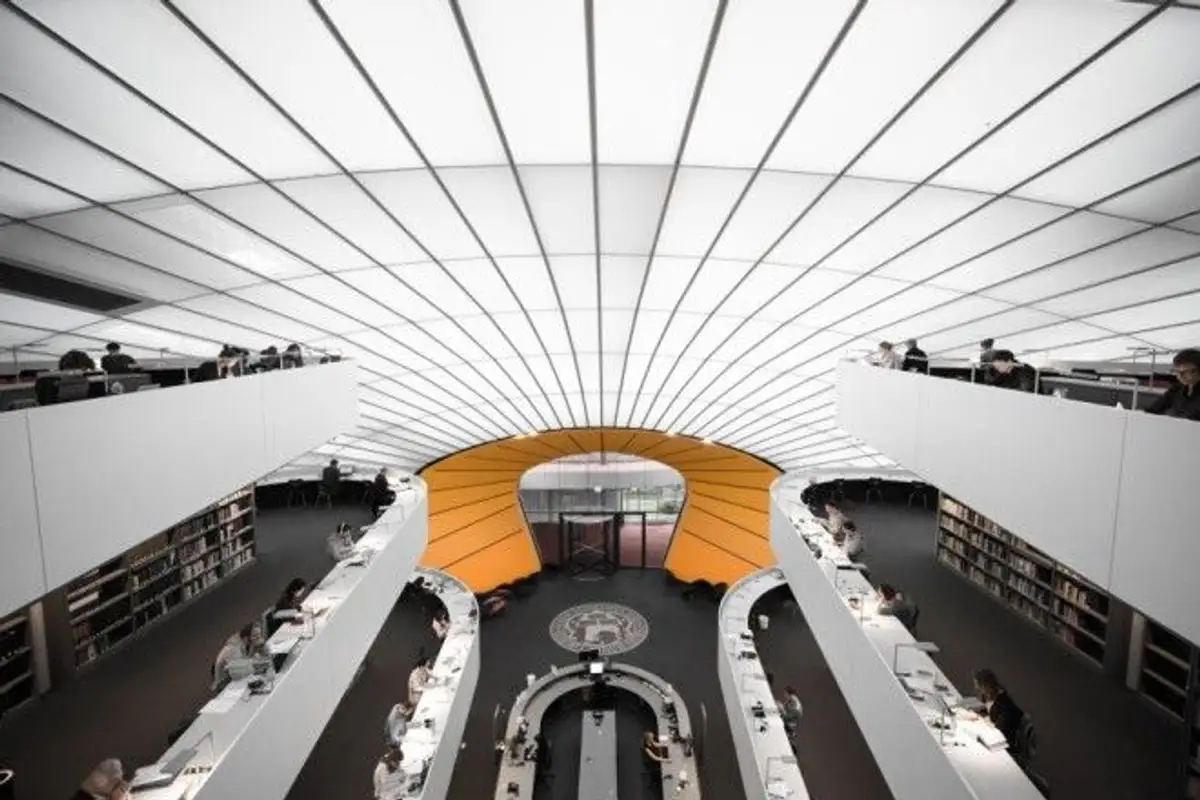
Freie Universitat Library, Berlin, Germany: With an archive of over eight million volumes, 38,000 electronic journals, 400,000 e-books, and 1,300 databases, the Freie Universitat Library in Berlin is one of the most important in all of Germany.
Internationally recognized for research in the fields of social sciences and humanities, as well as natural sciences, it was built in 1948 in West Berlin.
Biblioteca Vasconcelos, Mexico City, Mexico: Also known as the Megabiblioteca, the Biblioteca Vasconcelos is located in the north of Mexico City's capital. Dedicated to Jose Vasconcelos, this structure occupies an area of over 38,000 square meters and cost approximately $98 million.
It was inaugurated on May 16, 2006, and was considered one of the most advanced constructions of the 21st century. A year later it was closed due to structural defects but reopened to the public in 2008.
New York Public Library, New York, NY, USA: The New York Public Library (NYPL) is a public library with an archive of over 53 million volumes, placing it third in the world in size. It was built in the 19th century, and the impressive collection's foundation was laid by wealthy American families, bibliophiles, and through the accumulation of social libraries.
Humboldt University Library, Berlin, Germany: This library is part of Humboldt University in Berlin, one of the oldest universities in Germany, founded in 1810. In 2012, it was chosen as one of the best universities in Germany. No less than 29 Nobel Prize winners have emerged from its benches.
The library was built between 1871 and 1874 by architect Paul Emanuel Spieker.
National Library of China, Beijing, China: Also known as the NLC, the National Library of China has a collection of over 31 million volumes. It houses the largest and most diverse collection of Chinese literature and historical documents in China. It was founded in 1909 by the Qing dynasty government.
Strahov Monastery Library, Prague, Czech Republic: Strahov Monastery is a monastery founded in 1143 in the locality of the same name in Prague, Czech Republic. Reconstructed after a fire that occurred in 1258, the monastery and its library have withstood the test of time. After the fall of the Iron Curtain, it was renovated and is now open to the public.
Its archive numbers over 200,000 volumes, including 3,000 originals.