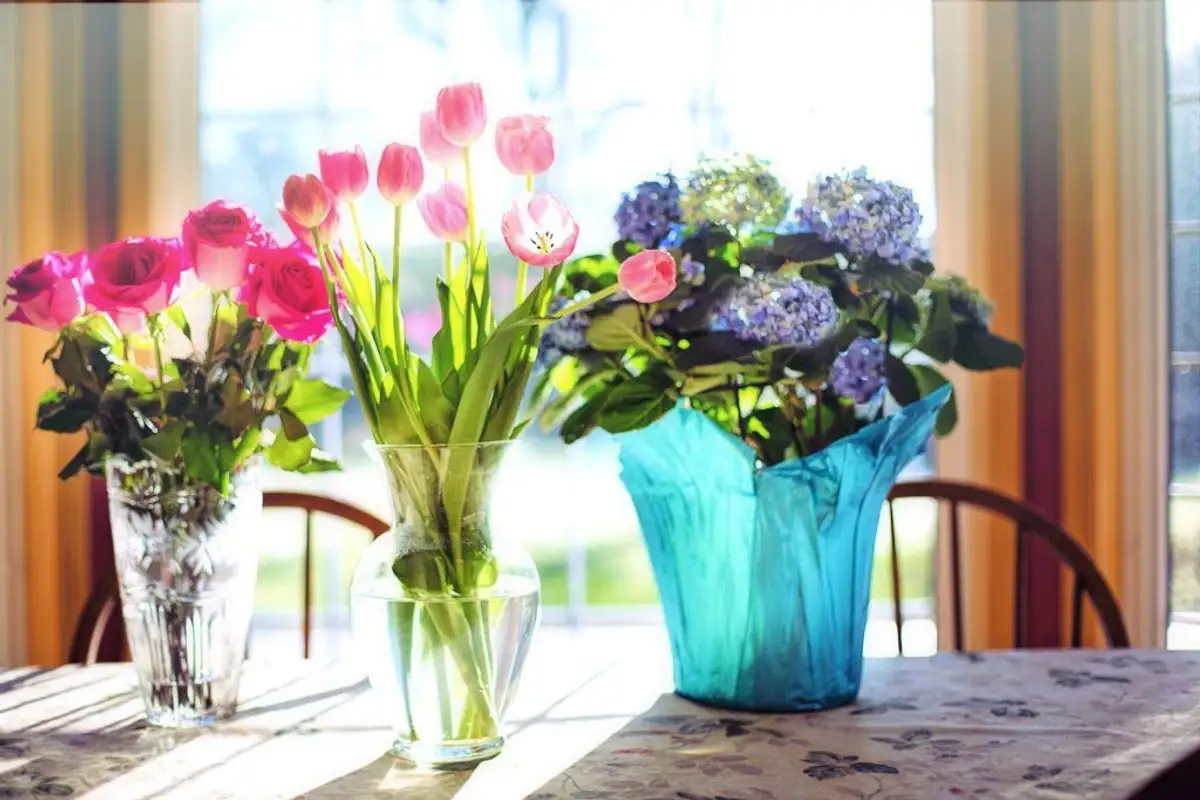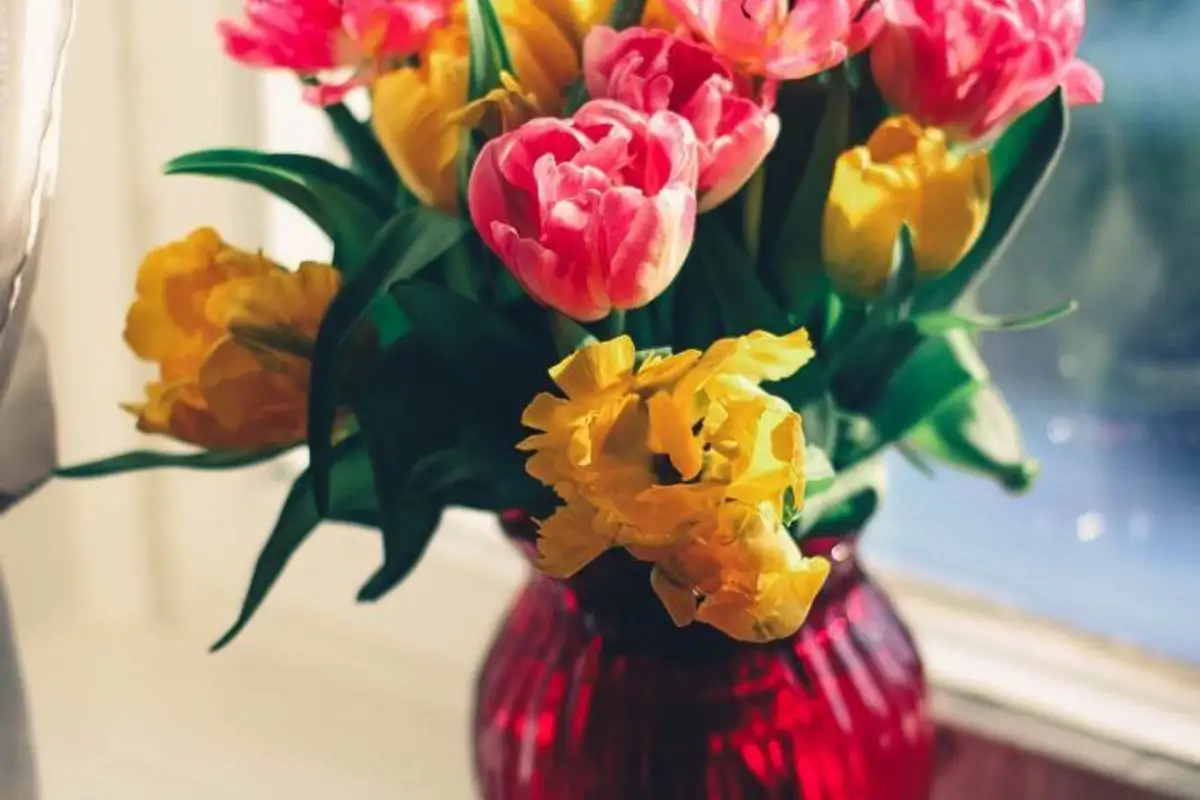
Flowers are indispensable to any respectable garden, being appreciated for their beauty and fragrance. They have the gift of transforming the space around the house into a charming and welcoming place, delighting the eyes and bringing joy to hearts.
But when you want to bring some of their cheer inside your home, it is very important to know how to prepare the flowers that are going to be put in a vase so they will last a long time and so you can admire them for days on end.
Flowers picked from the garden to be kept in a vase need an environment as clean as possible, free of bacteria, and require special care to stay fresh as long as possible. Following the steps below will ensure that your beloved flowers will retain their appearance for a longer period of time, allowing you to enjoy their energy and delicacy.
1. Harvest the flowers from the garden at the optimal time
Flowers should be picked in the early morning when it is cool and before the dew has evaporated, as they are then hydrated and do not lose as much water. It is good to make sure that the flowers have been well watered a few hours beforehand.
Choose buds that have begun to open; if you pick the buds before they start to open, there is a risk that they will not be developed enough to bloom when moved into a vase. If the flowers are picked too late, long after they have opened, they will not last long and their petals will begin to fall.
Flowers should not be broken but cut, otherwise there is a risk of damaging the stem.
2. Cut the base of the stem and clean the leaves
Before putting the flowers in the vase, they need to be prepared. Remove the leaves from the stem so that there are no leaves submerged in water. Leaves that will be above the water level should not be removed unless they are withered.
The flower stem needs to be cut to a suitable length, depending on the container it will stand in, so that the flower is above the water without any petals coming into contact with the water. This will avoid contamination and keep the water fresh for longer.
The stem should be cut at an angle to increase the surface area for absorption and prevent it from being blocked by the bottom of the vase. Sharp, clean instruments should be used for cutting stems. Using scissors can crush the stem, so it is better to use a knife or blade, taking care to sterilize them beforehand to avoid contaminating the stem.
In the case of roses, it is best not to remove the thorns, as this will lead to injury to the stem and reduce their resilience.
3. Use a clean vase and fresh water