We are convinced that many of you reading this article are enjoying a cup of coffee at the same time. Undeniably, this wonderful beverage is part of our lives, or rather, our morning ritual.
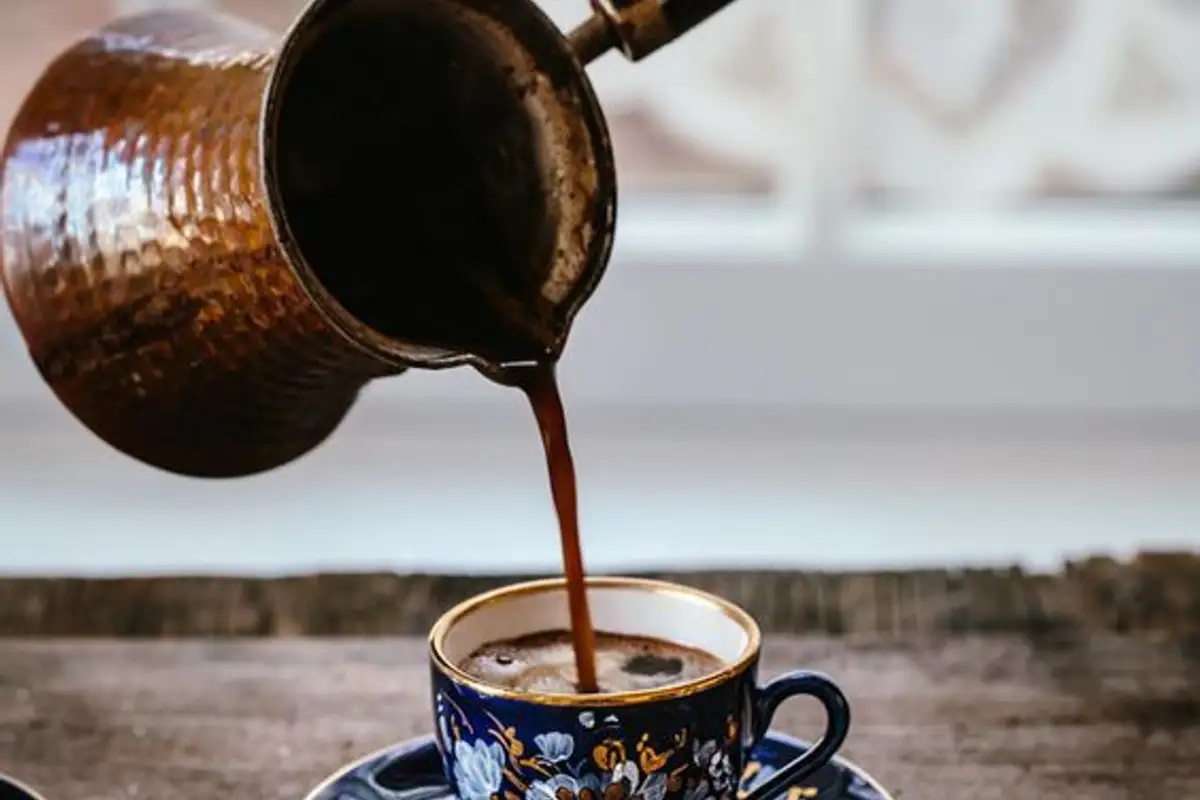
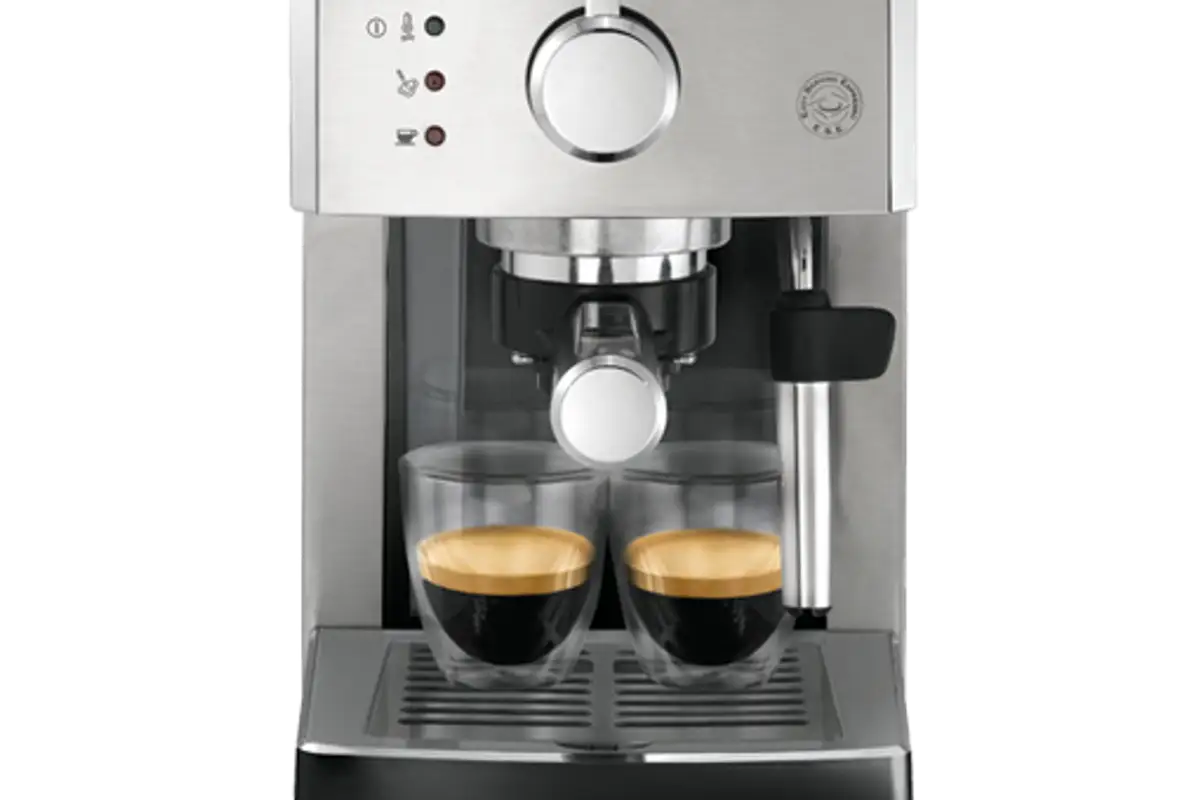
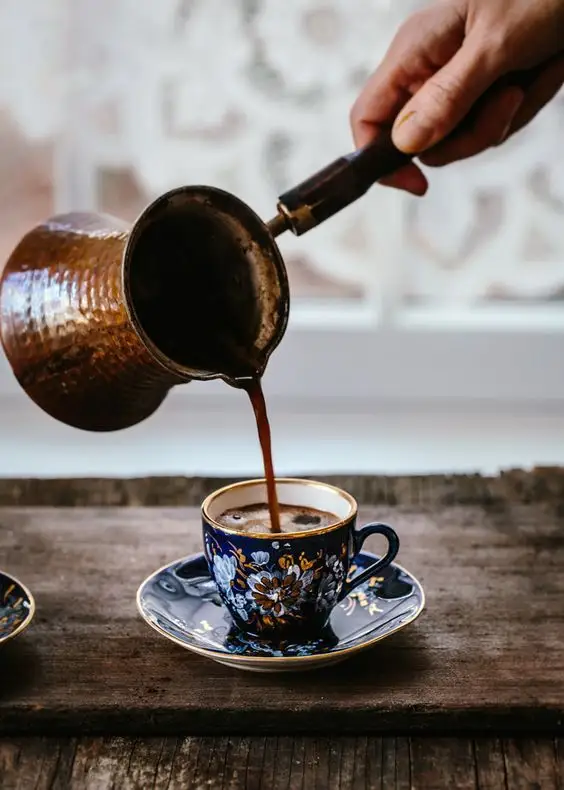
Drip, stovetop, espresso simple or with milk, each of us prepares this magic elixir differently to face a new workday. With every brewing method, the product obtained offers a unique flavor that delights our taste buds.
Depending on how you choose to prepare your coffee, you will be able to experience different aromas and notes extracted from the beans. For example, the longer the bean is roasted and the darker it becomes, the more caffeine evaporates. At the same time, obtaining specific aromas from raw green beans can be achieved using various roasting techniques.
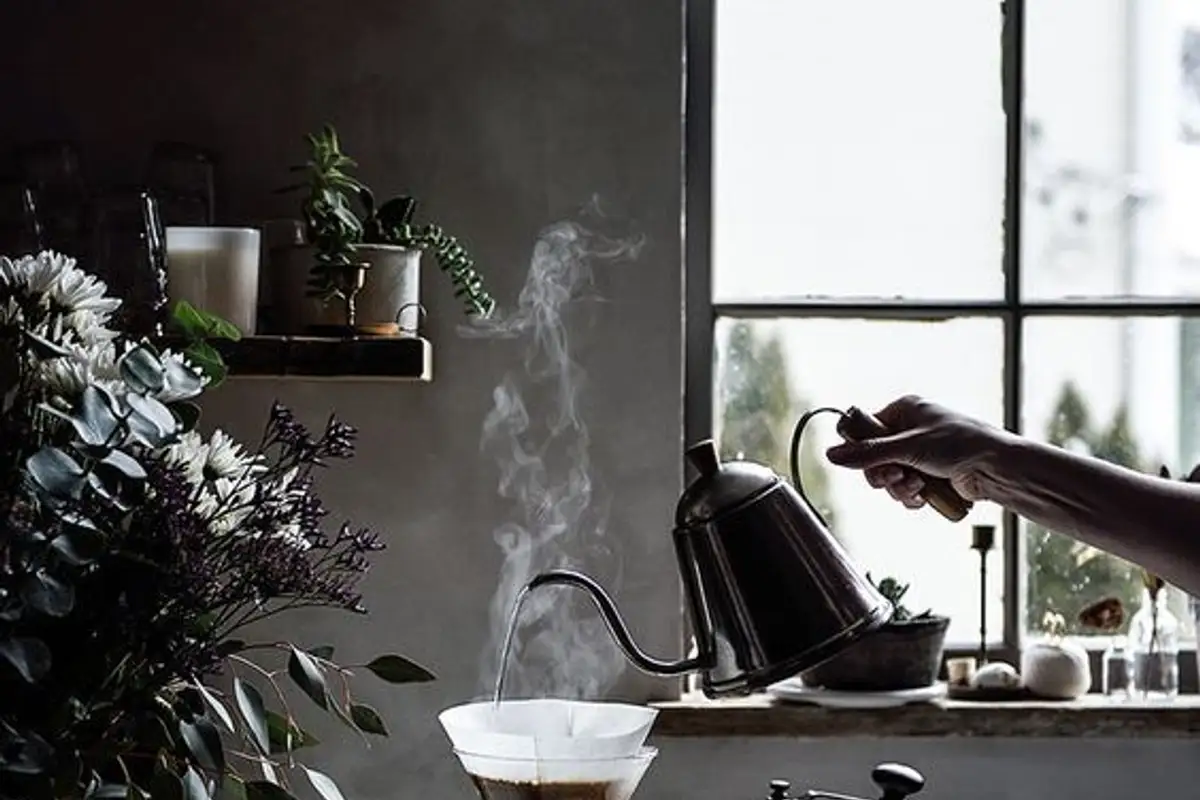
As for brewing methods, drip coffee is probably the most familiar to you; it uses a coffee filter through which hot water is poured over ground coffee in a filter.
The other method is called extraction and represents the amount of coffee extracted by water during brewing. Optimal extraction depends on a variety of factors such as brewing time, temperature, and the size of the ground particles. That's why we perceive different taste nuances. We could say that no two cups of coffee are alike.
Even a slight variation in water temperature or 2-3 seconds more or less can determine taste variations, even if you use the same type of coffee. If you remember that your last cup of coffee tasted bitter, then this may have happened due to over-extraction. Even overly intense roasting could lead to such a bitter sensation.
And since we mentioned types of coffee, the most common are Arabica and Robusta. Of these two, Arabica has the largest share, being the most consumed coffee. Its origins vary, from Central and South America to Africa (Kenya, Ethiopia) and even certain areas of Asia.
It grows at high altitudes between 600 and 2000 meters above sea level, and these variations, as well as the balance between heat and humidity, will make Kenyan Arabica different from Colombian Arabica. Coffee beans have at least 800 aromas that can be detected by our senses, so a properly brewed coffee will allow you to feel these differences.