As mentioned in a previous article, The color wheel can help us when we want to decorate our homes. We also remembered the analogous colors and their meaning. Today, we will discuss some ideas and examples for integrating them into a room's design.
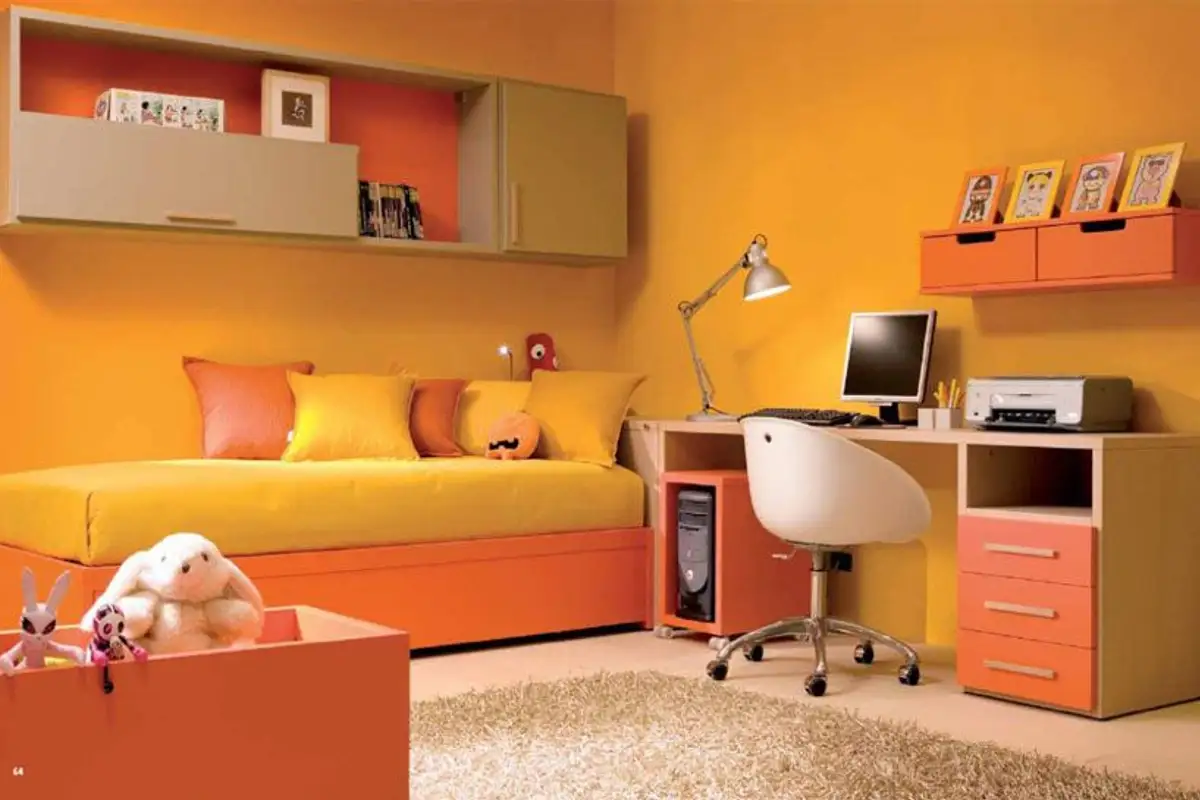
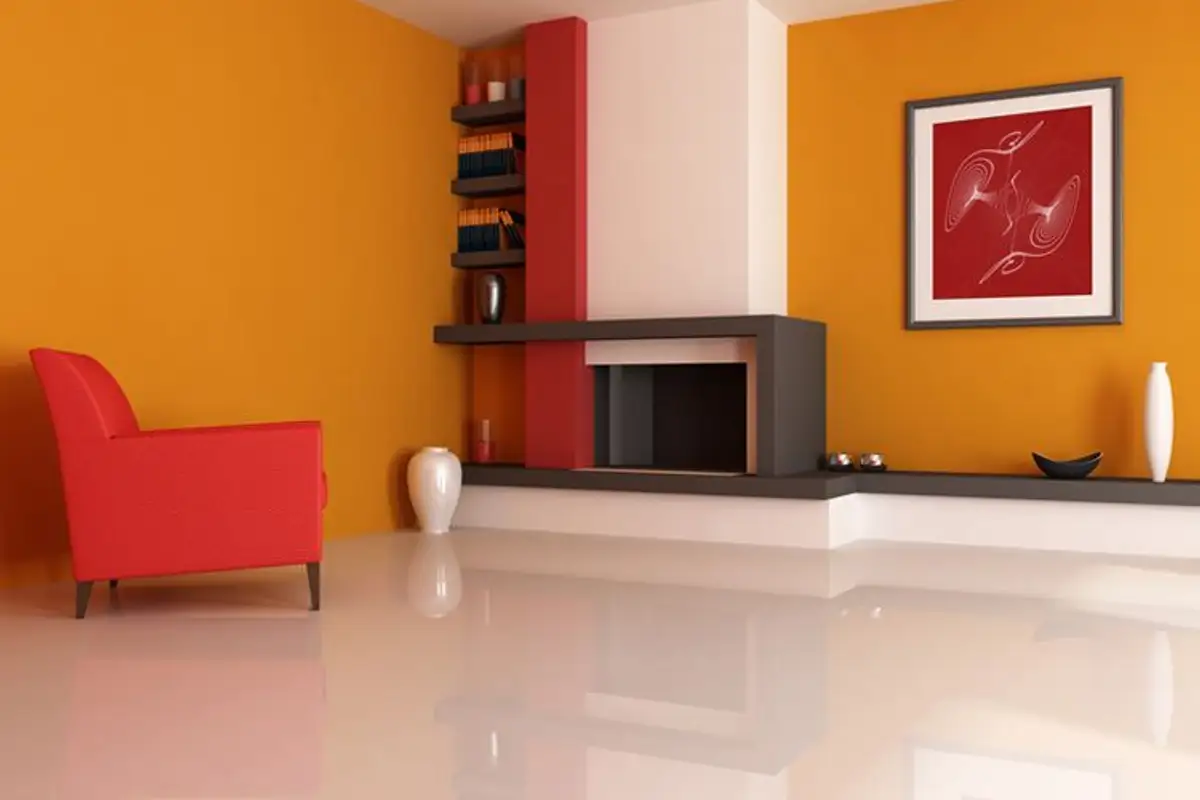
Analog colors are neighboring colors found next to each other on the color wheel. Yellow-orange, orange, and red-orange form a typical analog chromatic scheme. Similarly, yellow, yellow-green, and green do as well. Any of these combinations add interest and harmony to any interior design.
When deciding on one of the combinations, you first choose a primary color and then select the shades and tones from the left or right of that color (see gallery).
These analogous colors can be used in different proportions depending on the desired effect. If you are afraid that all these colors would be too much for the room, you can try decorating the base with neutral shades and accentuating with analogous colors.
A combination of blue, blue-violet and violet can be a suggestion for an analogous color scheme that offers tranquility and a touch of elegance to the space.
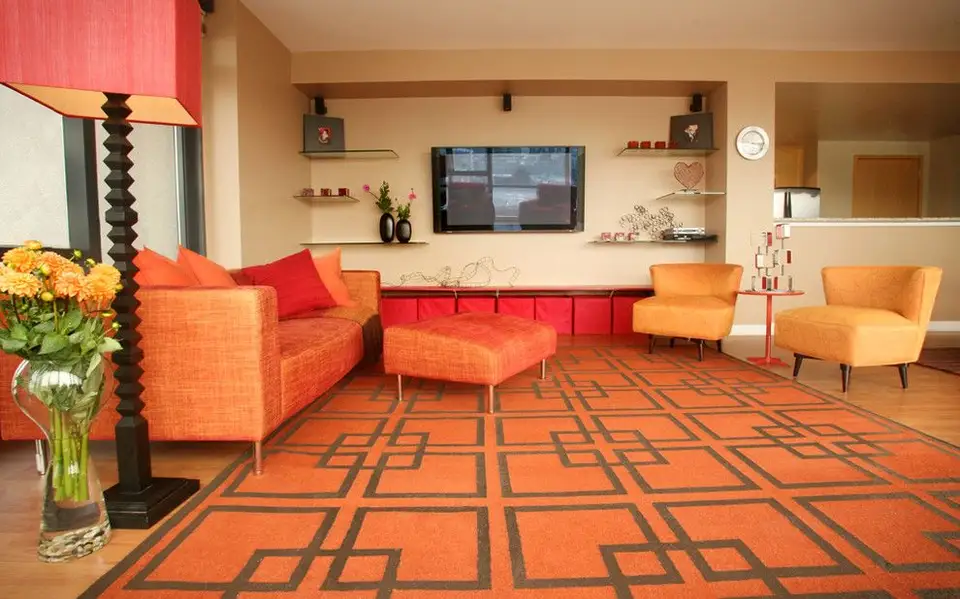
Red, red-orange and orange bring an explosion of energy and dynamism to any space. Accentuate textile details such as upholstery, rugs or decorative pillows. Leave the background walls a neutral cream or beige to balance the décor.
Another interesting mix is the one between blue, turquoise and green, which brings us closer to nature, to the organic. A white background will highlight the beauty of this color scheme.
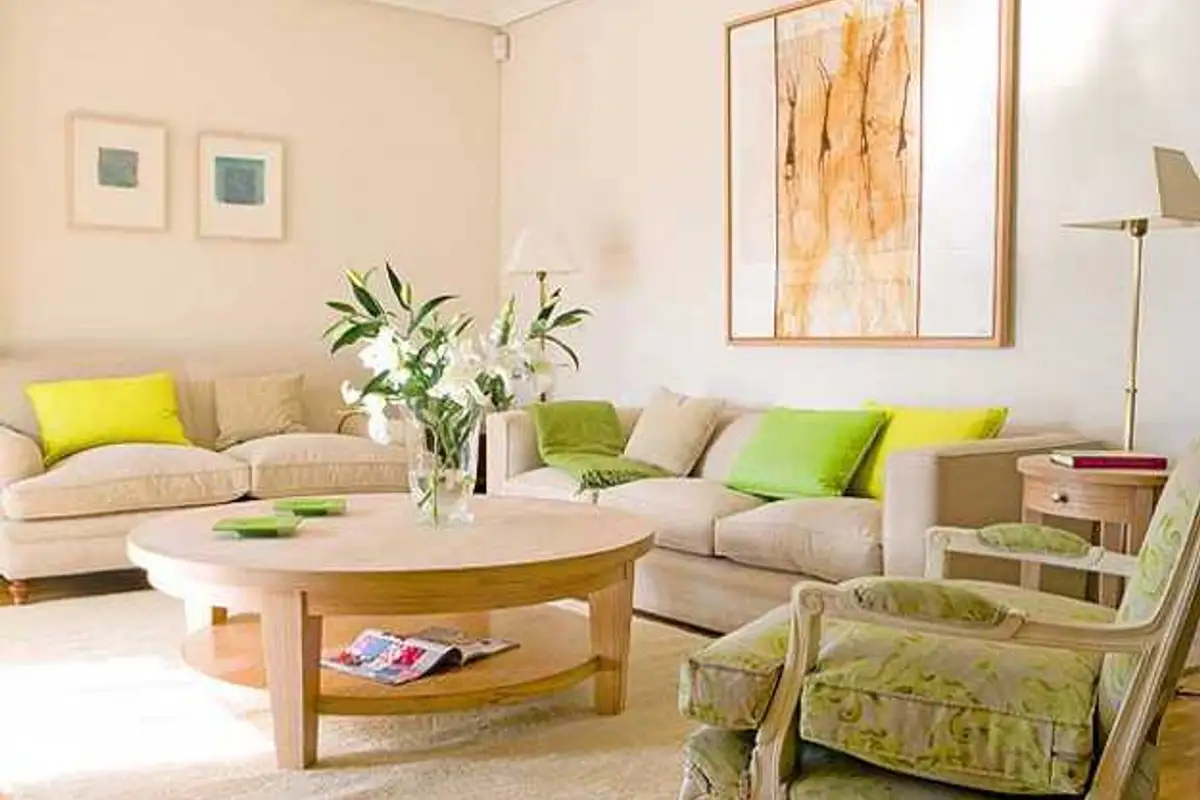
Green, green-yellow and yellow represent a lively, warm, springlike option. Shades and tones may vary. The color in its pure form can be used to dominate an area or to visually delimit a specific sector of the home. For the rest of the room, opt for lighter, more muted shades to balance the whole.
Read also about: What do colors mean and what messages do they convey?
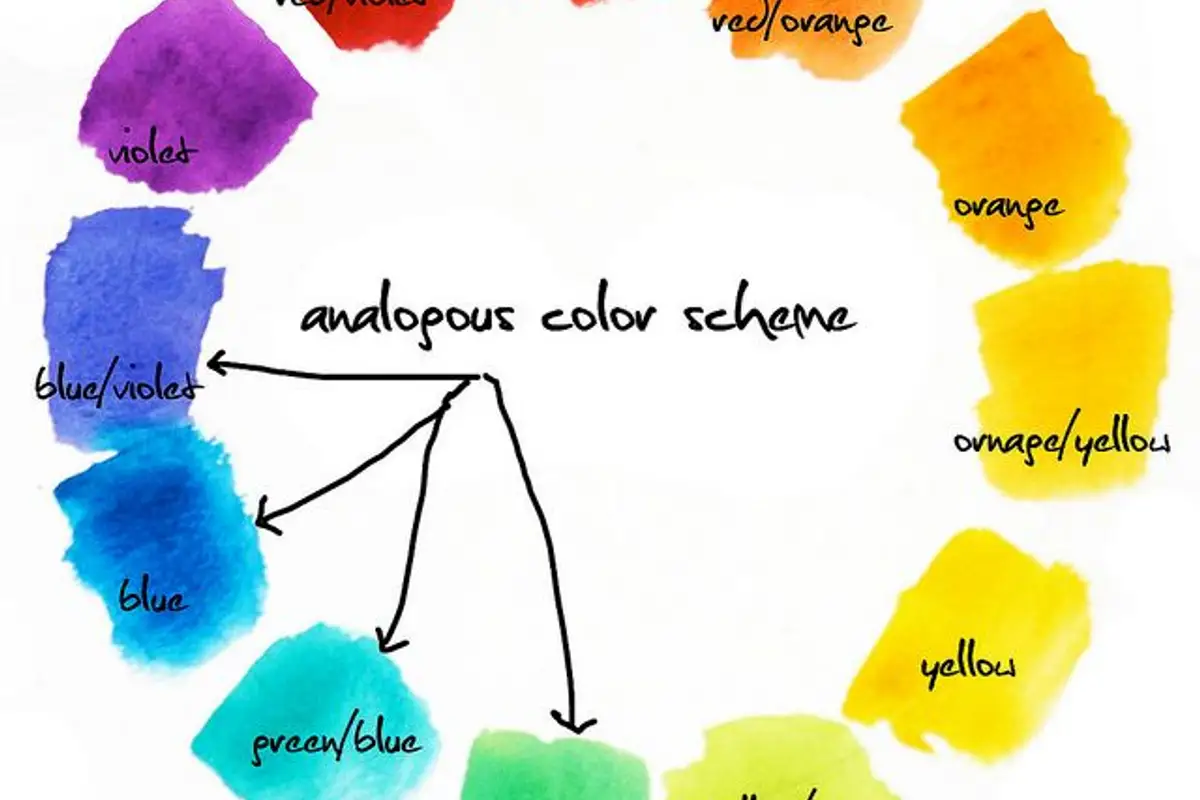
Analog Colors
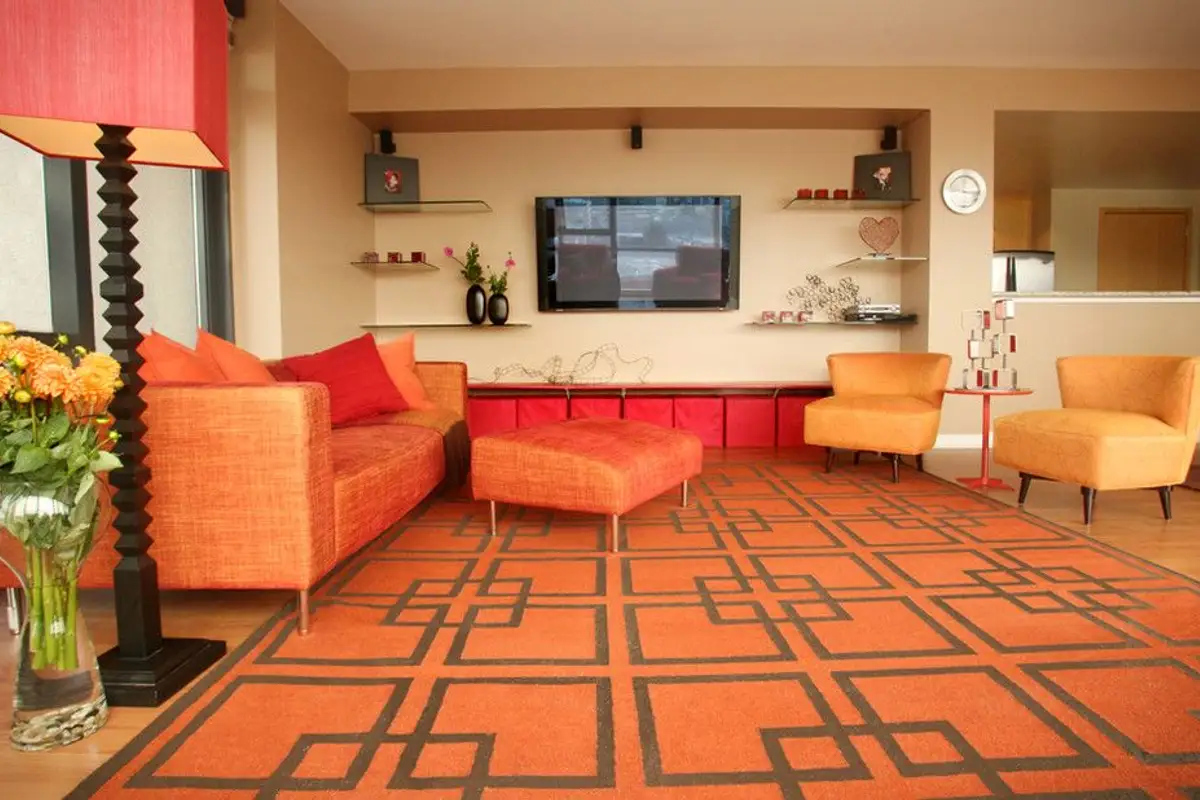
Analog Color Scheme