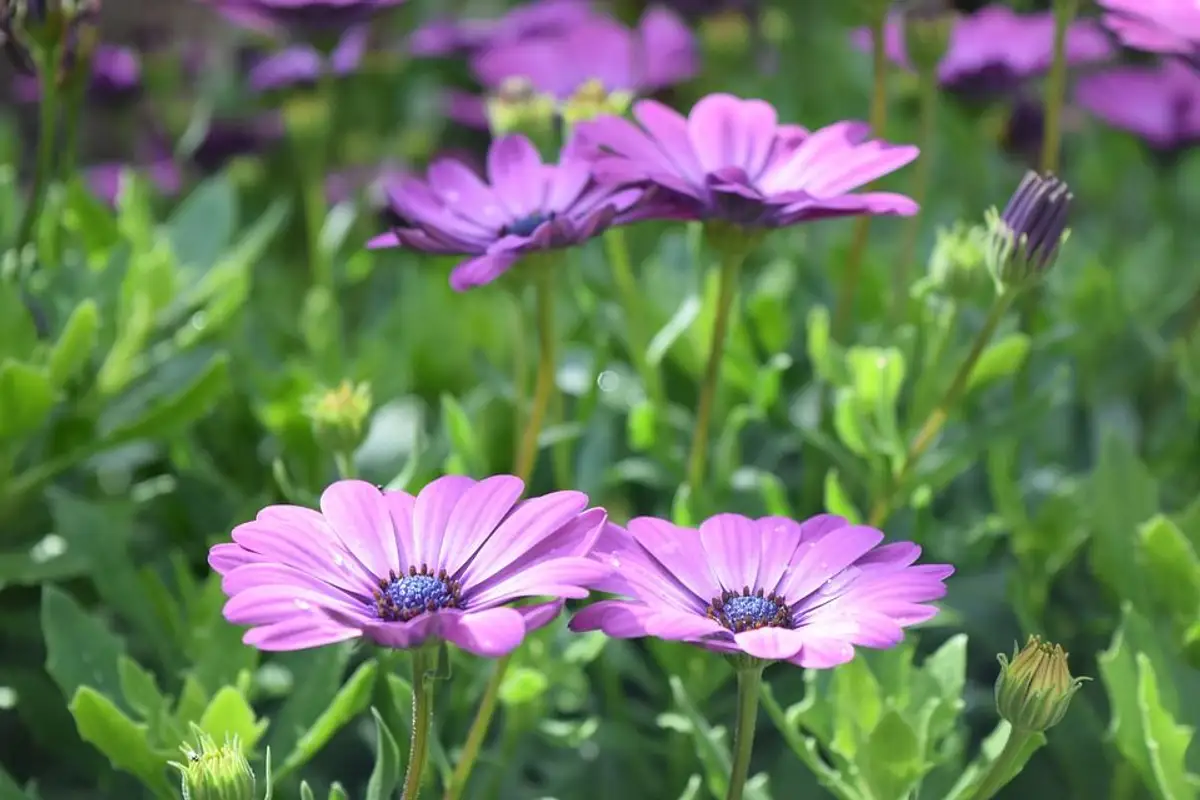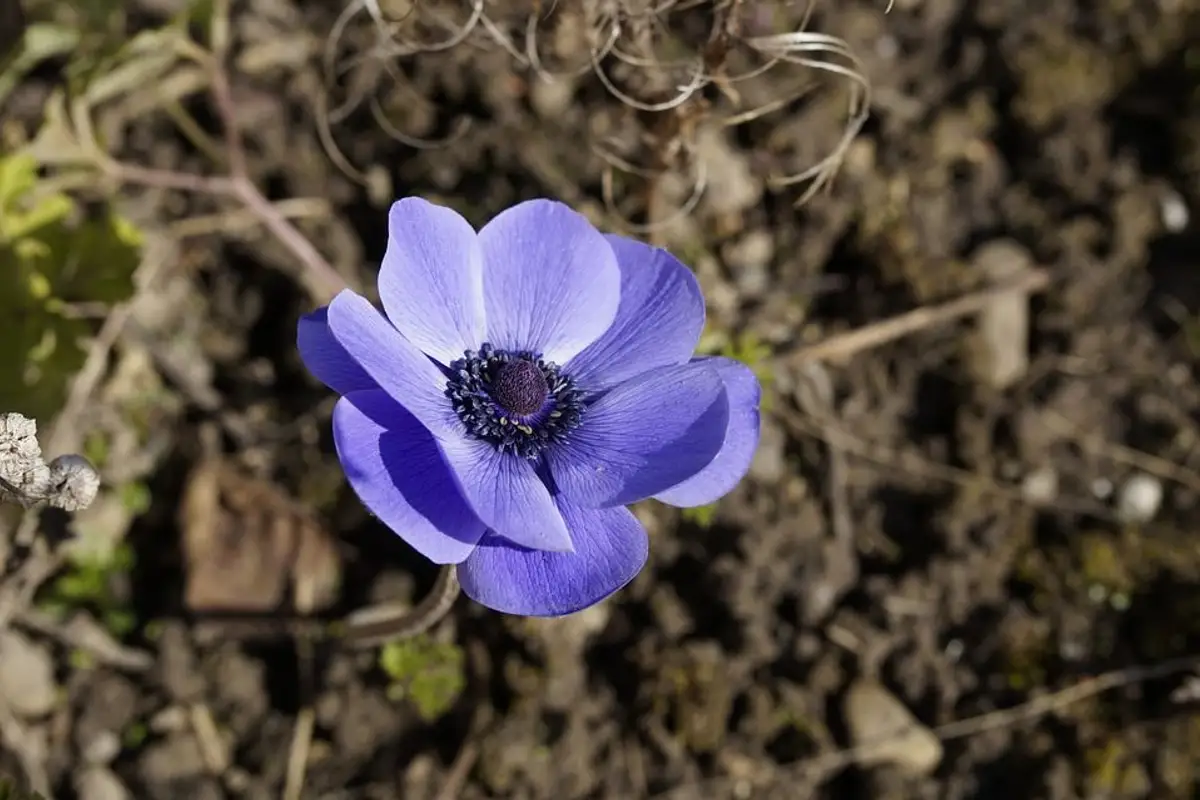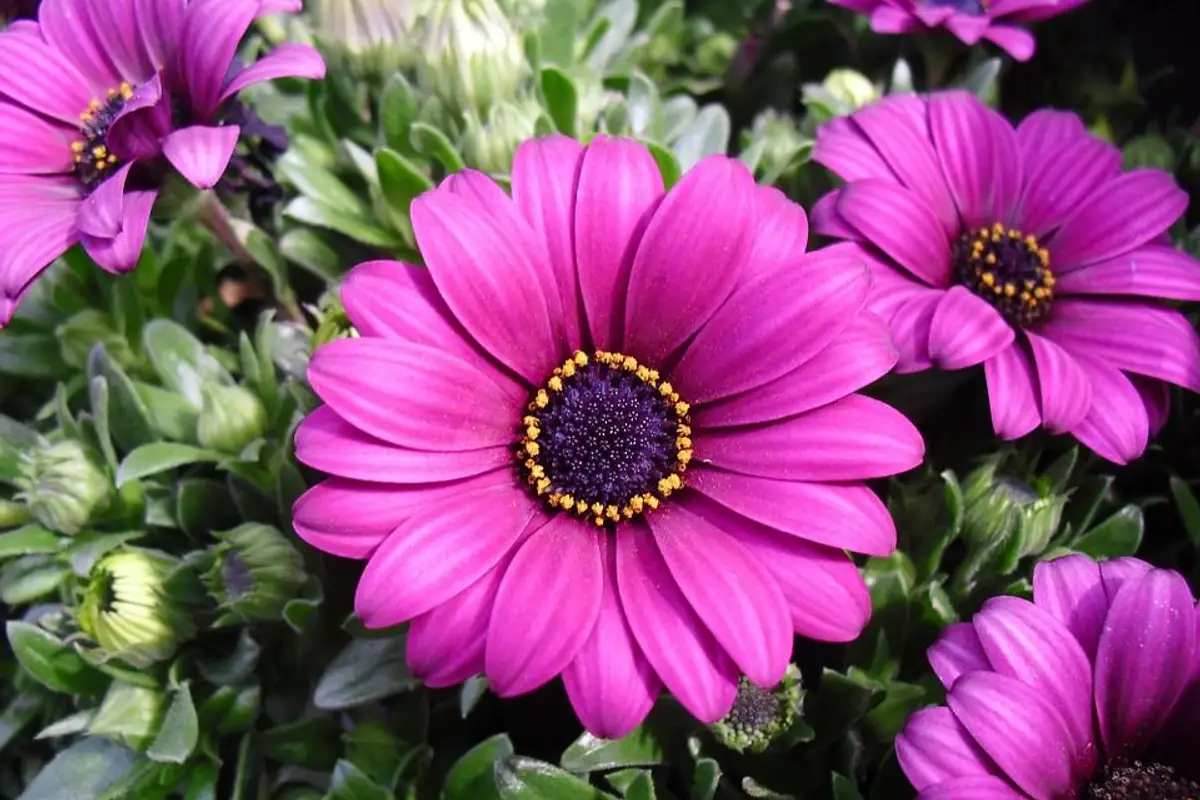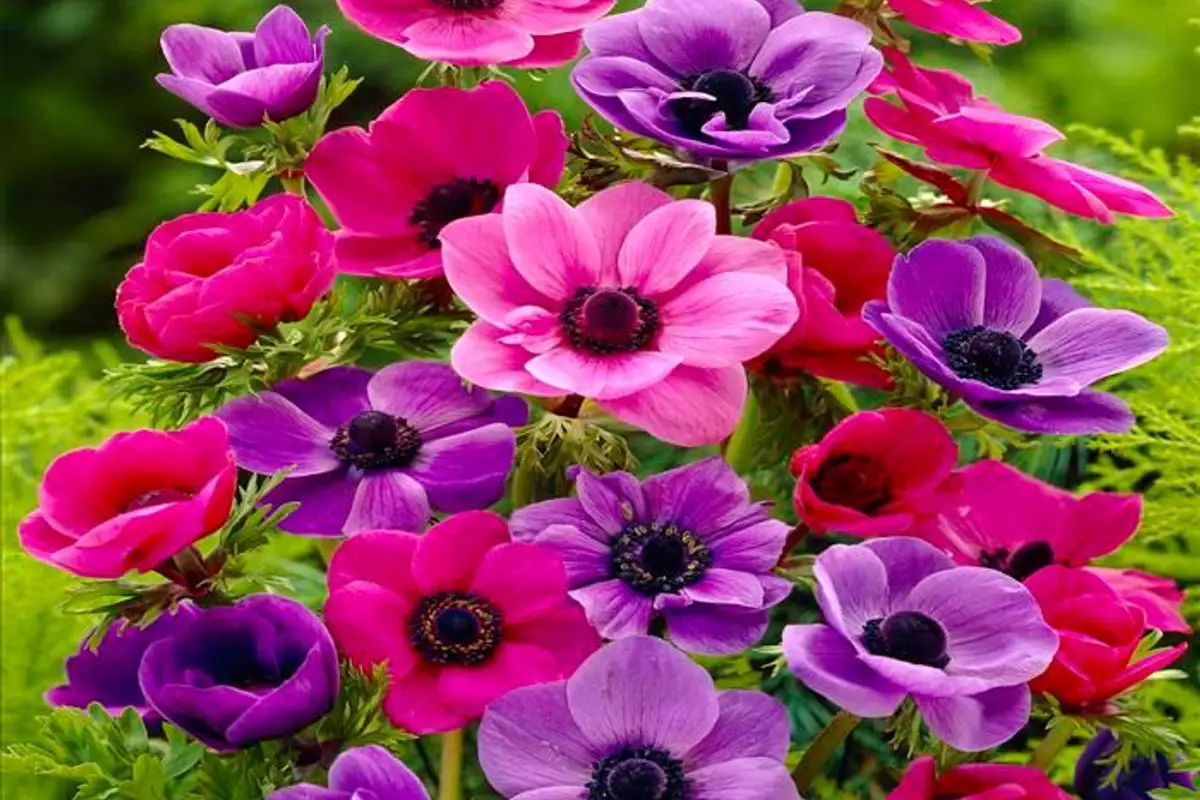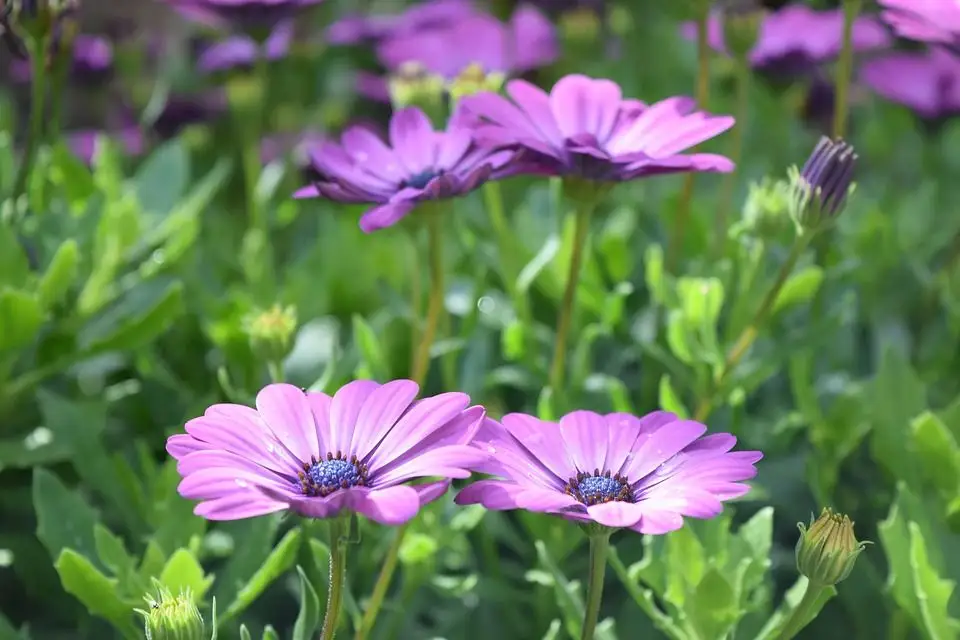
Spring is the time for anemones. These special plants impress with their beauty and meaning.
At first glance, anemones may not mean anything to you. But after hearing about the Easter flower, you'll know exactly what we're talking about. Yes, these are those wonderfully colored flowers that never bloom before March 13th and never later than May 10th. This is usually the time when Easter celebrations take place.
All flowers of the anemone species are native to the mountainous regions around the Mediterranean Sea. They stand out for their very intense colors, from red to blue and bright yellow. Botanist John Gerade, who first classified and established details about anemones in 1597, recorded that the petals of red anemones were used to dye Easter eggs.
Also known as windflowers, anemones get this name because their seeds are easily scattered by the wind thanks to fluffy bristles that cover them.
Anemones are herbaceous perennial plants with radical leaves and large flowers resembling poppies, in various colors, which usually bloom in spring. They grow in the wild but can also be cultivated as ornamental plants. The most well-known species of anemone is A. coronaria.
A. coronaria, a tuberous plant with a rosette of petiolate leaves of intense green color, similar to parsley leaves. This species has long stems, 15–20 cm, and at the top, it has a large flower of various colors with many stamens. The most common colors are shades of red, blue, pink, violet, or white.
There are also varieties with double flowers, in which the central stamens have been replaced by a cluster of narrow petals.
How should anemones be cared for?
To bloom and grow, they need a temperature of 10 degrees Celsius during growth, and during flowering, it is advisable to be around 14-15 degrees Celsius. Attention, very hot periods are not beneficial for anemones as they reduce the number of flowers. Anemones can be easily propagated by seed or by dividing the tuberous roots.
Anemone seeds have very low viability and must be sown immediately after harvest. When ripe, the fruit, which is capsule-shaped, bursts open and then the seeds can be collected before they are scattered by the wind. As we mentioned earlier, in July the plant enters dormancy, the leaves dry up and then the tubers are removed from the ground, and storage is done in dry and cool rooms.
If cut to be placed in a vase, anemones do not last long due to their intolerance to heat.
When cultivating them, it is important to remember that anemones do not get along well with daffodils. The substances released by daffodils are extremely harmful to anemones. It is also good to know that sometimes anemones are attacked by caterpillars. Frequently, anemones develop leaf spotting and mildew.
Anemones are watered moderately, especially during the vegetative period.