As we approach summer 2025, we all observe how the weather in Romania is becoming increasingly capricious: prolonged periods of drought, abruptly interrupted by short but intense torrential rains. These manifestations of climate change make us increasingly aware of the value of every drop of water.
Fortunately, an intelligent and accessible solution is gaining ground in our households: rainwater harvesting. It's not just an ecological trend, but a necessity and proof of responsibility, transforming a simple roof into a valuable source for home and garden.
Why harvest rainwater in 2025? Clear benefits in a changing world
You might be wondering why you would make this effort. Well, the reasons are as clear as freshly collected rainwater:
For your wallet: Water bills can become a burden, especially during the summer months when the garden requires constant hydration. Rainwater is, by definition, free. Collecting it will result in a significant reduction in consumption from the public network.
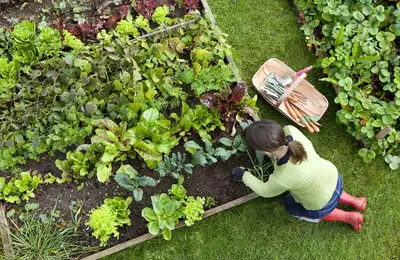
For your flourishing garden: Your plants, vegetables and flowers will love rainwater! It has a neutral pH and is free of chlorine and lime – substances often present in tap water, which can negatively affect soil and plant health in the long term. A garden watered with rainwater is a happier and more productive garden.
For the planet: Every liter of harvested rainwater means less pressure on drinking water sources, which are increasingly in demand. Moreover, by collecting rainwater, you contribute to reducing the volume of water that enters the sewer systems during heavy rains, thus minimizing the risk of local flooding.
For a certain degree of water independence: In the face of possible consumption restrictions during dry periods, having your own water reserve provides a degree of safety and autonomy.
Efficient rainwater harvesting systems: from simple to sophisticated
Regardless of your budget or technical skills, there is a rainwater harvesting system suitable for you. The essential components are similar:
Catchment surface: Usually the roof of the house, garage or annex.
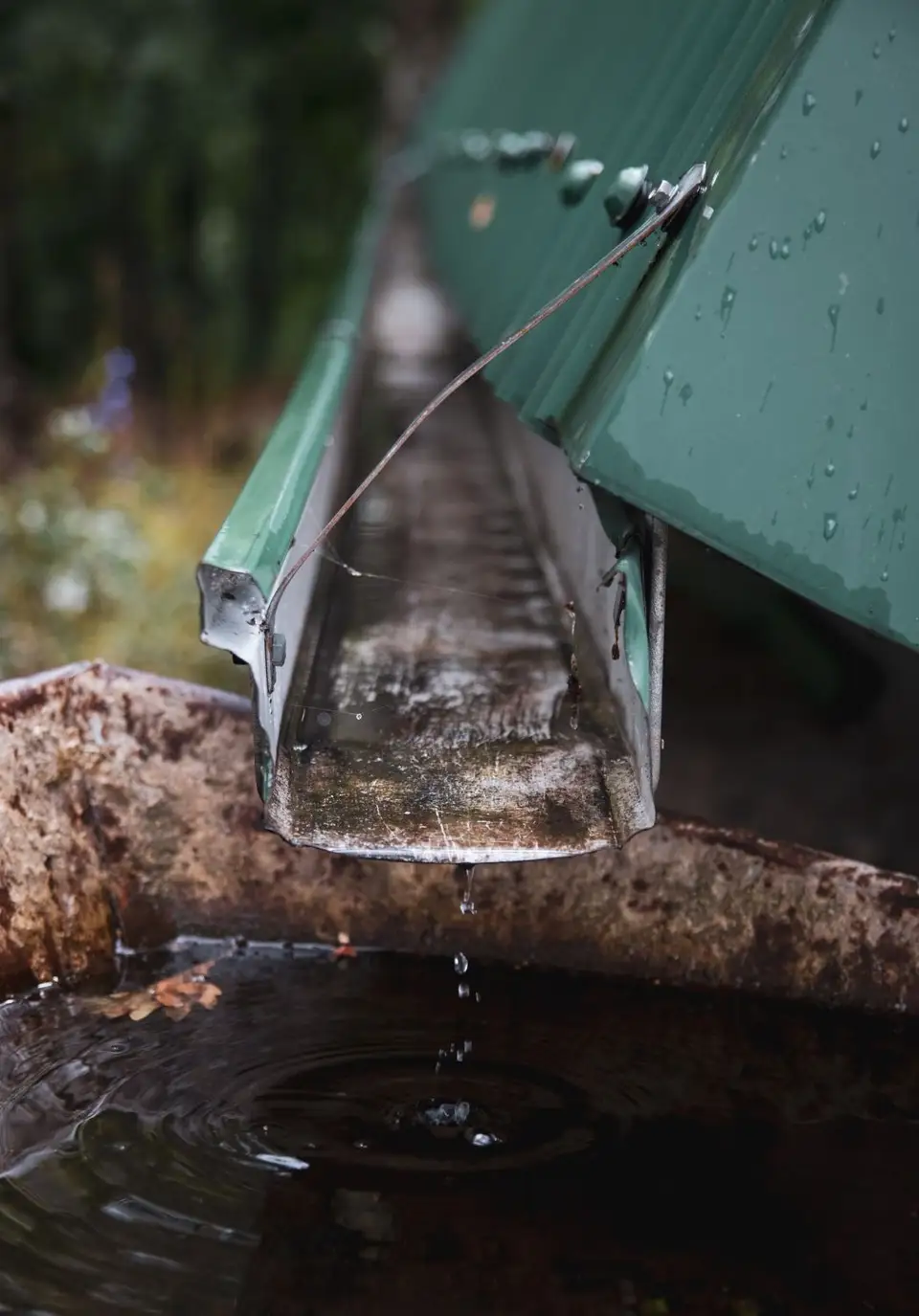
Gutters and downspouts: Direct water to the collection point.
Initial filter: A sieve or special filter to stop leaves, twigs and other larger debris.
Storage tank: The heart of the system, where the water is stored.
Distribution system: From a simple tap to a pump.
Simple, accessible systems: A DIY rainwater barrel is the most affordable method. A thoroughly cleaned food-grade plastic barrel or one specifically designed, placed under the downspout, can work wonders.
Advantages: Low cost, extremely easy installation.
Simple optimizations: Add a lid to prevent contamination and evaporation, a fine mesh at the inlet to stop insects and debris, and a tap at the base for easy water extraction. You can connect multiple barrels in series to increase storage capacity.