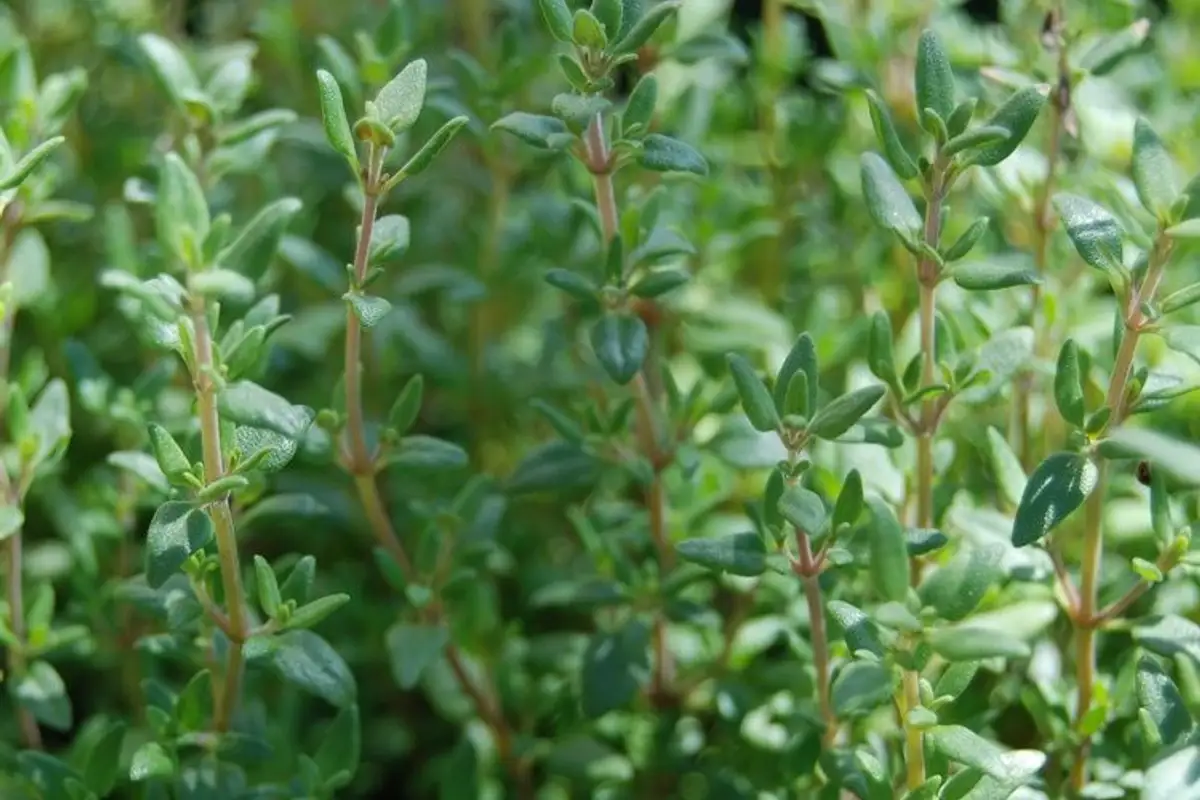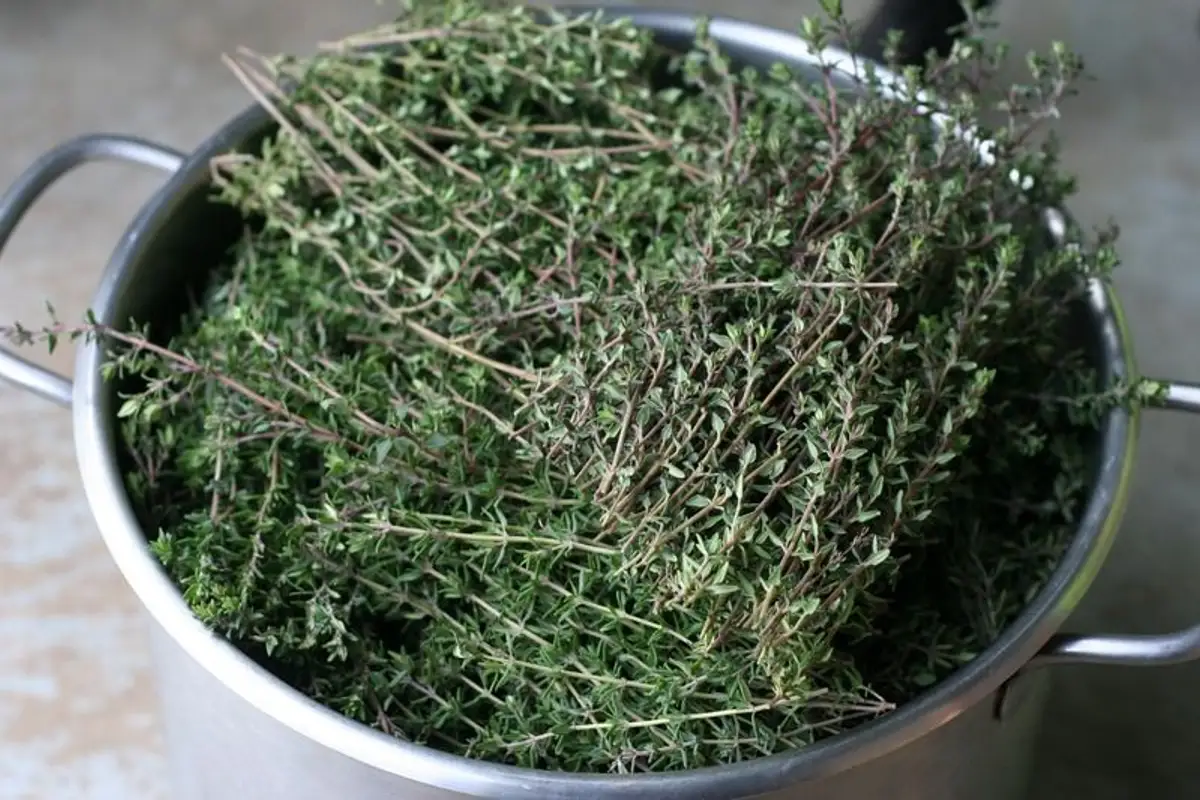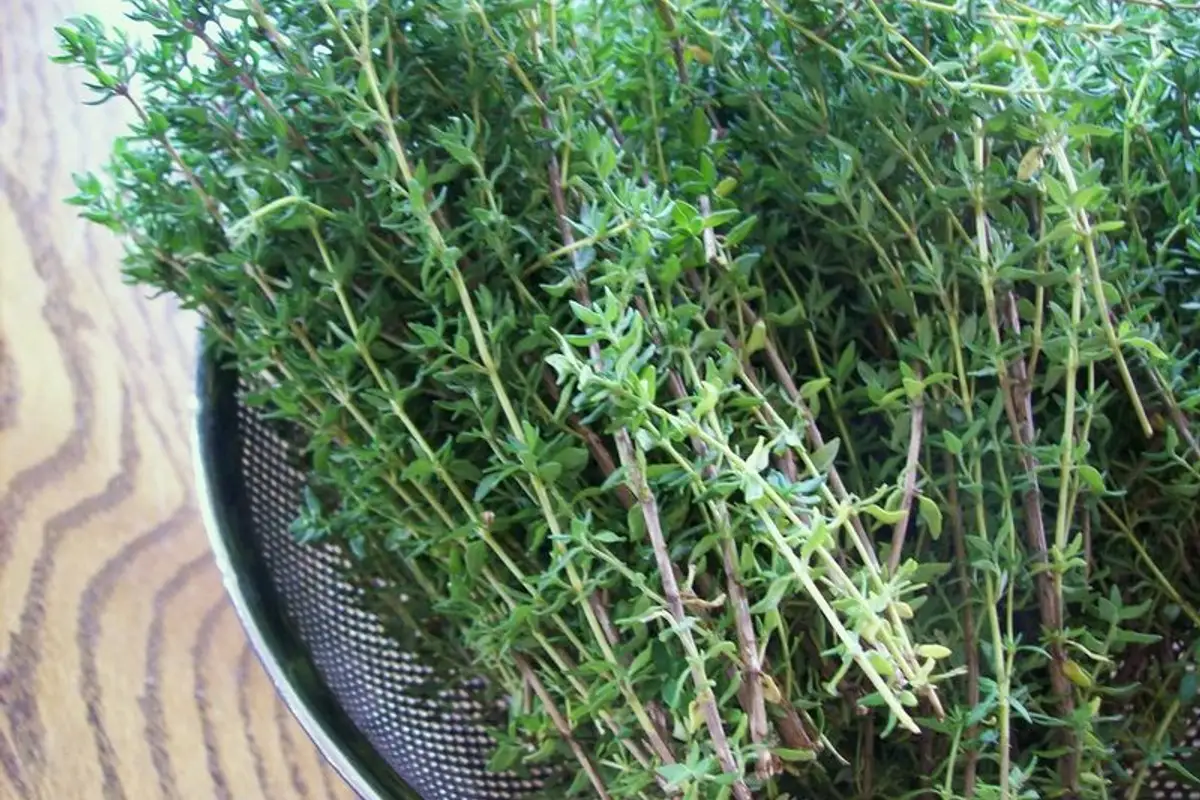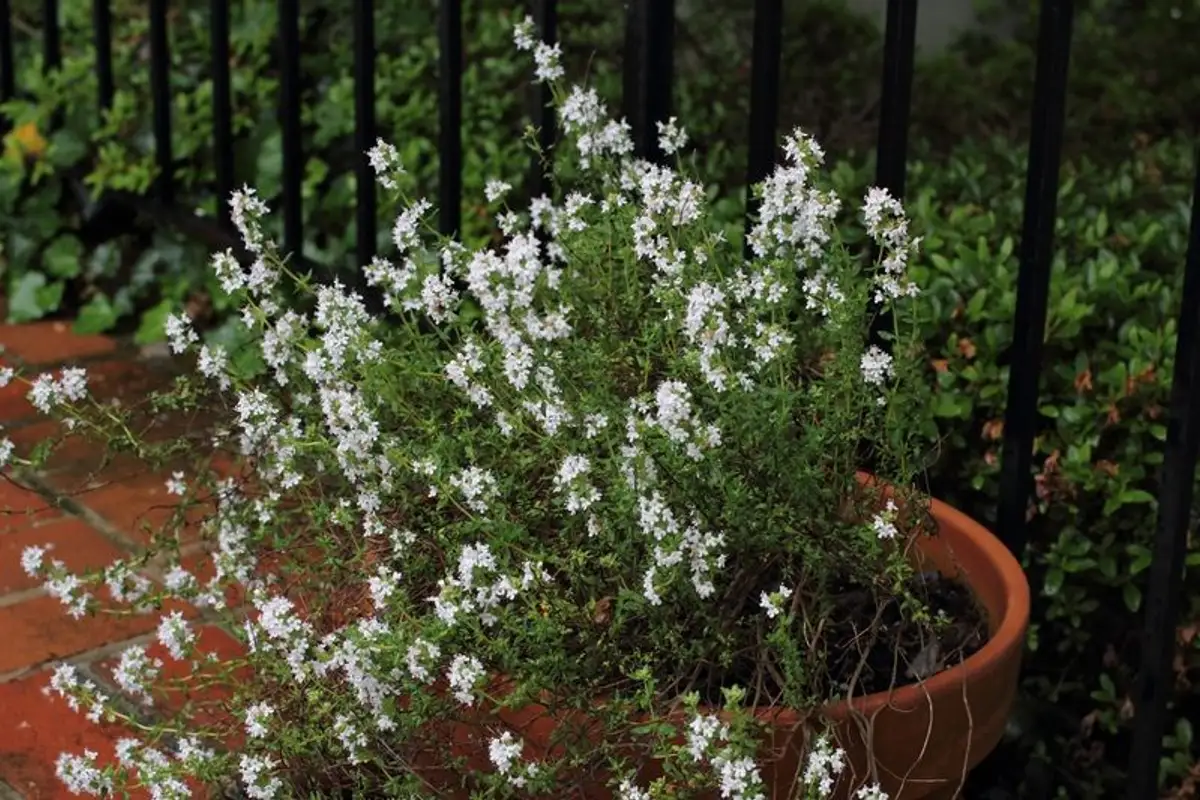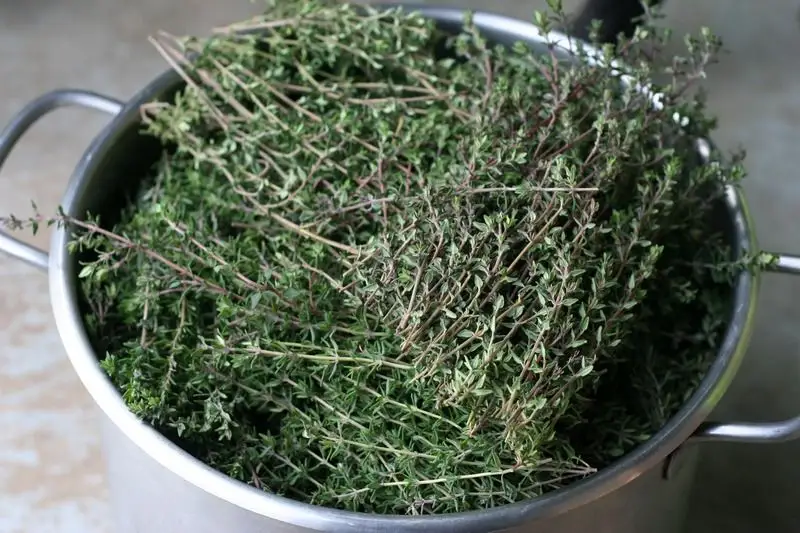
Originally from the Mediterranean region, cimbru has easily adapted to a continental climate. The aerial part is used, namely the shoots with leaves and flowers.
Description: An annual herbaceous plant that reaches a height of 30-50 cm. It has vigorous growth with an intensely branched stem. The shoots lignify in the lower part. Glands carrying essential oils are found on both sides of the leaf. The flowers are small, intensely fragrant and melliferous.
Cimbru is a heat and light-loving plant. In mild winters, well-developed plants can survive. During flowering, it needs as much warmth as possible. If there is a sunny period with temperatures between 20-25 degrees Celsius, it will bloom abundantly, and the content of essential oils will be high.
Cimbru is drought resistant and can be grown on any type of soil, except for extreme ones.
Cimbru can be propagated by direct sowing or by seedlings. If the cimbru crop is established by direct sowing, sowing takes place at the beginning of April. Since cimbru seeds are small, they should not be sown deep so as not to prevent their germination. The appropriate sowing depth is 0.5-1 cm.
The seeds will be distributed evenly, at a distance between rows of 30-35 cm, and when they reach the four-five leaf stage they will be thinned to a distance of 20 cm between plants. Seedlings can even be obtained on the windowsill. In this case, sowing will be done in mid-March, and then they will be thinned to a distance of 10 cm.
The most important maintenance work during the growing season is weed removal by digging. The highest content of essential oils in cimbru is at the time of flowering, which is also the optimal harvesting time. The shoots are cut above the first branching and dried in a dry and airy place.
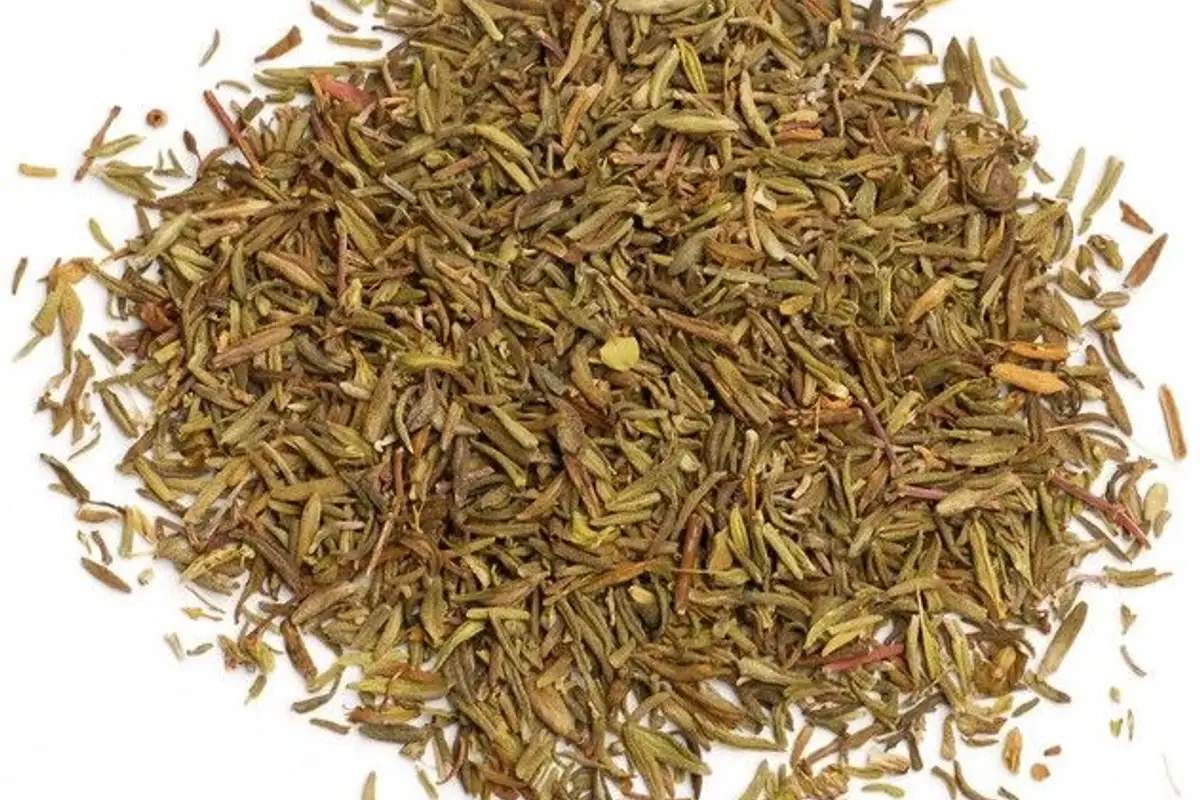
After drying, the leaves and young shoots are crushed from the aged and lignified shoots and stored. Cimbru can be grown all winter on the windowsill, so we will always have fresh spices in the kitchen.
Cimbru is used to flavor culinary preparations, beverages, pickles, but also as a substitute for pepper. The advantage over pepper is that the spicy taste combines with pleasant aromas. It is boiled together with food only for a short time, otherwise it will have a bitter taste.
Tea is drunk in case of bloating and colitis and is prepared as follows: pour a cup of boiling water over two teaspoons of cimbru, let it infuse for 5 minutes, then strain.
Article published in the book Gradina de mirodenii, Casa Publishing House