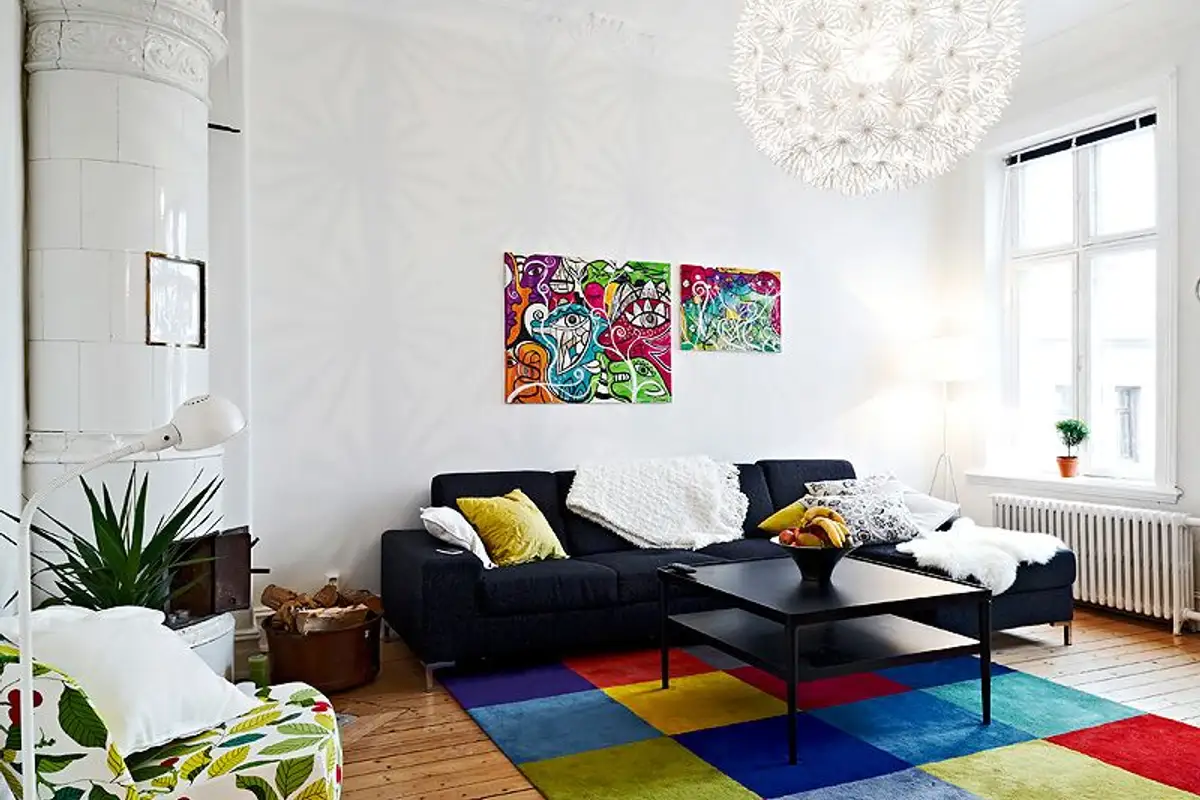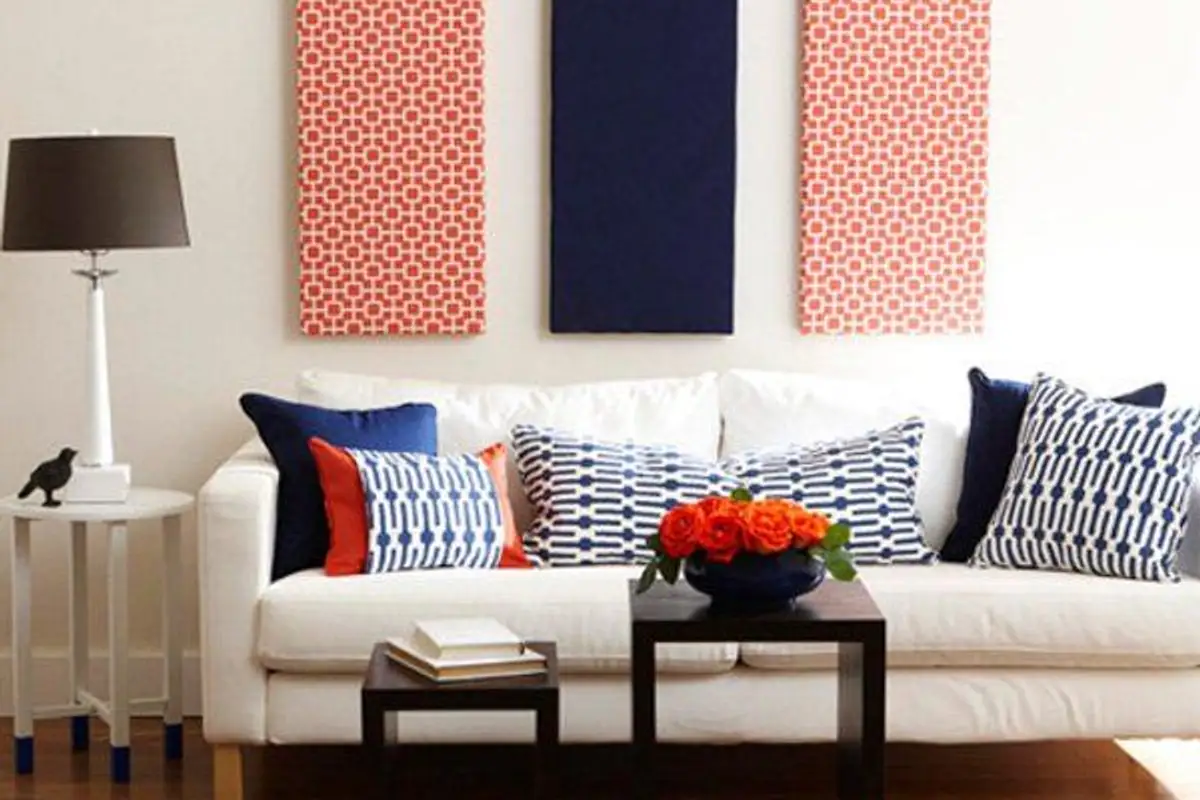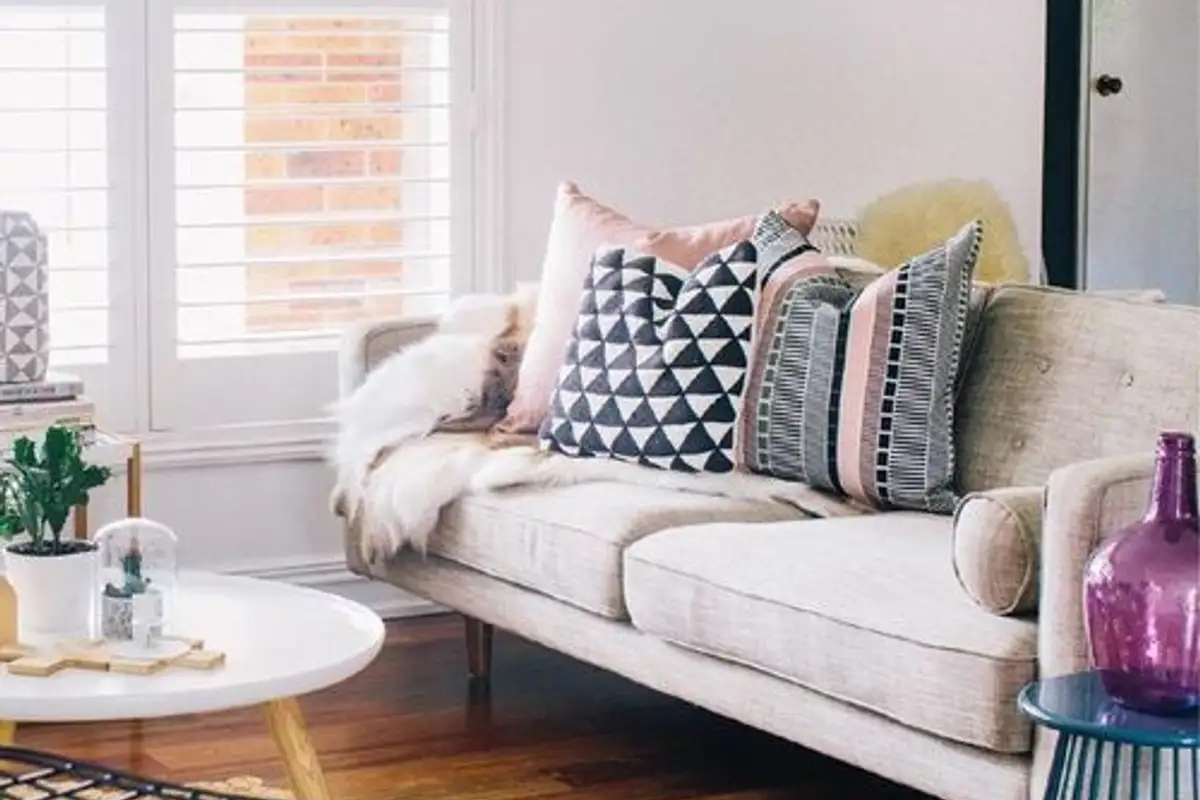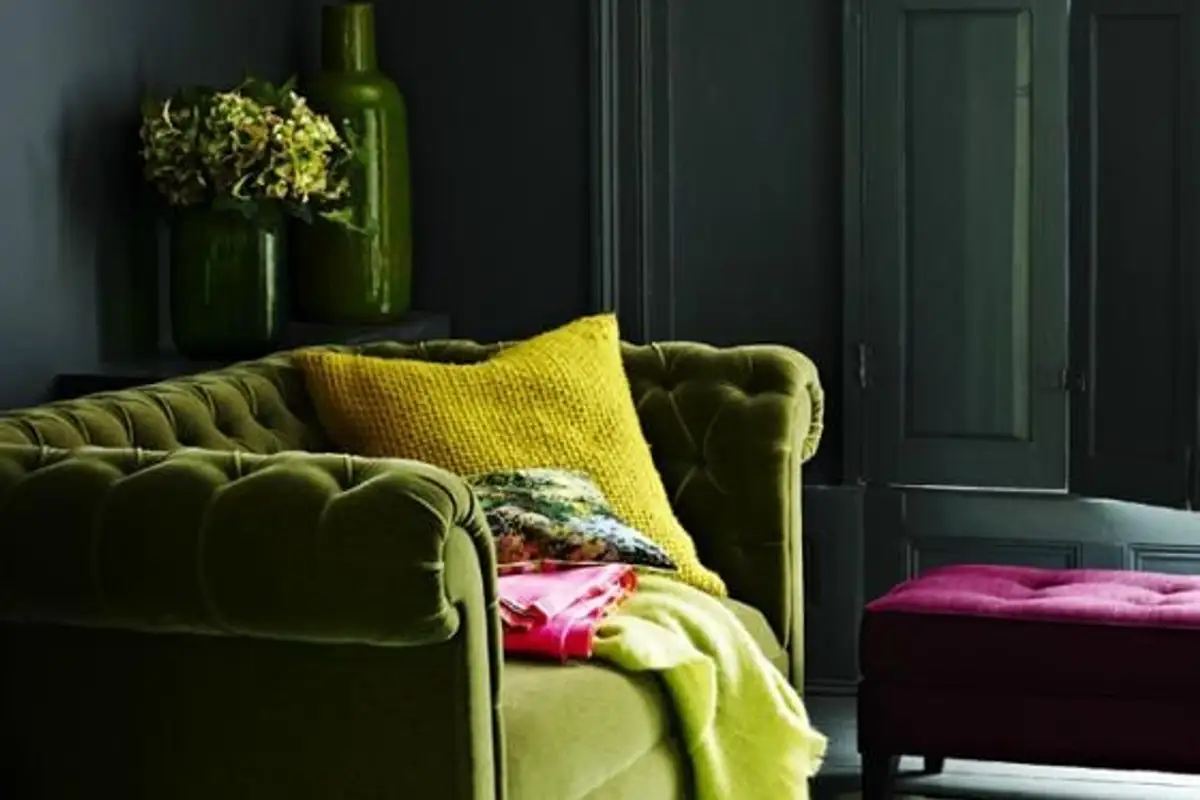
A successful interior design relies on several factors that, when combined, will create a coherent final product. Understanding how colors, textures, and patterns work brings long-term benefits to any type of interior design.
Opening GaleriaCulorile The use of colors is probably one of the factors that most people easily understand when we talk about interior design. However, things are not as simple as we might suspect. Colors relate not only to the entire theme of an interior design but go even further by influencing the emotional state of the respective space.
Therefore, understanding terms such as primary colors, complementary colors, shades, and tones, and how they combine for optimal results is crucial.
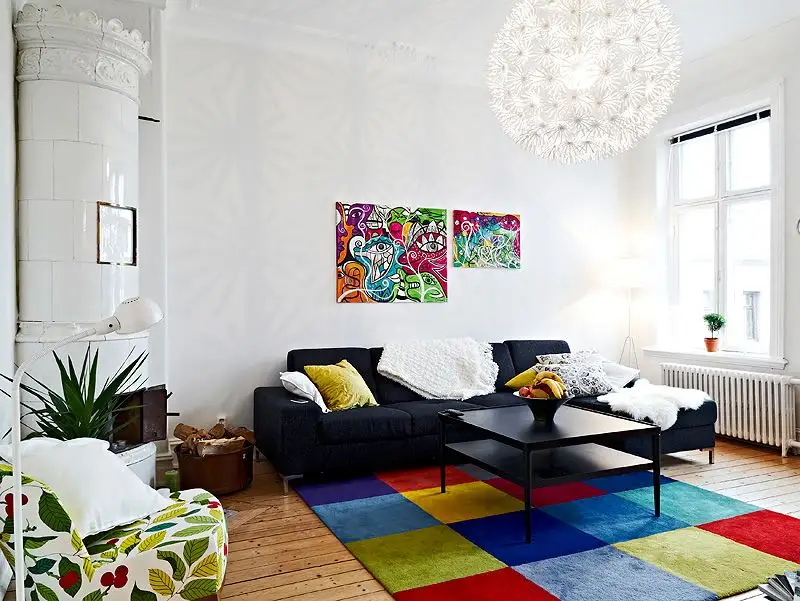
Colors can be used to create accent areas or focal points in a room. This is especially achievable when the base color palette is neutral.
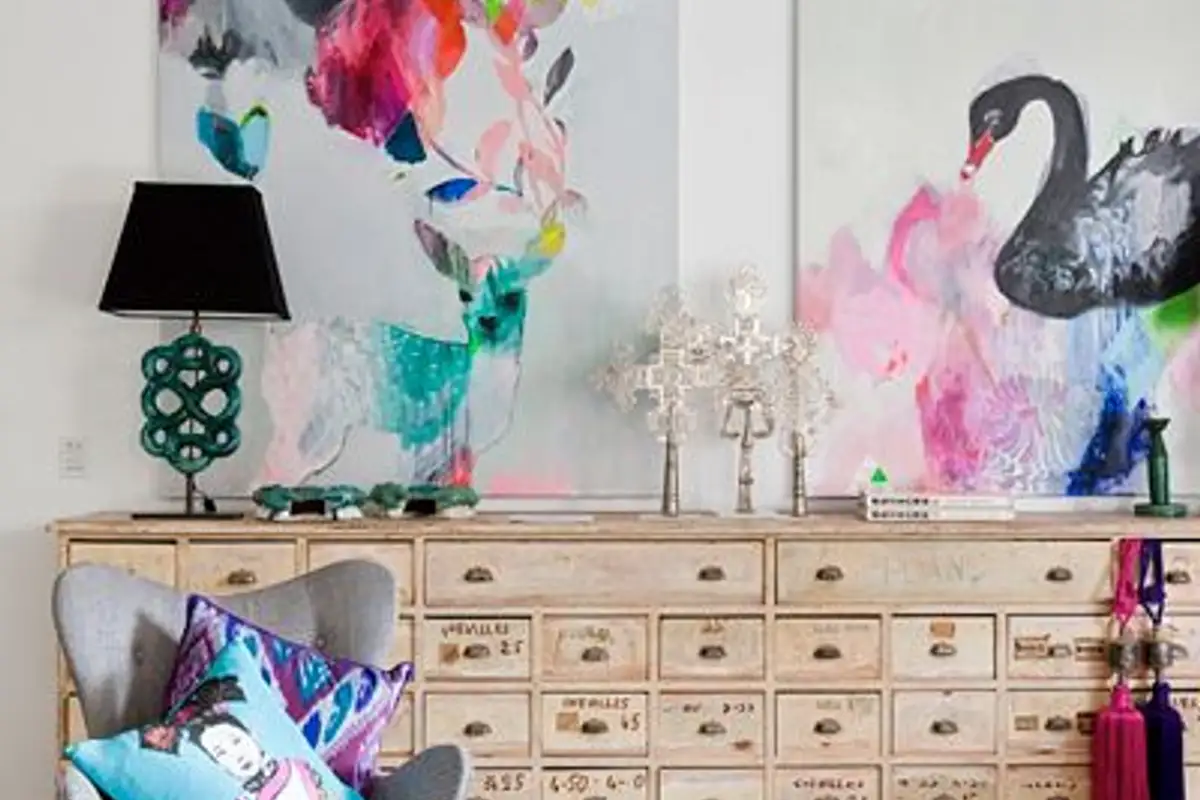
The eye is naturally drawn to the most intense or darkest colors, so don't be afraid to use a splash of vibrant pink or even black through a chair or an art piece, for example, to create this focal point in the room. Even through smaller details, such as a vase or decorative pillows, you can achieve the same effect.
It is important to note that colors generally interact and relate with surrounding patterns and textures, as well as the light sources within a space. Therefore, natural light entering rooms in the morning may differ from that at sunset. The exposure of the apartment or house should also be considered here.
Artificial lighting can affect how we perceive colors. Moreover, different shades are highlighted by the pattern or texture with which they are associated.
Textures and patterns
The importance of textures should not be overlooked, as they have the power to offer a subtle yet powerful transformation in the perception of a room.
Textures and patterns of models provide dynamism and dimension to a room. Additionally, contrasts between textures are recommended for an even better highlighting of the features of a décor.
The selected model for certain details in a room, such as wallpaper, carpet, or drapery patterns, influences how we perceive proportions within a space. Therefore, it's important to consider a few things.
Complex patterns with many colors are recommended for large, spacious rooms, while in small spaces they should be scaled down so as not to overwhelm the entire decor. Vertical lines create a sense of height, while horizontal lines provide additional width to the room.
Ultimately, a design should not be boring. Combine different types of surfaces, finishes and styles, such as a vintage wardrobe with a 1950s style coffee table or a classic sofa with velvet texture and a buffet.Shabby chic.