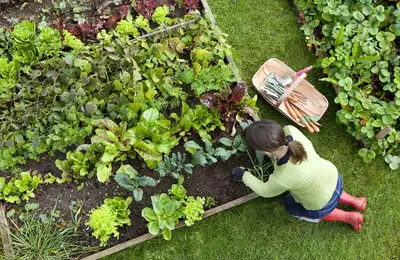
Companion planting is an ancient but highly effective secret of gardeners to maintain a healthy and productive garden. The idea is simple: certain flowers and aromatic plants, when planted near vegetables, can protect crops from pests, attract beneficial insects, and even stimulate the growth and flavor of neighboring plants.
A classic example is planting basil near tomatoes. Basil's strong aromas not only enhance the flavor of the crop but also deter certain insects, such as whiteflies or aphids. Similarly, dill planted near cucumbers can protect the plants against beetles and other specific pests.
These combinations are natural, require no pesticides, and contribute to an ecologically balanced garden.
Flowers also play a crucial role in companion planting. Chrysanthemums, lavender, or marigolds attract friendly insects that feed on pests and aid in pollination. Marigolds, for example, are known to repel nematodes and aphids, thus protecting nearby vegetables.
Lavender, besides its pleasant aroma, can deter moths and other harmful insects.
Another advantage of companion planting is the diversity it brings to the garden. Combinations of colors and shapes not only make the space more visually appealing but also create beneficial microclimates for plants. Aromatic plants and flowers can cover the soil, retaining moisture and reducing weed growth. This makes the garden easier to maintain and healthier overall.