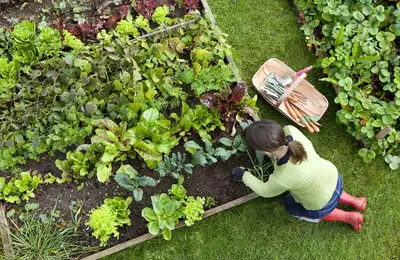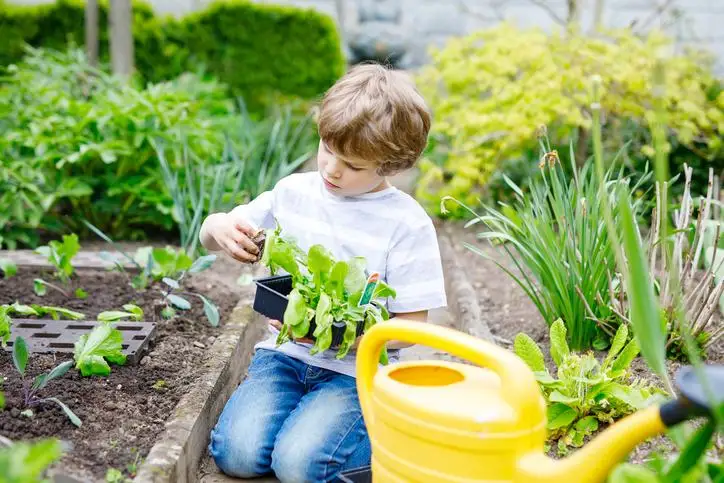
Involving children in agricultural activities is not just about work, but represents a valuable form of education, an exercise in responsibility and an excellent way to strengthen the connection with nature.
In the Romanian context, especially in the rural environment, children have the opportunity to participate in household chores and field work, thus developing practical skills, discipline and respect for work.
Suitable Activities for Every Age
Young children (3–6 years old): They can participate in simple and fun tasks, such as planting seeds in pots, watering flowers, picking up fallen fruit or feeding small animals.
Schoolchildren (7–12 years old): At this age, children can take on more complex responsibilities, such as harvesting vegetables and fruits, helping to prepare the soil or caring for domestic animals such as chickens and rabbits. Under supervision, they can even learn about beekeeping.
Teenagers (13+ years old): Young people can be involved in more complex harvesting activities, learn to use simple tools and participate in product processing, such as preparing vegetables or other foods.
Benefits of Involvement in Agriculture
Practical education: Children learn directly about the life cycle of plants, animal raising and, most importantly, about the origin of the food they consume.
Responsibility and discipline: Respecting a work schedule and household rules helps them become more organized and disciplined.
Physical and mental development: Outdoor activities and manual labor contribute to maintaining physical health and reducing stress.