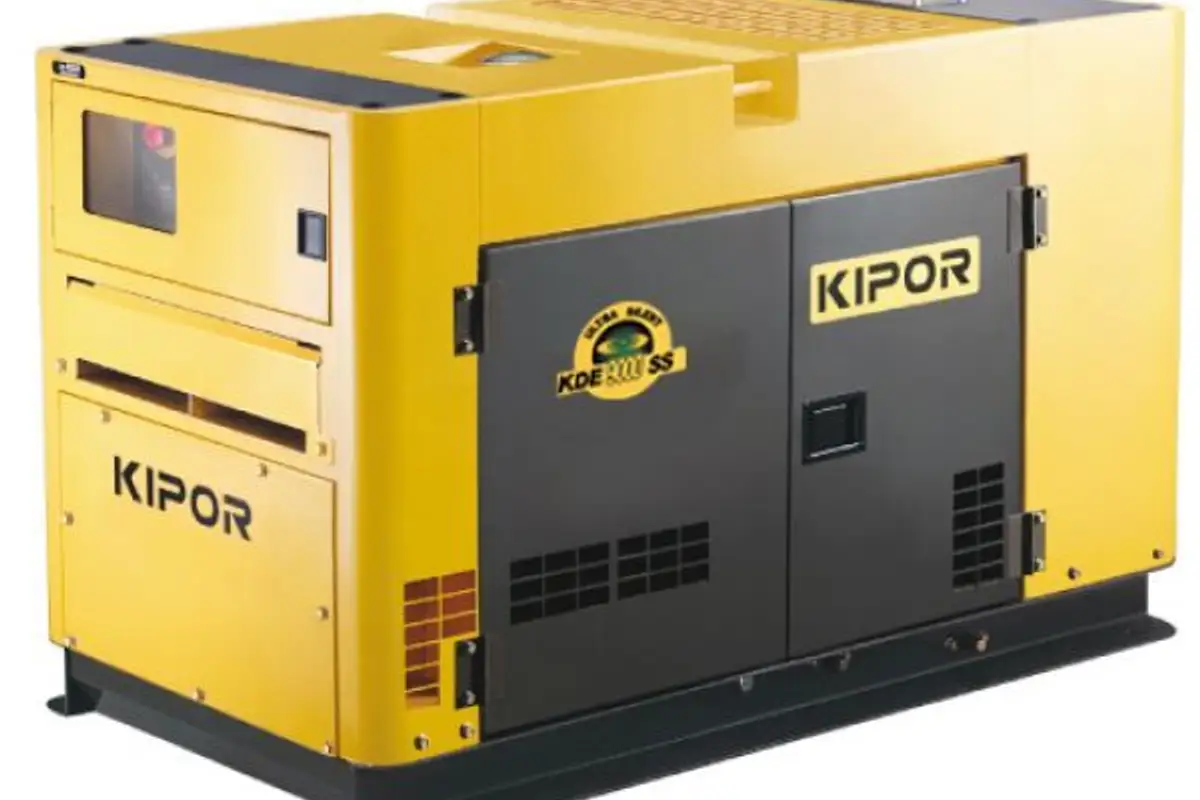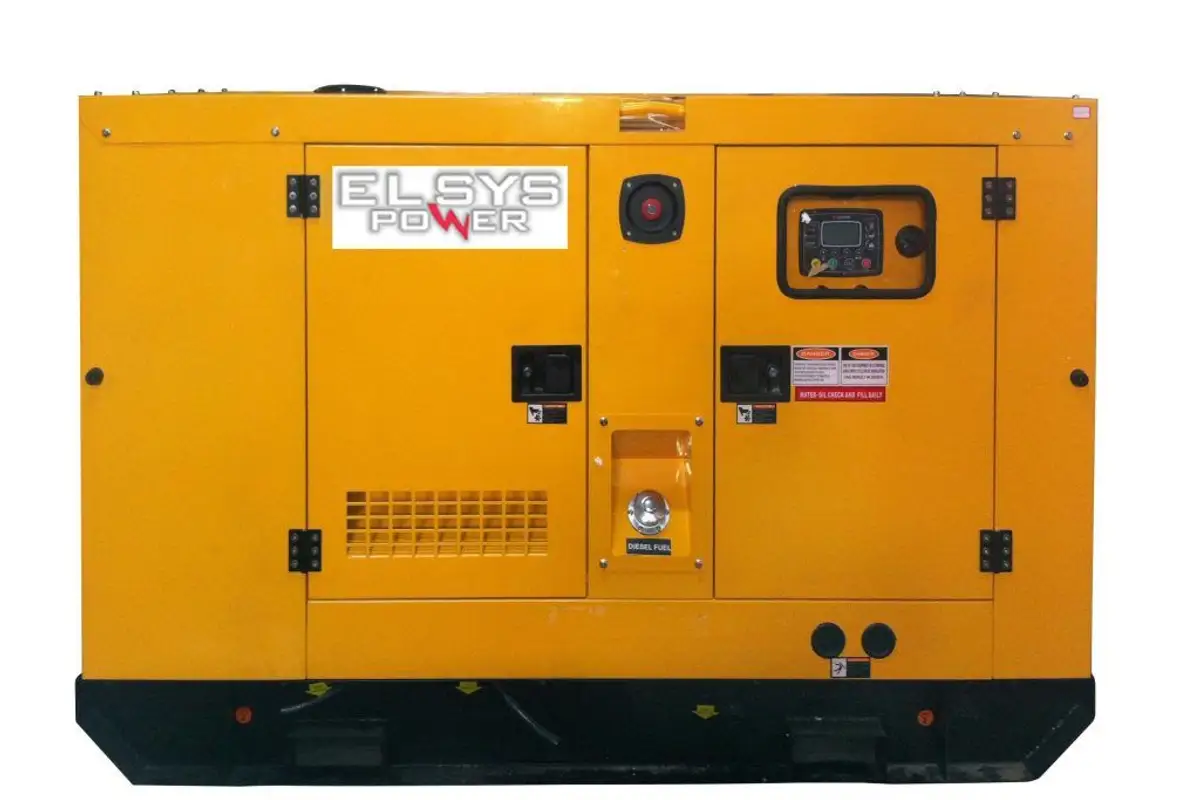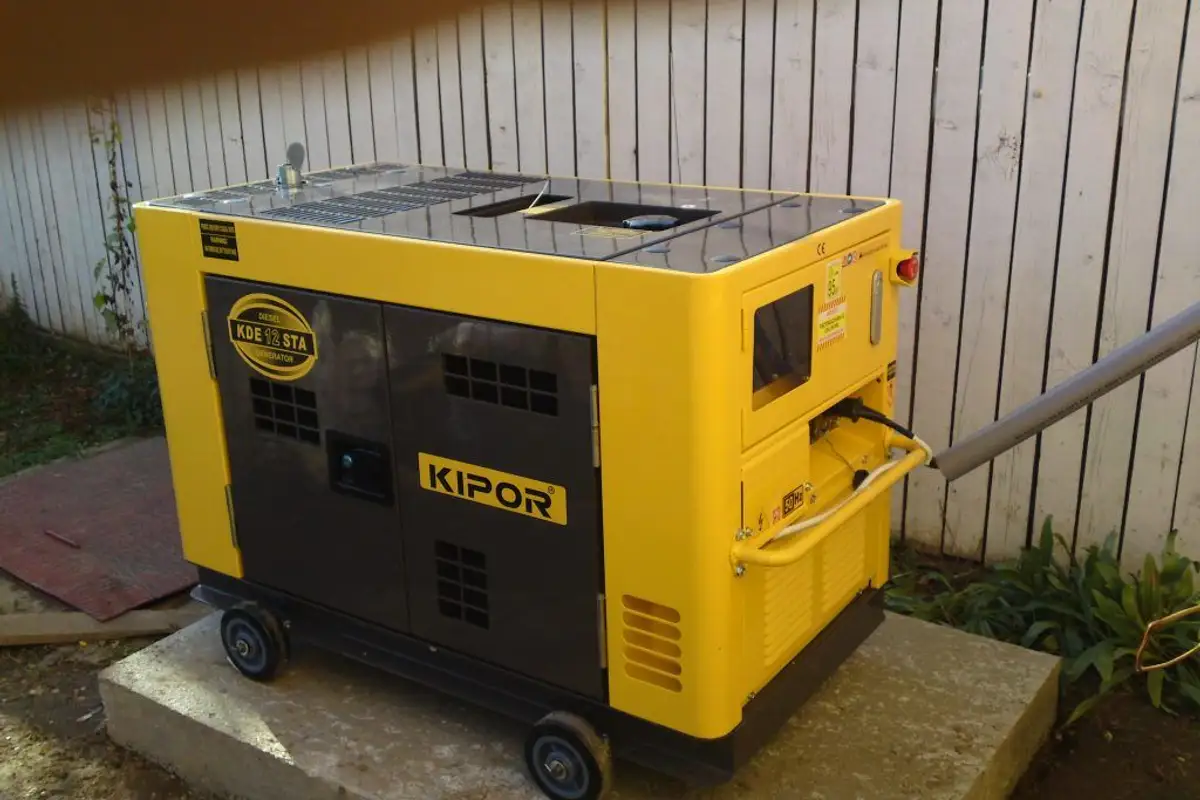
We all know those moments with power outages when you need electricity the most. While for household consumers, such an event may pass more easily, for institutions, stores, or company headquarters it can be truly problematic, as activity interruption can have unpleasant consequences.
In such cases, a generator is a lifesaver. A generator or genset is a device that converts mechanical energy into electrical energy that can then be used in an external circuit.
One of its main advantages is that it provides an important backup power source for large consumers, ensuring the continuation of functionality until the primary power source is restored.
However, the genset is truly useful in hard-to-reach places where electricity supply is deficient. We can consider here mountain cabins or houses in isolated mountainous areas. Such devices can also be successfully used on construction sites, within wind installations, in agriculture, or tourism.
How do you choose the right product?
Once you have answered these questions, you need to choose the type of genset. Usually, you can choose between a diesel generator and a gasoline generator. Both sides have advantages.
A diesel generator means efficiency first and foremost. The engine type is robust and durable, and maintenance costs are low. Because fuel self-ignites in diesel generators, maintenance costs are reduced. A gasoline generator offers the advantage of a low purchase price and a wide power range.