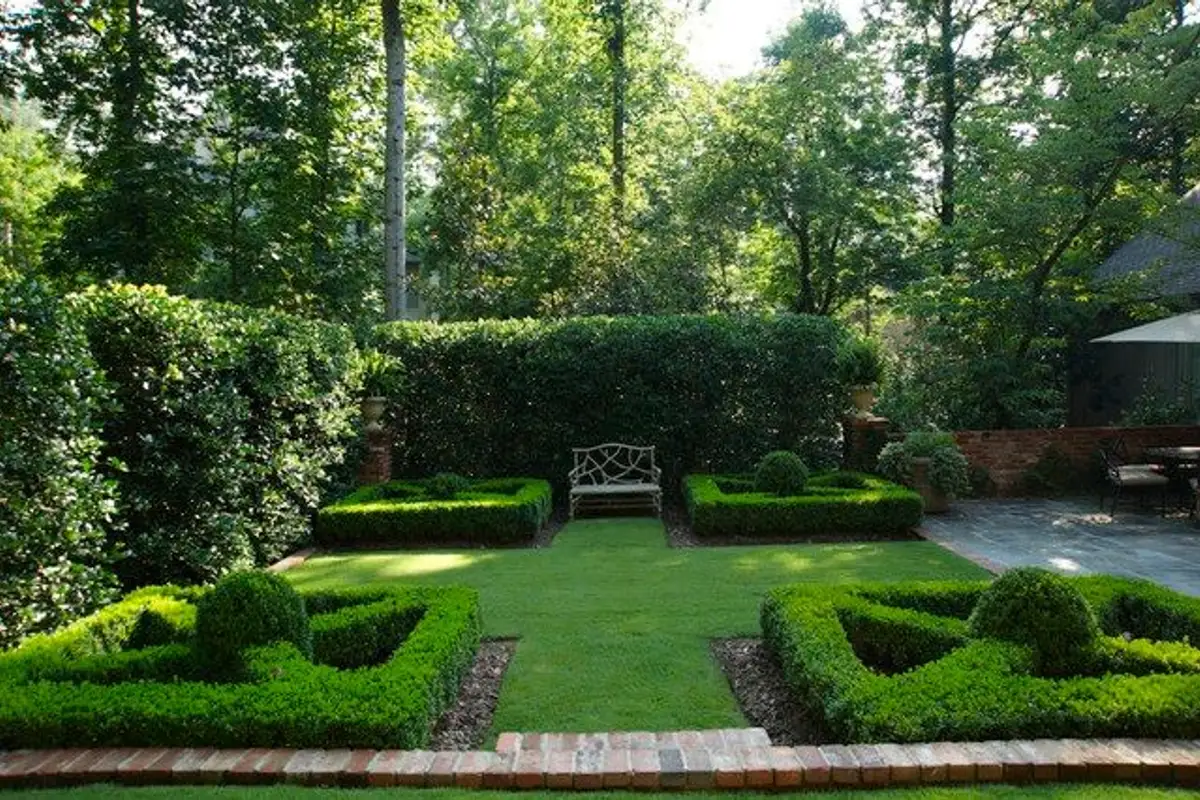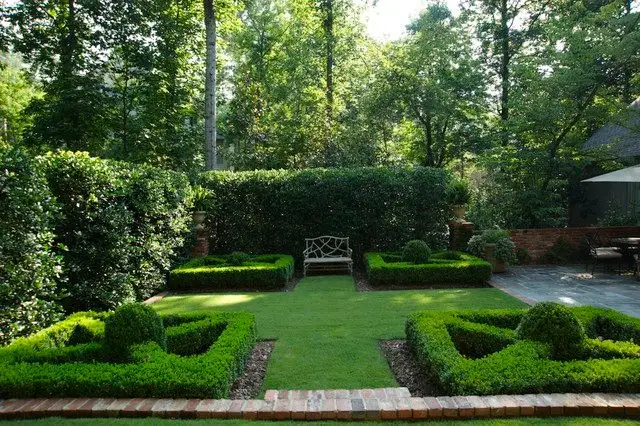
When we think about the design of French gardens, the regularity with which they are designed and the "ordered" architecture, geometry is the first thing that comes to mind. Suggesting order and formality, a green space can thus be designed in a compositional style called the geometric style.
This style presents several variants, characteristic of different historical periods, different social and political systems of peoples, closely linked to geography, climatic conditions and above all to the social status of the owner of the respective residence.
This style was perfected during the Italian Renaissance, when, in fact, many of the garden masterpieces of the era were created, some of which are still preserved today. These gardens were designed according to the property, following the architectural criteria imposed by the palace or castle in question.
The garden was most often laid out on sloping terrain, arranged in terraces, supported by massive walls and communicating through monumental stairs richly ornamented. The composition of these was completed by the presence of water used excessively in the form of fountains, waterfalls or basins.
Gardens designed in this style, such as classical French gardens, present characteristics that completely characterize the geometric style, applied to this day.
Here are some features to consider in a geometric style design:
the lawn carpet, which we can decorate by planting Buxus sempervirens (Boxwood) cuttings and subsequently cosmetize according to preferences, giving a unique aspect to the space;
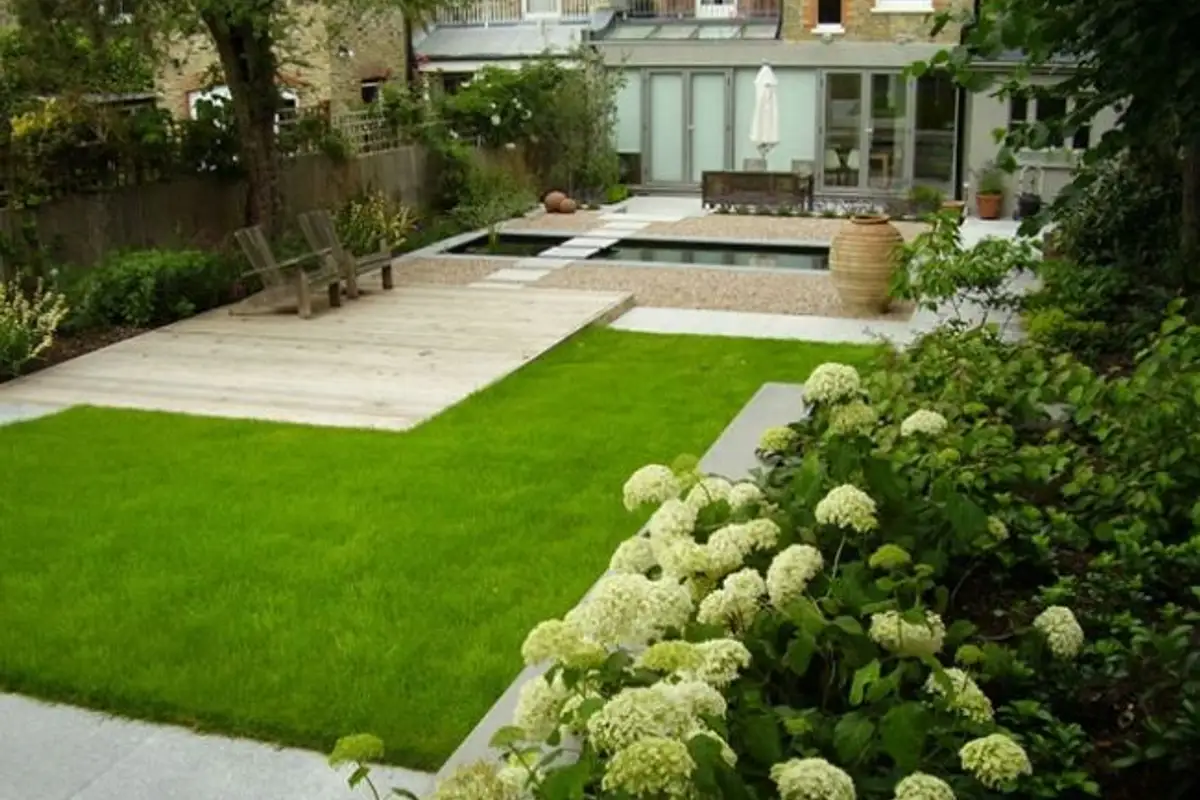
the house or head of the composition is the main element in a geometric composition, being directly related to the green space subsequently landscaped; plant selection will be made according to architectural criteria, the purpose being to highlight the construction.