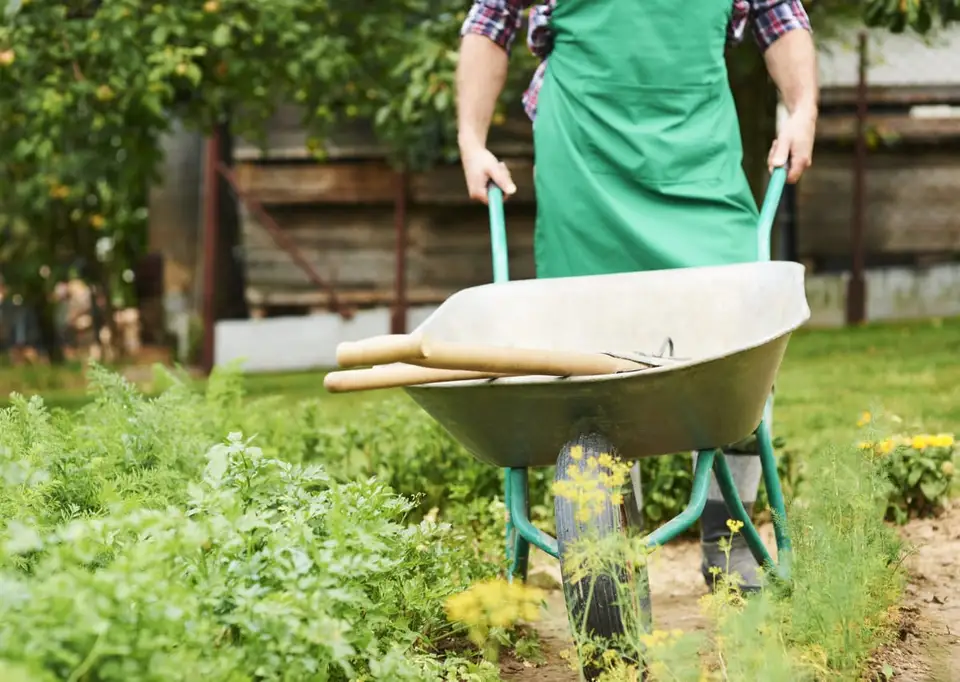
Many start the season with the idea that "it will all work itself out," but without a well-thought-out plan, spring work can quickly become overwhelming. Fortunately, with a little strategy and inspired choices, things can become much simpler and even enjoyable.
Why do spring tasks become more complicated than they seem?
At first glance, preparing the garden seems like a relaxing activity. In reality, however, it involves a series of steps that must be followed to achieve good results. Cleaning the land, loosening the soil, leveling, preparing the beds and planting must be done in a logical order.
The problem arises when these steps are not planned. For example, if you start planting before the soil is well prepared, you risk compromising the entire crop. Similarly, if you work chaotically, you end up repeating certain operations or wasting time on tasks that could have been solved more efficiently.
Another aspect that complicates things is physical effort. Manual work, especially on larger surfaces, can become tiring in a short time. Many give up or postpone certain activities due to the large volume of work.
On top of all this, the fickle spring weather can throw any plan off track. Therefore, organization becomes essential. With a clear plan and the right tools, you can quickly adapt your work according to the weather conditions and take advantage of every favorable day.
How to make an efficient garden plan
The first step is to view spring tasks as a project, not a series of spontaneous activities. This means setting your priorities and dividing the work into clear stages. Start by evaluating the land. Observe which areas need more serious intervention and where things are already in good condition. For example, a compacted area will require more time for preparation than one worked in autumn.
Then, create a list of activities in the correct order. Cleaning up plant debris should be the first step, followed by loosening the soil and fertilizing. Only then comes the time for sowing or planting. It is useful to divide your time into days or weekends. Don't try to do everything at once. For example, one day can be dedicated exclusively to preparing the soil, and another to planting. This way, the work becomes more organized and less tiring.
Another simple but effective trick is to prepare your tools and materials in advance. Nothing interrupts your rhythm more than frequent breaks to look for things you need. In addition, try to work smart, not just hard. Choosing solutions that reduce your physical effort and time invested can make the difference between a tiring spring and a productive one.