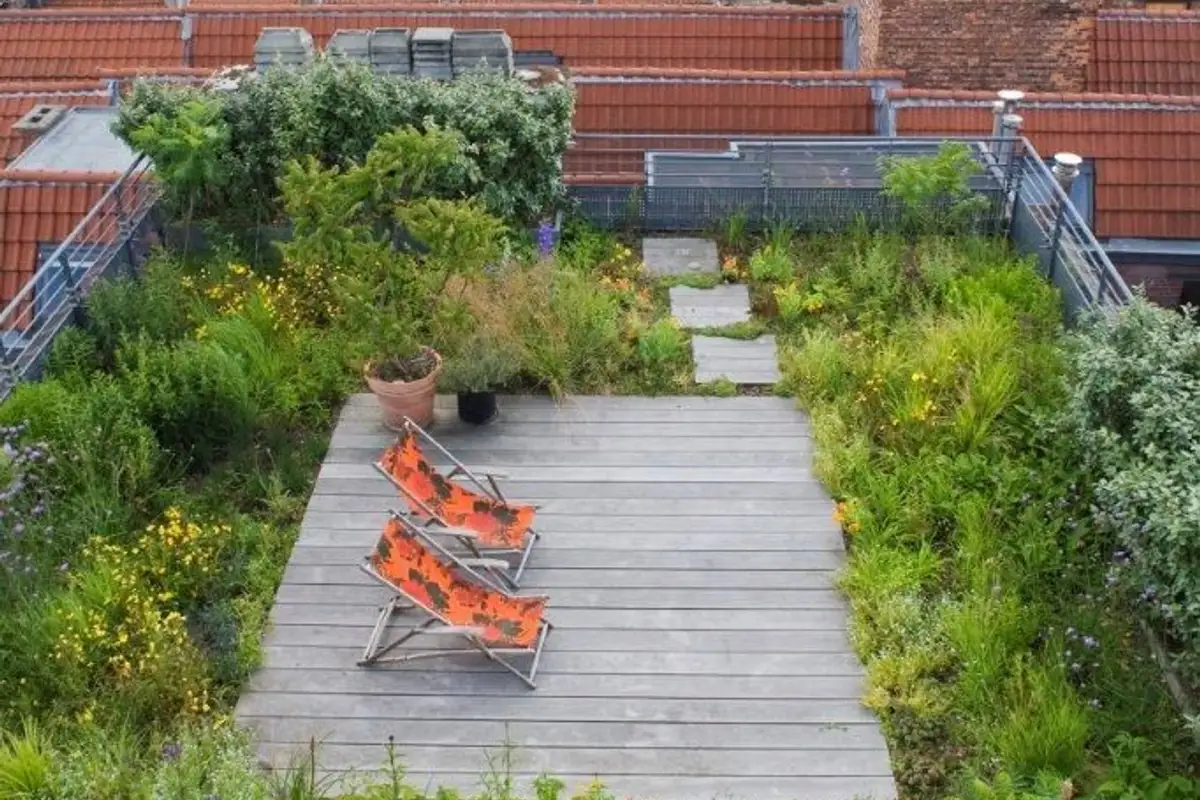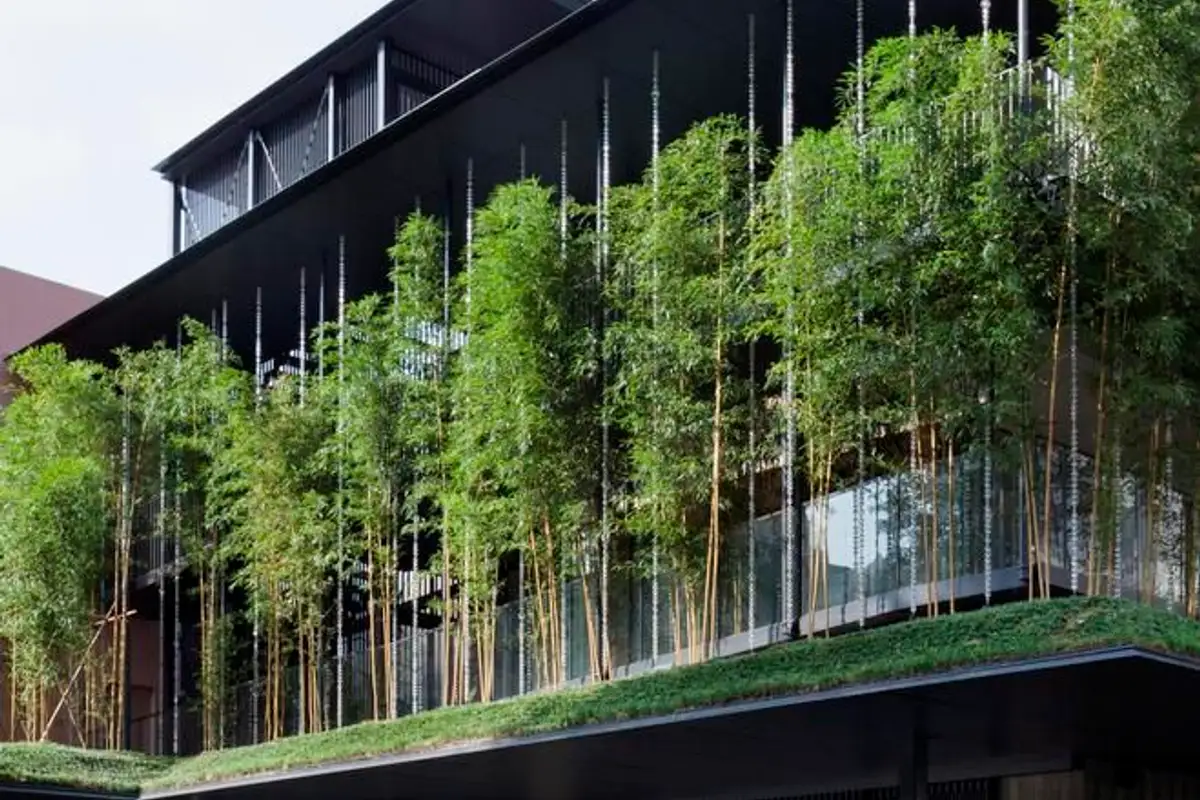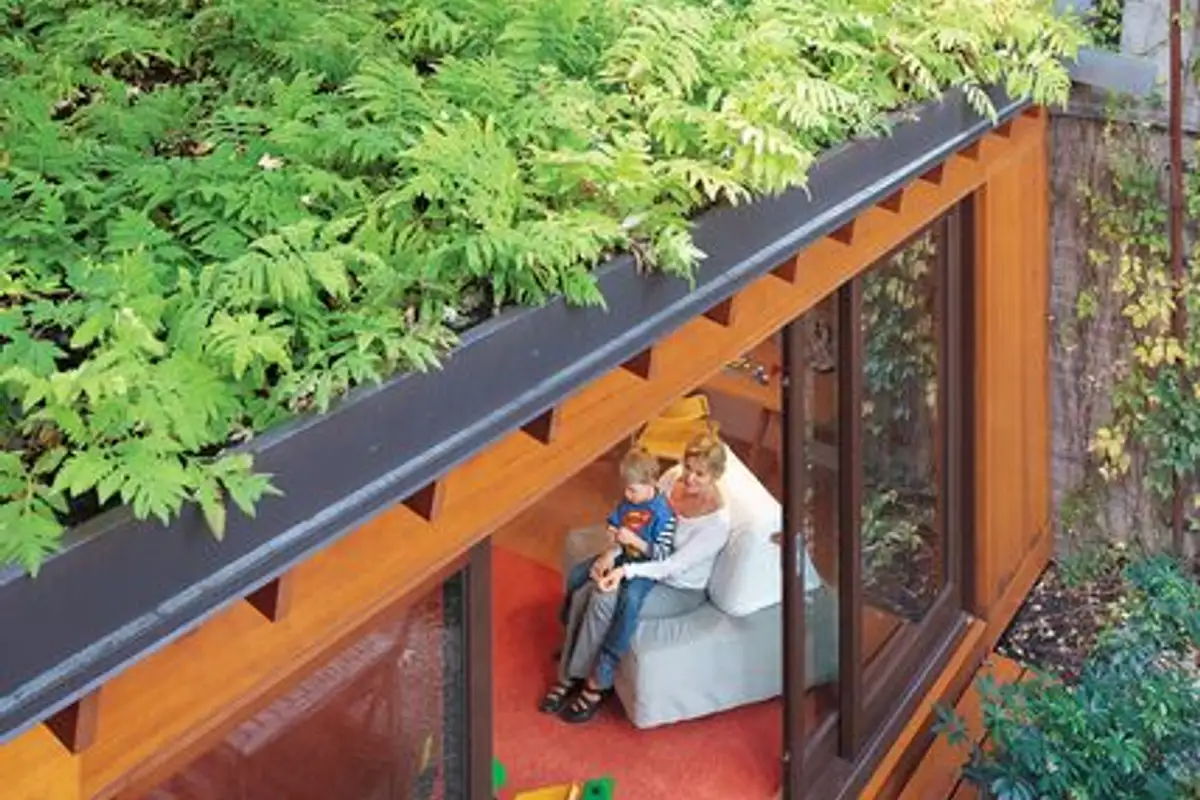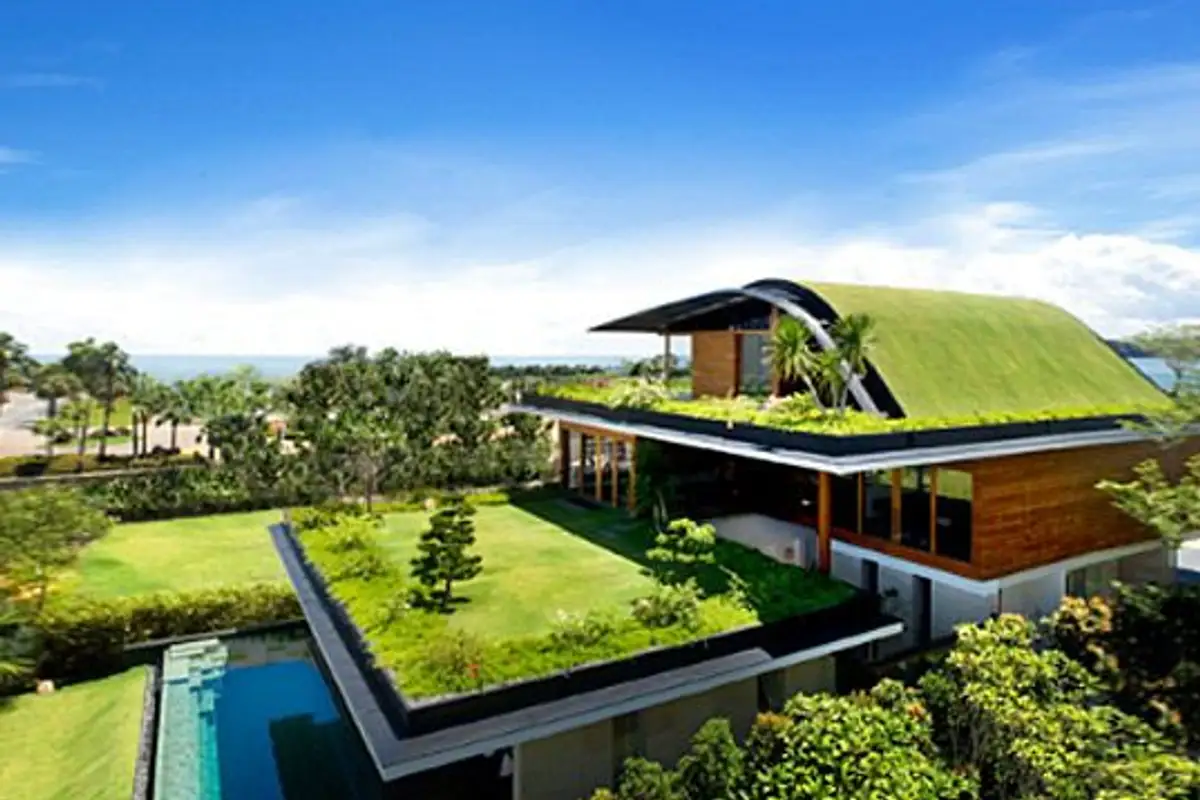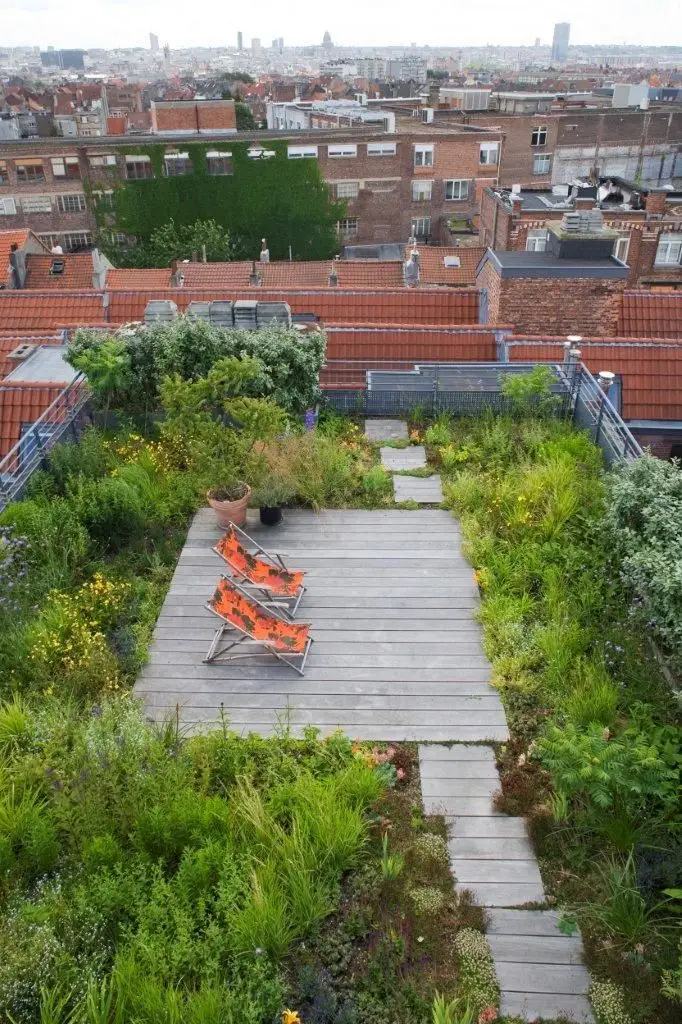
Green roofs are among the latest trends in urban planning; they represent an efficient combination of a waterproof roof over which another layer has been applied that can partially or totally support a natural environment made up of plants.
Green terraces are designed specifically to be autonomous and easy to maintain, offering a roofing system adapted to our times when people are starting to become increasingly concerned about environmental protection and air quality improvement.
Moreover, projects involving the construction of a green roof or a green terrace address the issue of utilizing unused spaces on terraces and roofs.
Green roofs have some distinctive features compared to ordinary terraces. In addition to the classic waterproofing, they also have: a vegetation layer, a vegetative substrate, a geotextile membrane for water filtration, a drainage and water retention layer, another anti-root membrane plus a thermo-hydro-insulating system for the terrace.
The materials and technology used for these projects are diversified and personalized according to the type of green roof and the purpose of the space to be landscaped.
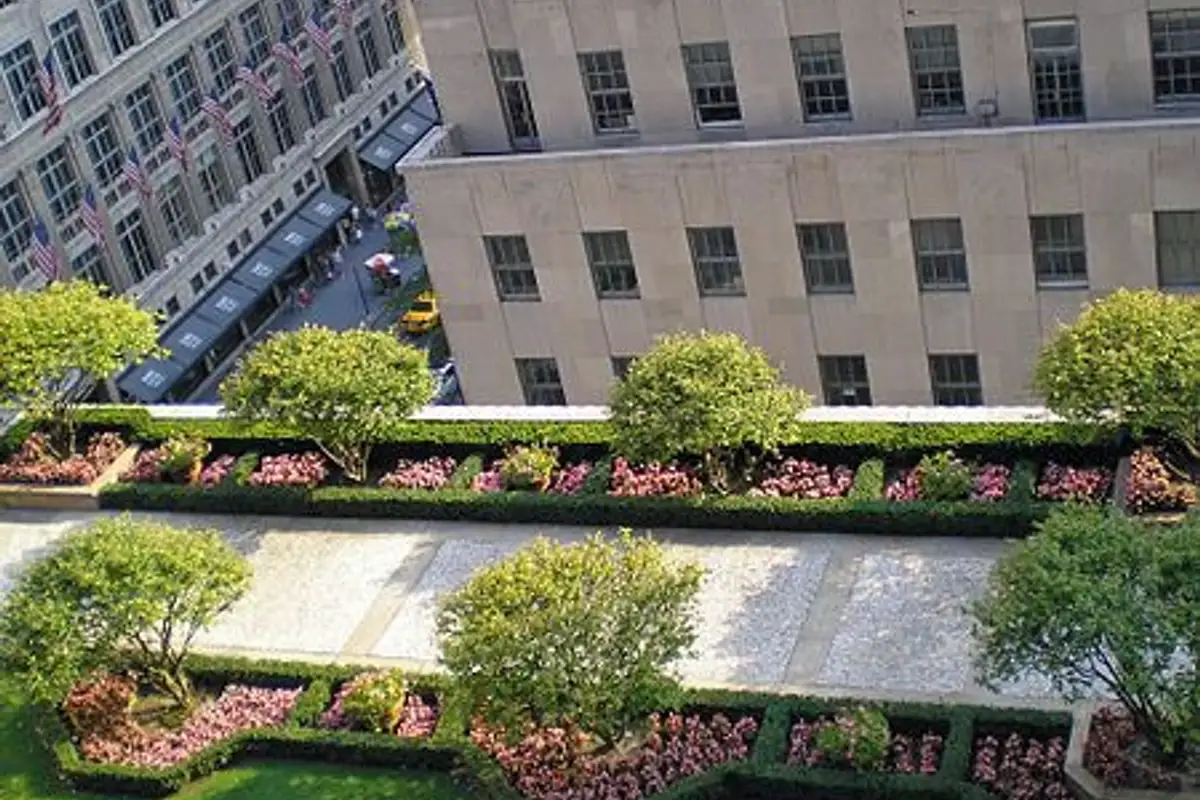
From the roofs of industrial buildings or apartment blocks, to lush gardens on the terrace of a private house, green roofs represent the perfect solution for harmonizing nature with urban space.
The intelligent adaptive technology of these types of landscaping offers the opportunity to significantly improve not only how buildings function but also to utilize the free spaces above them.
Depending on the clients' requirements, the plants that will make up the green roof can have a height ranging from 60 centimeters to even three meters, and the thickness of the substrate in which they are planted varies accordingly.
As long as a series of technical specifications are respected, projects involving a green roof can include trees, shrubs, perennials or grass. This allows for the creation of gardens that will look identical to those planted on soil.
Those who live in apartment buildings should consider landscaping such a green roof. Which, in addition to improving air quality, can also provide a recreation space.
A green roof reduces the amount of dust and smog levels in the atmosphere and can even protect against external noise. Soil molecules capture and dampen low-frequency sounds while vegetation captures high-frequency vibrations.
Other advantages of a green roof are that it improves building insulation, reducing indoor temperature during the summer. The layer of plants and soil absorbs rainwater, helping with water management by reducing runoff.
Green roofs represent a very efficient eco-friendly roofing structure; such a space can create a natural habitat for animals and birds.