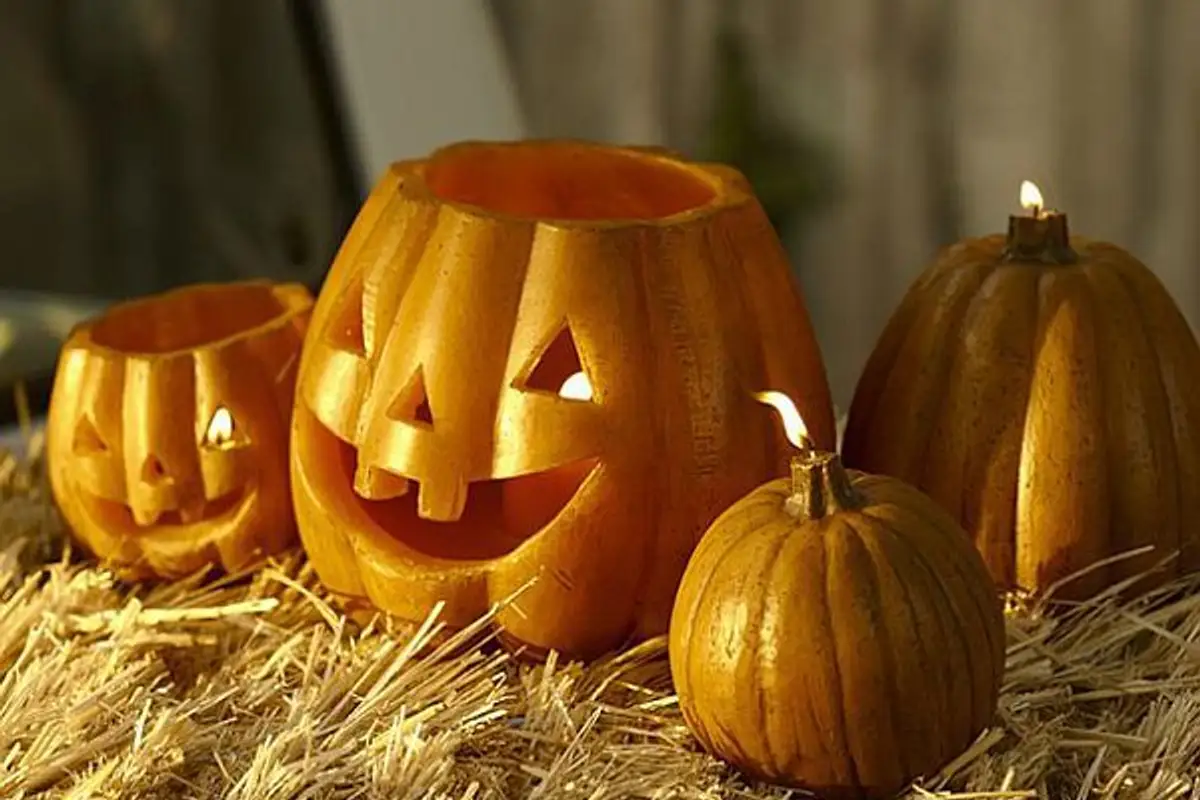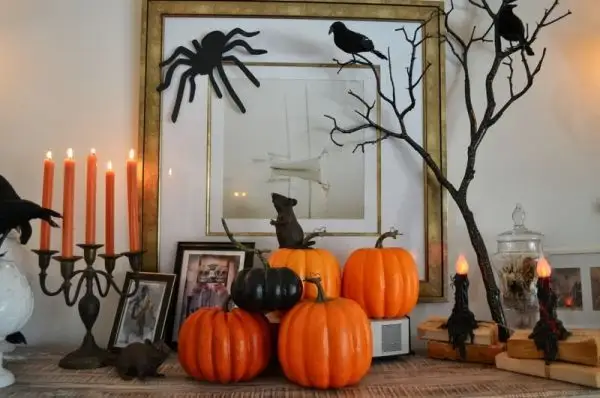
Celebrated every year on the night of October 31st, Halloween is a holiday of Celtic origin, now embraced by many peoples in the Western world and beyond. Specific to Halloween is the carved pumpkin, which represents Jack's Lantern, a well-known symbol worldwide.
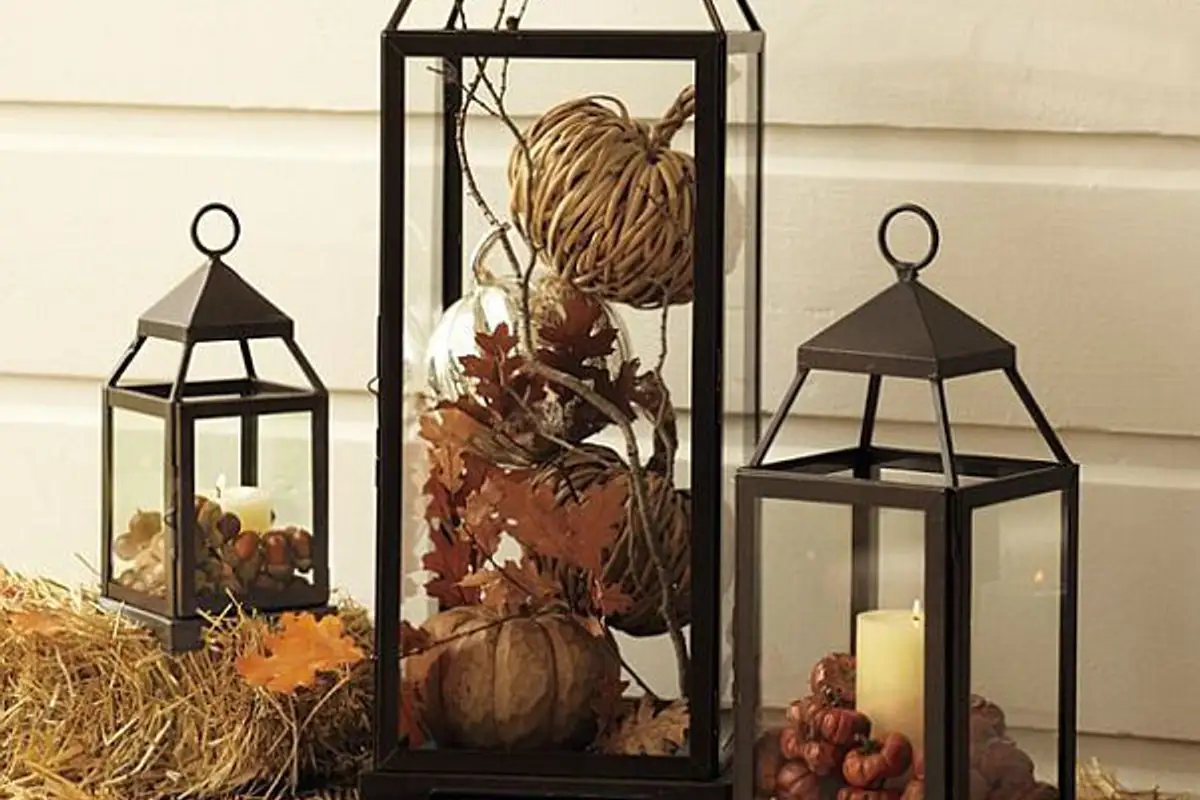
On this occasion, children disguise themselves as witches, mummies or other characters and go door-to-door asking "Trick or Treat?" (mischief or treats?), as a threat that if they are not given sweets, a prank will be played on the person being visited. During this period, houses are decorated with symbols specific to autumn, pumpkins, corn cobs or scarecrows.
The specific colors of the holiday are black and orange.
Perhaps the most famous images are those of costumes in the most fantastical styles and pumpkins carved with a candle inside. From here, a series of variations arise, some of the funniest and most original.
Because the occult meaning of this holiday has disappeared, Halloween today represents a reason for fun and amusement for the whole family, a celebration of nature preparing for the cold season.
In this sense, houses are adorned with various motifs that remind us of haunted houses and some hideous monsters. Decorations range from the simplest, consisting of pumpkins, to the most elaborate, carefully arranged for such a celebration.
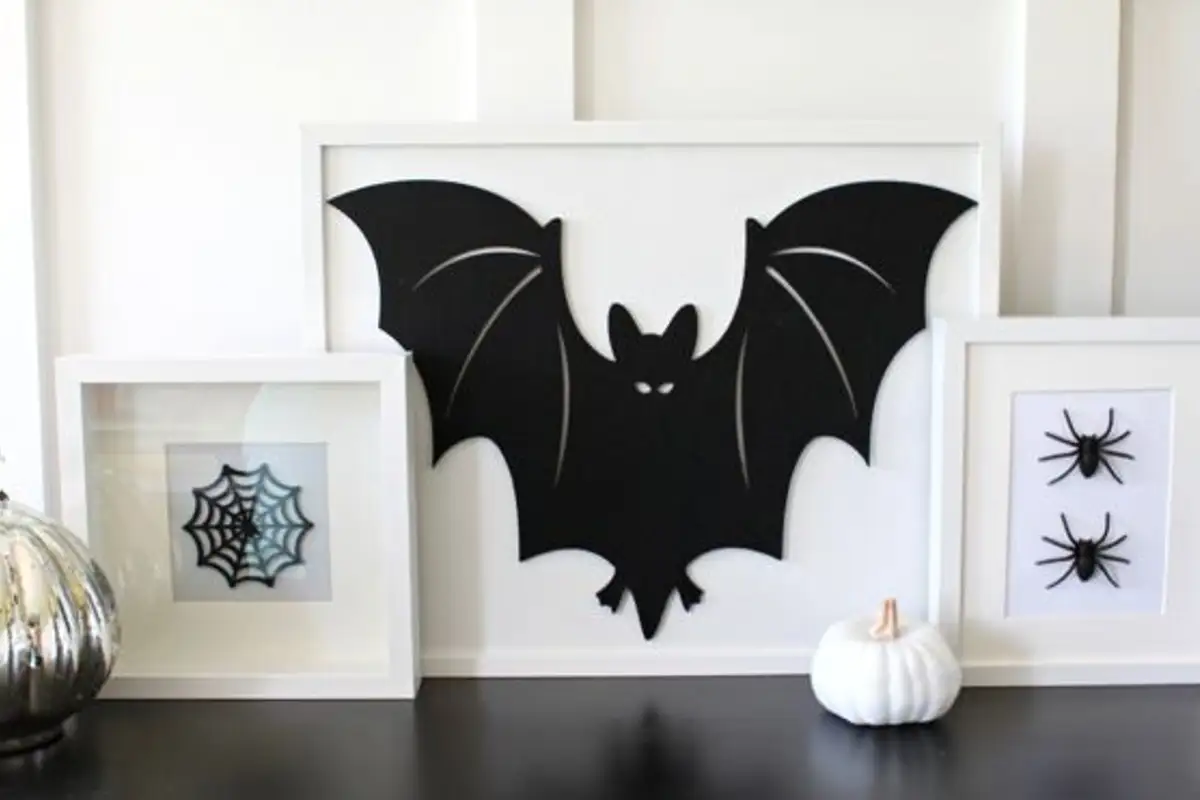
For example, pumpkins can be carved in the traditional shape or easily integrated into the decor of a table as a support for plants or candles. Add a few bat and spider shapes cut out of black paper and stick them on the wall.
The most fun part of this holiday is precisely its preparation. Costumes and all those elements that will outline the decor require a bit of attention and, above all, time beforehand for their preparation. Since pumpkins are indispensable to Halloween, they can be integrated into numerous DIY projects in which we can also involve children.