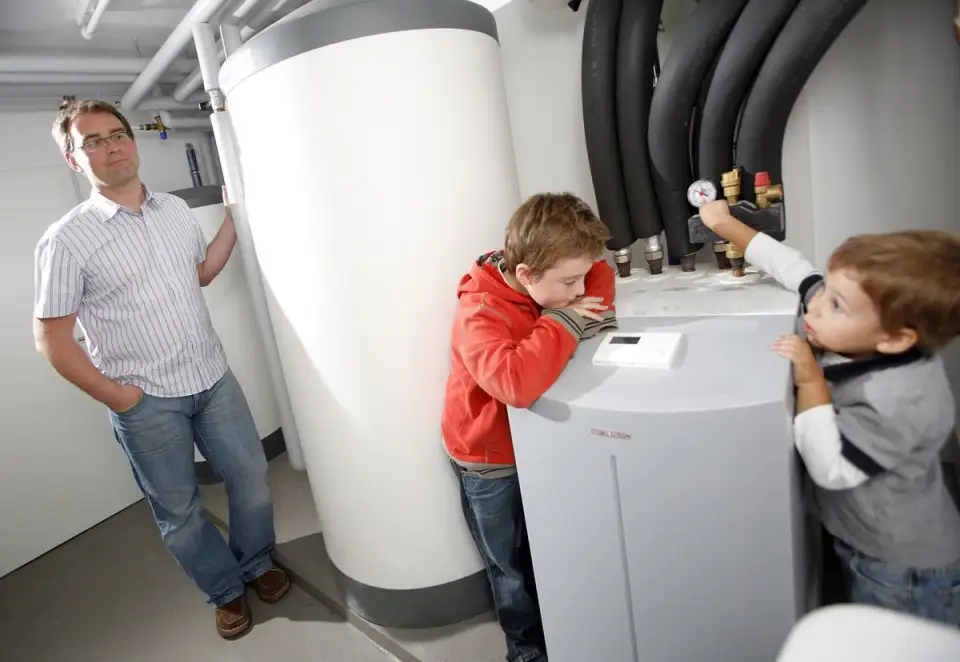
A heat pump is an efficient heating and cooling system that transfers heat between a heat source and a destination, thus providing heating in the cold season and cooling in the warm season. It uses thermodynamic principles to extract heat from a source (air, water or ground) and transfer it into a building.
Here are the advantages, disadvantages, and recommendations regarding the choice of a heat pump:
ergy efficiency: Heat pumps are extremely energy efficient and can contribute to significant savings on energy bills compared to traditional fossil fuel-based heating systems.
Versatile use: They can be used for both heating and cooling the home, making them suitable for year-round climate control.
Low environmental impact: Heat pumps are more environmentally friendly than systems that run on fossil fuels because they emit fewer carbon emissions.
Lifespan: Heat pumps can have a longer lifespan than other heating systems if properly maintained.
Disadvantages:
High initial cost: The initial investment in a heat pump is often higher than that in traditional heating systems.
Efficiency at low temperatures: Heat pumps can become less efficient at very low temperatures, making them more suitable for regions with milder winters.