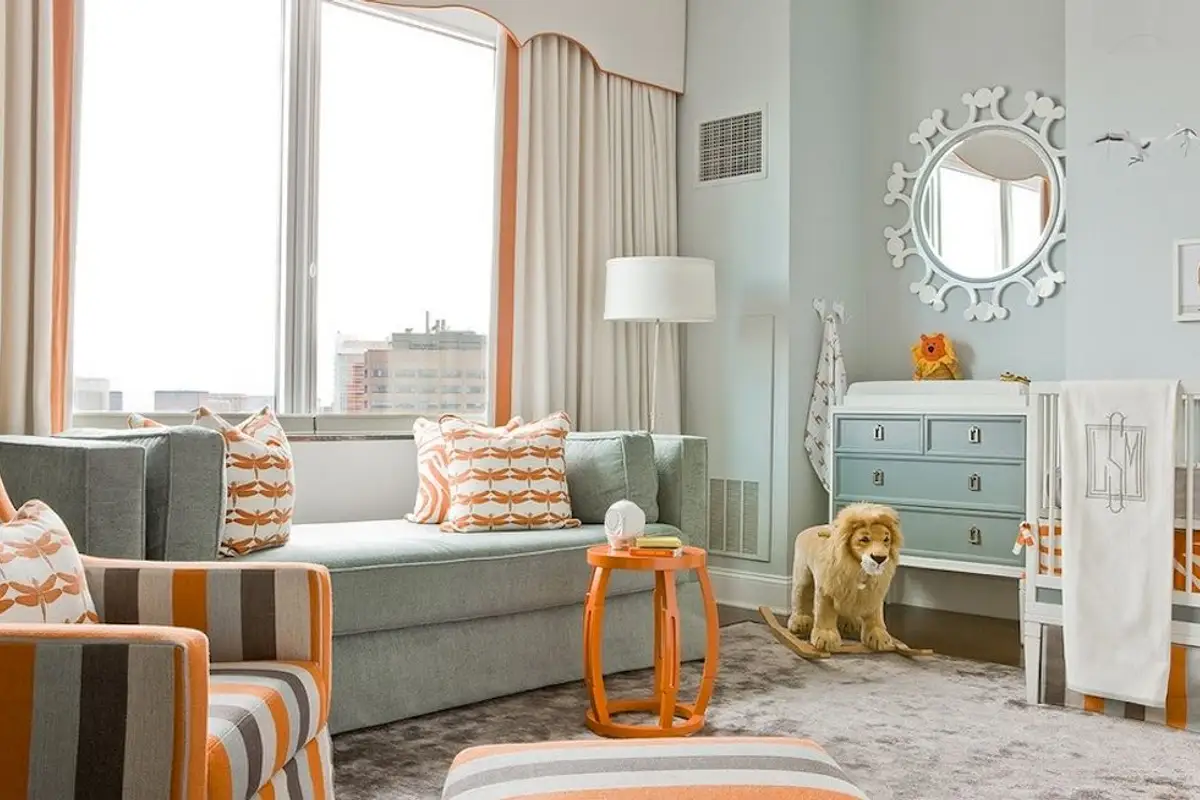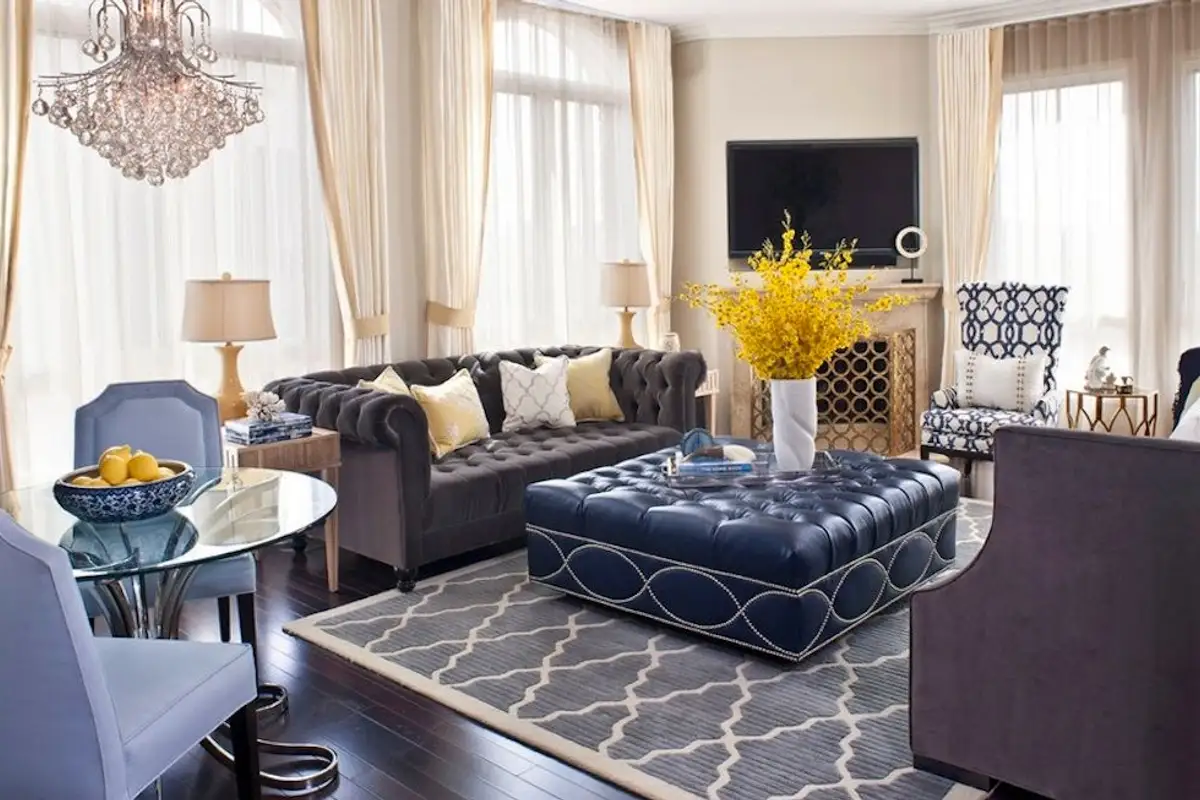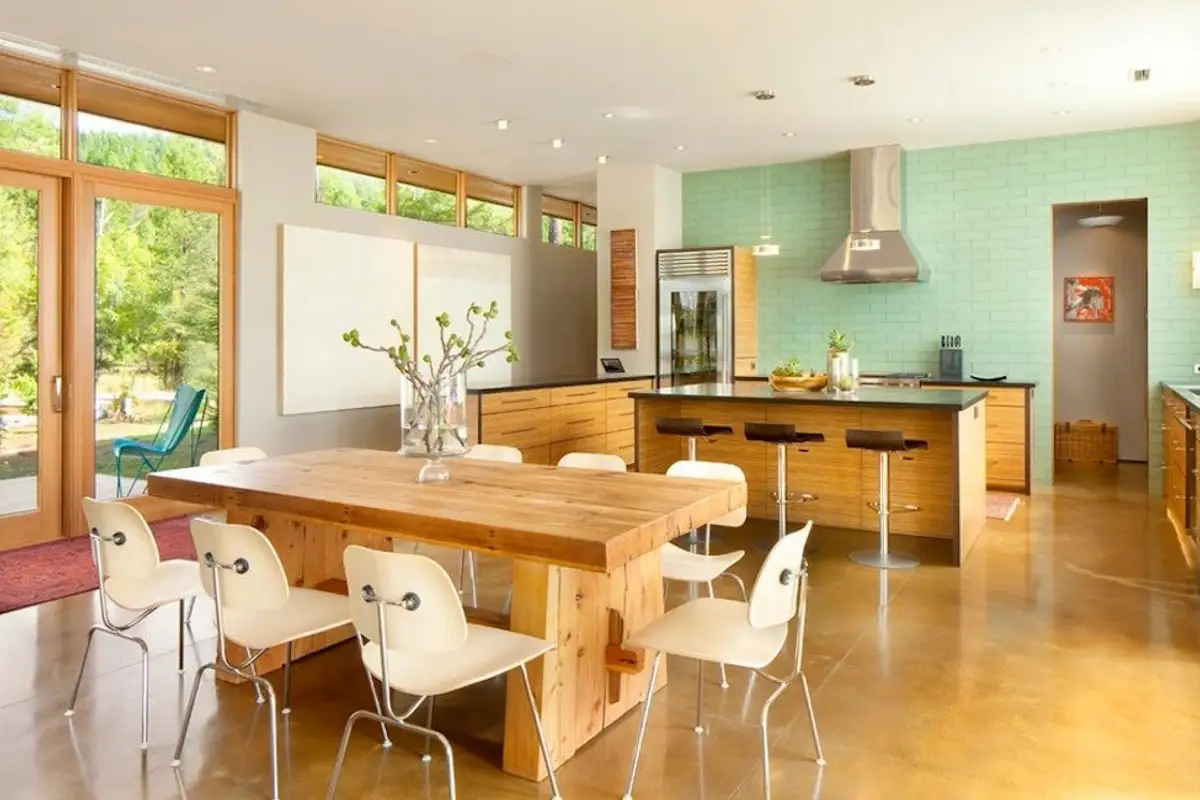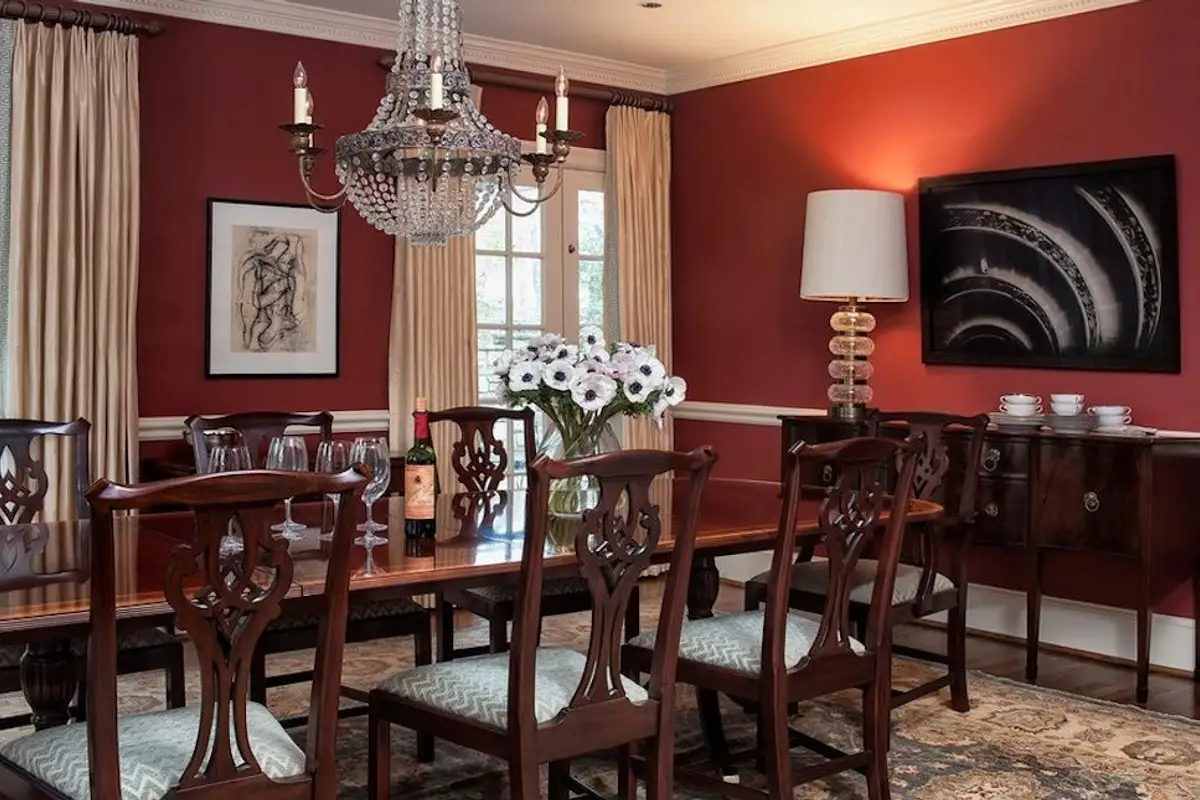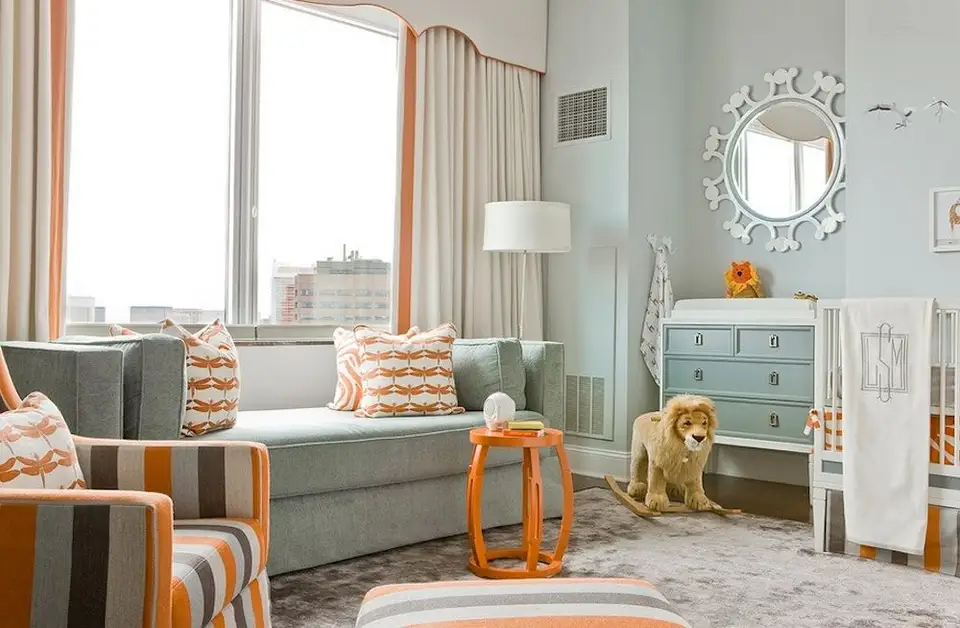
What is the first thing you notice when you enter a house for the first time? If colors are just as important to your first impression, then let's see together how colors influence our perception of decor.
Opening GaleriaDeciziile The decisions we make in terms of design and decoration reflect our personality to a great extent. The colors used in larger or smaller proportions are indicators of our preferences and reflect characteristics that we may not be aware of. Look around you and try to notice the colors that predominate.
These stand as testimony to our character traits. For example, red will tell you that you are a determined, decisive person oriented towards achieving goals; yellow indicates a cheerful, extroverted, communicative, and persuasive person; blue shows us an analytical and cautious nature, while green will indicate a caring person ready to help others.
Colors influence our mood. A decor in the right shades will be able to convey the desired state. A bedroom with calm beige or brown tones will induce the desired feeling for a restful sleep. Just as for the living room, vibrant shades will animate the moments spent with family or friends.
As a general rule, if you want a space full of energy, we recommend using warm colors such as red, yellow, or orange; if you want a relaxing decor, opt for blue, green, or light purple. However, regardless of the colors chosen, it is important to maintain balance. Using one color too often will create an undesirable effect.
Use neutral elements instead, such as white, brown, gray, or even black.
Colors can influence our perception. Thus, when decorating a small space, paint the walls in light, pastel colors. Even furniture can be chosen in similar or even identical tones to the wall shades. The elements will blend visually and you will achieve the effect of a more spacious and open decor.
If you are in the situation of a generous dwelling, then experiment with stronger colors for a bold decor. Strong colors attract attention, so you can use them on parallel walls to provide visual cohesion.