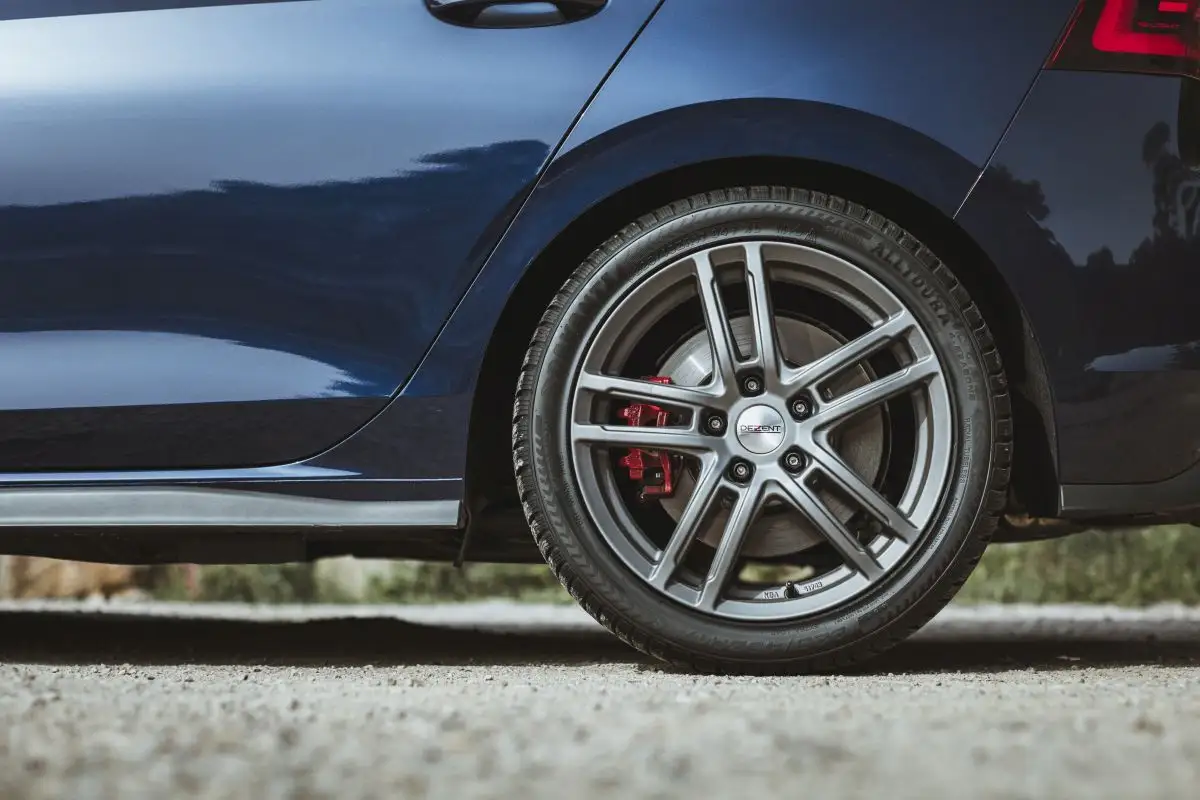
To choose the right winter tires for your car, it is important to consider several factors that can influence the performance and safety of your vehicle on snow- and ice-covered roads.
The right winter tires can make the difference between having a safe and comfortable experience during the cold season or exposing yourself to the risks associated with winter driving. Here are these factors and how to consider them:
First, you need to consider the type of car you drive and the recommended winter tire sizes for it. Each vehicle has specific tire sizes that are suitable, which you can find in the vehicle manual or on the tire manufacturer's website.
For example, if you have a small or compact car, you will need smaller winter tires that do not affect the car's maneuverability. If you have a large car or SUV, you will need larger winter tires that provide better stability and grip on snow- and ice-covered roads.
Winter tires are classified according to their performance in snow and ice conditions. There are snow tires and mixed or all-season tires, suitable for both various winter conditions and summer, although they will not perform optimally in either situation.
For example, if you live in an area with abundant and frequent snowfall, you will need snow tires that provide excellent traction on snow and prevent the car from skidding and locking up, with many grooves for evacuating snow from the tire profile.
If you live in an area with low temperatures and mixed precipitation, you will need tires with better grip on wet pavement with a tread pattern that allows for rapid water evacuation between the tread grooves, thus reducing braking distance.
If you live in an area with variable and unpredictable winter conditions, you will need mixed tires that adapt to different types of surfaces and provide balanced performance in winter conditions.

Another important feature to consider when choosing your winter tires is the EU tire label. This provides information about the tires' grip on wet pavement, fuel consumption, and noise they produce while rolling.
Choosing tires with better grip on wet pavement and lower rolling resistance can contribute to a safer and more economical driving experience. For example, if you choose tires with an A grip class, you will have a shorter braking distance on wet pavement than if you chose tires with an F grip class.
If you choose tires with an A rolling resistance class, you will have lower fuel consumption than if you chose tires with an F rolling resistance class. However, many specialists recommend paying more attention to the grip index and then to the fuel consumption index, and finally to the noise index.