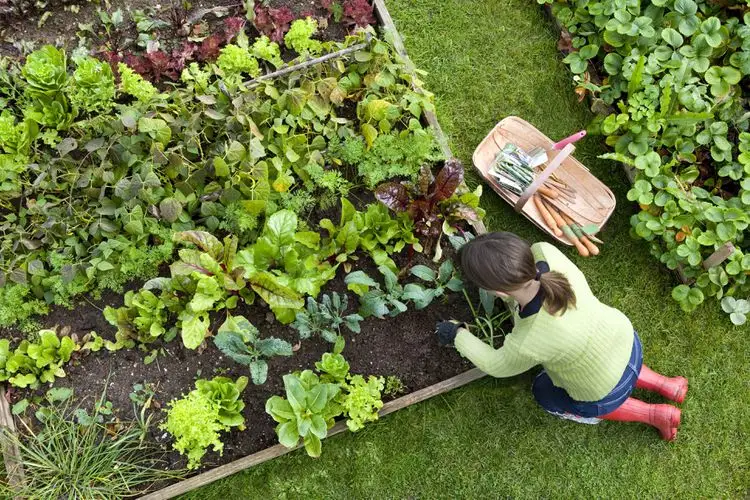
Vegetables and flowers grow much better when they have quality soil and don't have to "fight" for nutrients. Plus, they are much easier to maintain: your back will thank you, and weeding becomes a trivial task.
Here's everything you need to know to start your own raised garden.
1. Choose the right location
For most vegetables (tomatoes, peppers, cucumbers), you need full sun, which means 6-8 hours of direct sunlight per day.
- Tip: Observe your yard throughout the day. If you only have 4 hours of sun, you can limit yourself to greens (lettuce, spinach) and herbs that tolerate shade (parsley, mint).
- Orientation: A rectangular bed oriented on an East-West axis will benefit from maximum light. Avoid building them on the north side of buildings or large trees.
- Accessibility: Put your garden somewhere you can easily reach with a hose, where you can easily lift the sprinkler. If it's too far from the water source, you'll tend to neglect it.
2. Plan the dimensions
- Width: Do not exceed 1 - 1.2 meters. You should be able to reach the middle of the layer from both sides without stepping on the soil (compacting the soil destroys its structure).
- Length: The limit is only your yard. You can make beds 2 meters long or a row as long as the entire fence.
- Depth: For lettuce, 20 cm is enough. However, for tomatoes or root vegetables (carrots, parsnips), you need 30-45 cm. If you want to avoid bending over altogether, you can raise them to 60-80 cm.
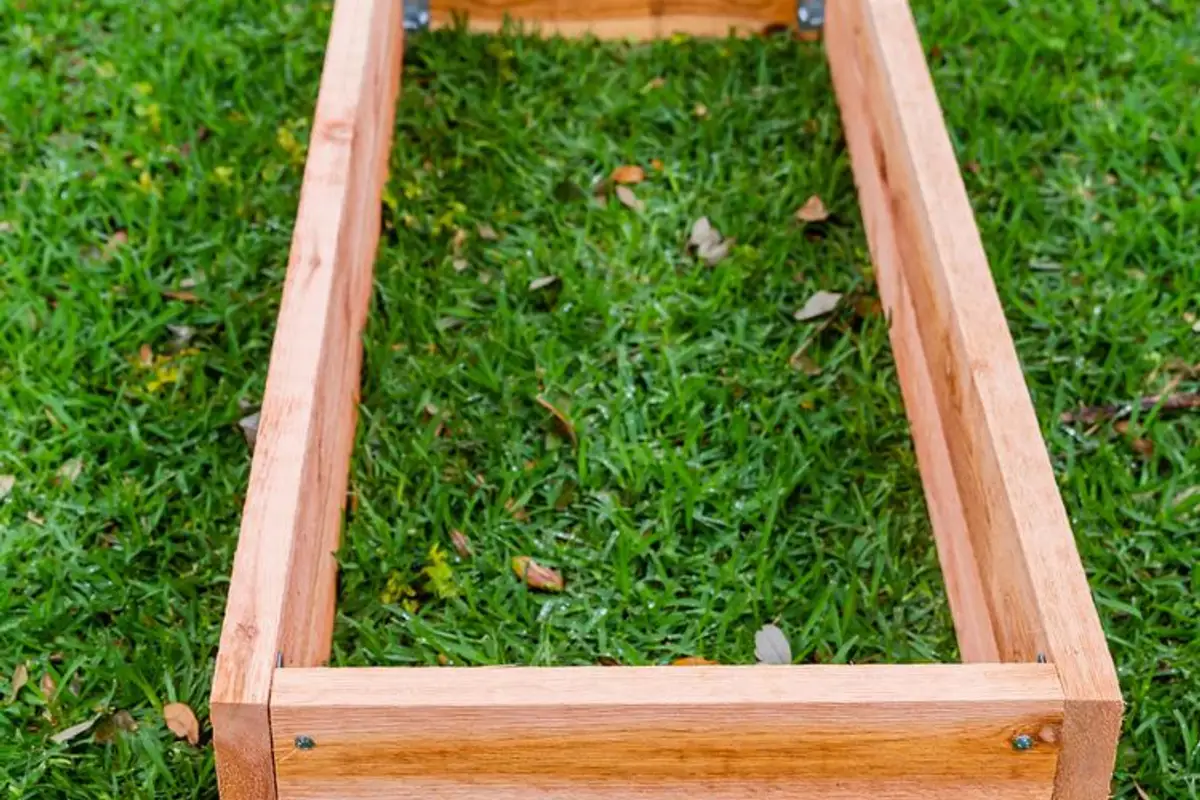
3. Building the structure
The most popular and accessible materials are:
- Wood: Coniferous cabinets (pine/fir) are the cheapest, but they rot in 3-5 years.Oak or locust are much more durable, but more expensive.
- Attention: Do not use railroad ties (they are treated with toxic substances) or chemically pressure-treated wood for vegetable beds.
- Brick or concrete blocks: These are lifelong solutions. Concrete blocks can be left as they are or plastered for a modern look.