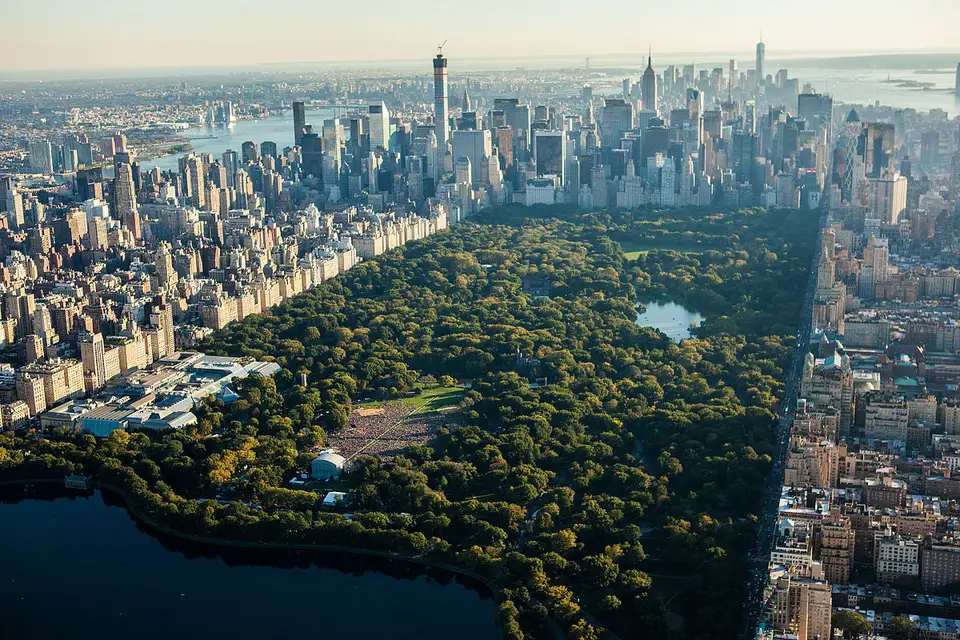
An iconic park is more than just a green space; it's an emblem of a city, a tourist destination, and a gathering place for the community. The design of an iconic park is the result of a complex combination of factors, including history, culture, geography, and the vision of landscape architects.
Image source: Wikipedia.org Why are iconic parks important?
Urban identity: They contribute to defining the identity of a city and creating a sense of belonging.
Quality of life: They provide spaces for recreation, relaxation, and outdoor activities, thereby improving the quality of life for citizens.
Sustainability: Many iconic parks serve as models for sustainable development projects, integrating natural elements and ecological solutions.
Tourism: They attract a large number of tourists, contributing to the economic development of cities.
Examples of iconic parks and the elements that make them special:
Central Park, New York: A classic example of a park with a variety of landscapes, from forests and lakes to formal gardens and sports areas. Its design was influenced by the Romantic movement and has inspired numerous parks around the world.
Hyde Park, London: The largest park in central London, with a rich history and a relaxed atmosphere. It is known for public events, concerts, and demonstrations.
Parc Güell, Barcelona: A masterpiece of modernist architecture, created by Antoni Gaudí. The park is renowned for its organic forms, colorful mosaics, and panoramic views of the city.
Keukenhof, Netherlands: Known as the Garden of Europe, Keukenhof is a spectacular floral exhibition that takes place every spring.
High Line, New York: A park built on a former railway line, which revitalized an industrial area of the city.
Ueno Park, Tokyo: A multifunctional park that houses museums, temples, zoos, and recreation areas.