The presence of the animal companion in the domestic space of modern man, urban by excellence, continues to raise questions that go beyond the strictly pragmatic sphere of coexistence.
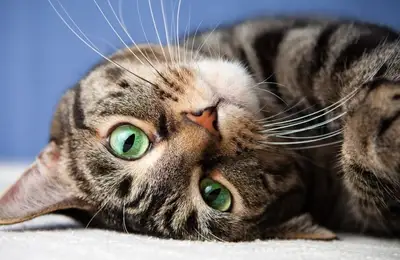
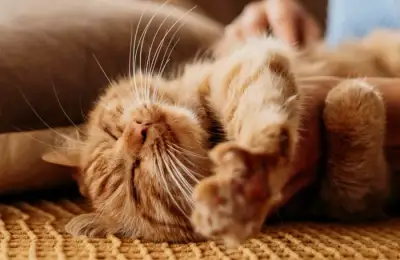
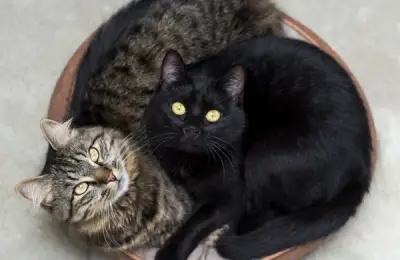
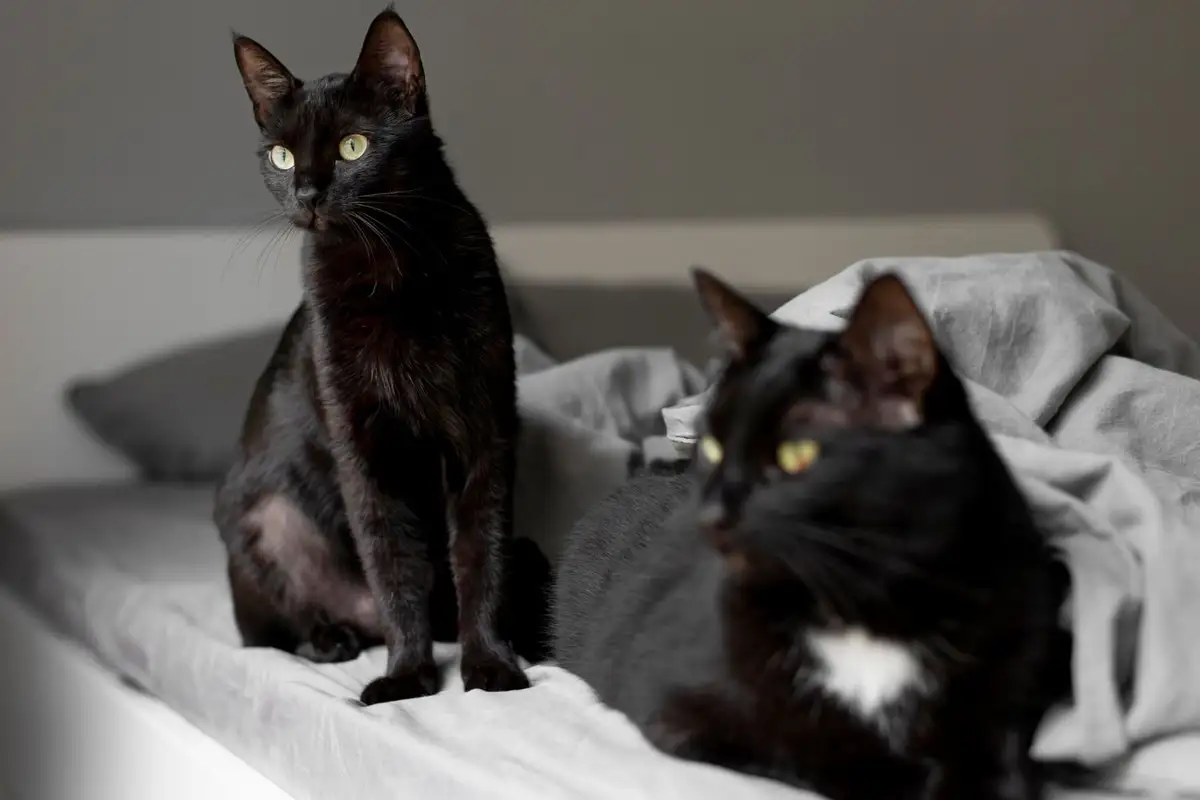
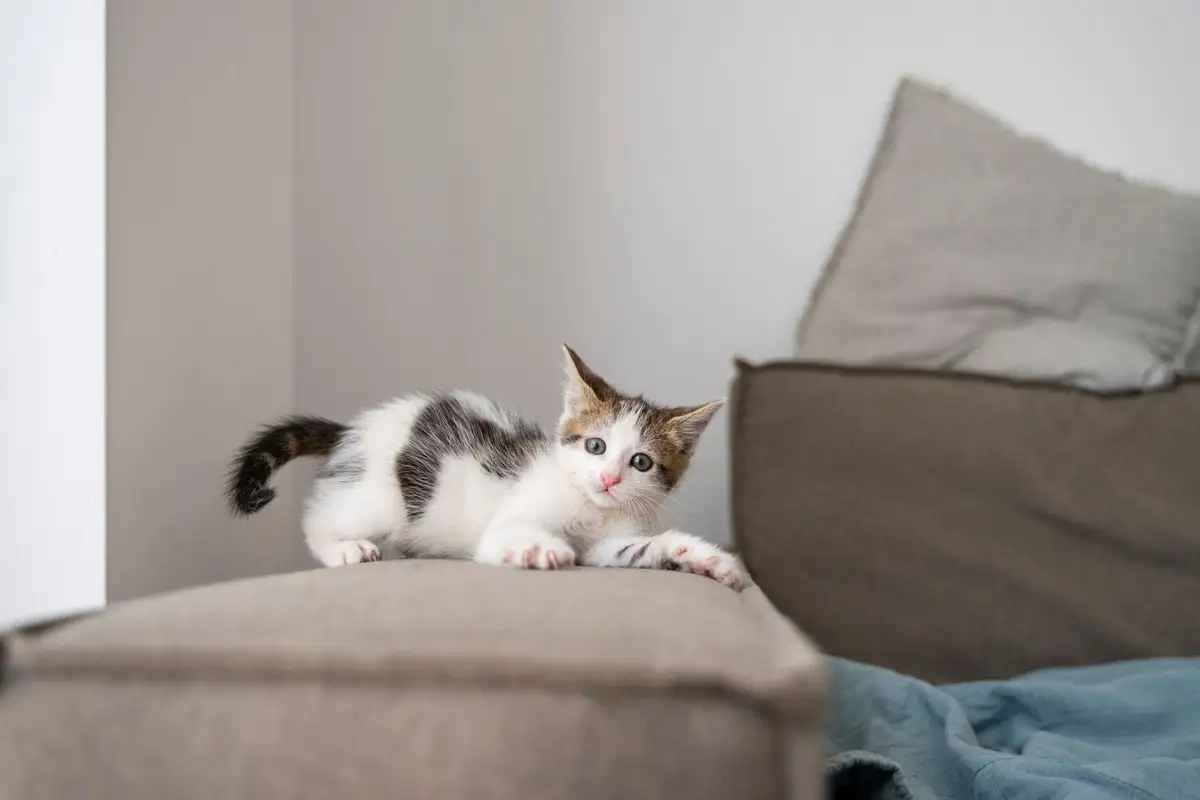
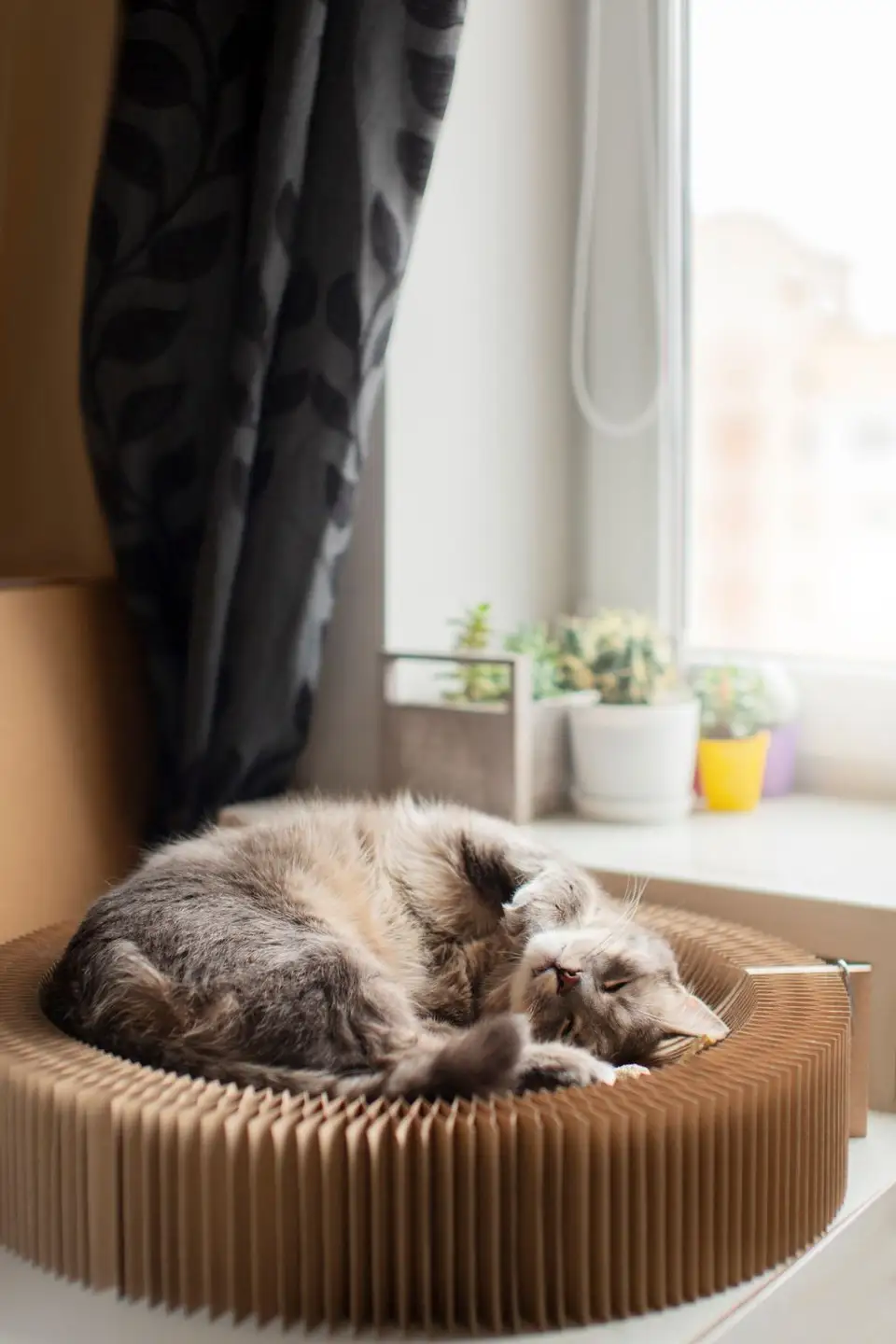
The apartment feline, this familiar stranger who twists its elegance among our furniture and gazes, often involuntarily becomes a screen onto which we project anxieties, idealizations and, not least, a considerable sum of myths.
These simplifying narratives, floating in the collective consciousness like comfortable shadows, often obstruct the deep understanding of the real needs of these dear beings and the responsibility we assume with the decision to integrate them into our limited universe of walls.
One of the most widespread myths about apartment cats is that of repressed freedom, an existence pale, devoid of adventure and the unpredictability of the outside world. The idea insinuates itself of a gilded captivity, where safety and comfort would be paid for at the price of a life lived only halfway.
But what does freedom mean, in essence, for this feline soul whose domestication stretches over millennia, a life partner who has evolved into a complex proximity with man? Is unrestrained roaming, with all its intrinsic dangers - from ruthless traffic to confrontations with other creatures or contracting diseases - the only paradigm of a fulfilling feline existence? Or, on the contrary, can we rethink the concept of territory and stimulation within the limits of an indoor space, transforming it into a universe rich in challenges adapted to its instincts? A cat's life in an apartment is not, a priori, a diminished life, but one that requires a different architecture of well-being, a nuanced understanding of what exploration, hunting and safety mean for him/her.
Another spectrum haunting the collective imagination is that of boredom and inevitable sedentary lifestyle. It is assumed that, deprived of external stimulus, our indoor companion slips into chronic lethargy, transforming into an apathetic presence with excess weight threatening its health.
This vision ignores, however, the extraordinary plasticity of the feline psyche and, above all, the fundamental role of man in orchestrating a stimulating environment. The absence of the yard does not equate to the absence of challenge.
Interactive toys, vertical structures that allow climbing and observation from height, play sessions that mimic hunting sequences - all these are tools through which we can effectively combat inertia and ensure authentic feline well-being.
Our responsibility does not stop at providing shelter and food, but extends to building a dynamic indoor landscape capable of satisfying the curiosity and innate agility of these small predators.