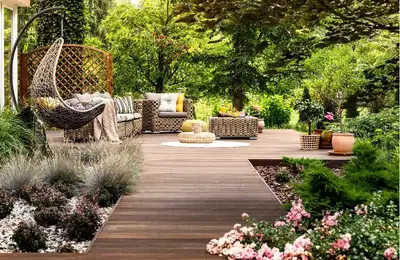
In crowded cities and homes with limited space, vertical gardens are becoming an increasingly useful and efficient choice to bring nature closer to us and transform empty or boring spaces into true oases of greenery.
We can also enjoy growing aromatic plants such as basil, fresh mint, oregano, or rosemary. Ideal for home-cooked meals and tasty cocktails, aromatic plants are welcome in any home.
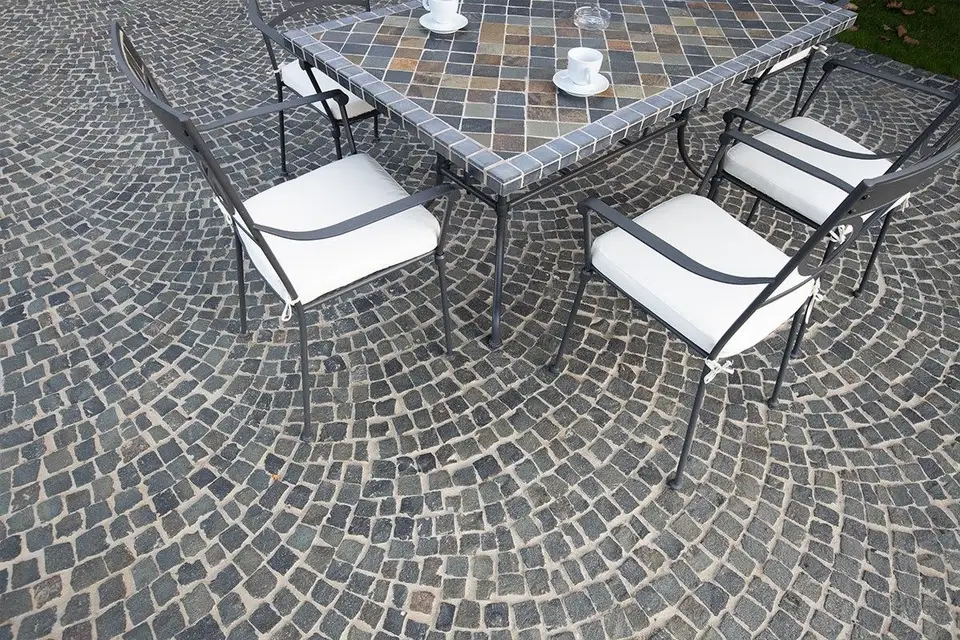
A living green wall adds not only beauty and freshness but also health and environmental benefits. Combined with a walkway from piatră cubică or other elements of natural stone, the vertical garden will create a perfect balance in your urban courtyard.
With a little creativity and work, you can create a DIY vertical garden that is both impressive and easy to maintain.
Choose the right location
The first step to creating a successful vertical garden is to choose the right location. Identify a free wall or a vertical area, either indoors on an empty wall or outdoors on a balcony or terrace.
Make sure the chosen spot receives enough light as most plants need light to grow healthy.
Select the appropriate materials
The next step is to select the right materials for building the vertical garden.
You can choose from a variety of supports, such as wooden panels, pallets, plastic pipes, nets, or metal grids. Make sure the chosen support is strong and stable enough to support the weight of the plants and the substrate.
Choose the right plants
An essential aspect of a successful DIY vertical garden is choosing the right plants. Opt for plants that tolerate the light and humidity conditions of the chosen location.
Succulents, herbs, African violets, philodendrons, or tropical plants are just a few excellent options for a vertical garden.
Prepare the substrate and drainage
Make sure the chosen support has an adequate drainage system to allow excess water to drain.